Jardim Júlio de Castilho-Miradouro de Santa Luzia, Garden in Alfama neighborhood, Lisbon, Portugal
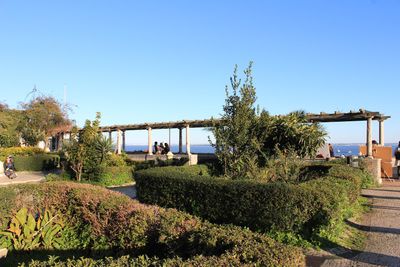
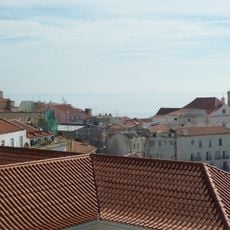
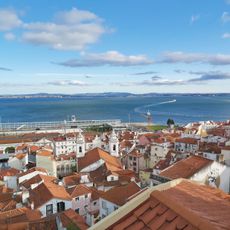
The Jardim Júlio de Castilho, also known as the Miradouro de Santa Luzia, is a small garden on a hillside in the Alfama neighborhood of Lisbon, Portugal, overlooking the Tagus River. It is laid out on two levels: an upper terrace with stone paths, a pergola, and a bust, and a lower section with a rectangular pool surrounded by traditional Portuguese paving.
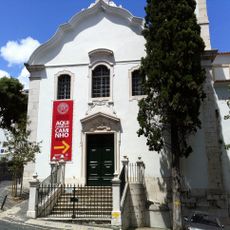
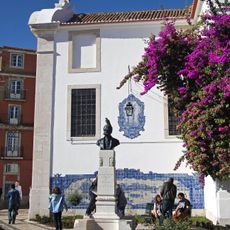
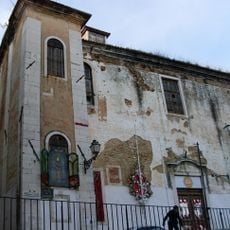
The garden was established on the grounds of a former cloister belonging to the Igreja de Santa Luzia, in one of the oldest parts of Lisbon. A bust honoring the city historian Júlio de Castilho was placed there in 1929, giving the garden its official name.
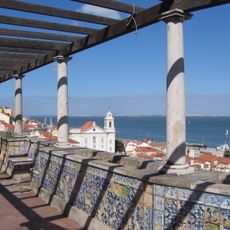
The walls around the viewpoint are covered with blue-and-white tile panels showing scenes from Lisbon's past, a decorative tradition deeply rooted in Portuguese craftsmanship. Visitors often stop to look at them closely before turning to face the river.
The garden sits in the heart of Alfama and is easy to reach on foot through the surrounding narrow streets. Visiting early in the morning or in the late afternoon means fewer people around, and the light on the river is at its best.
Although the spot is widely called the Miradouro de Santa Luzia, its official name honors a man who spent his life writing about Lisbon's history, Júlio de Castilho. The bust in the garden was made by the sculptor Costa Mota, making it a small outdoor monument that most visitors walk past without noticing.
The community of curious travelers
AroundUs brings together thousands of curated places, local tips, and hidden gems, enriched daily by 60,000 contributors worldwide.