, Sculptural form in art history
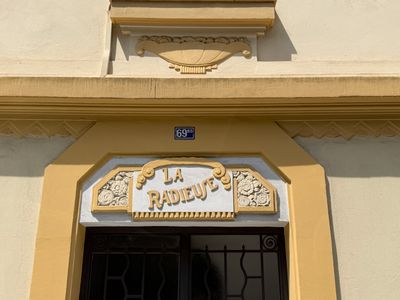
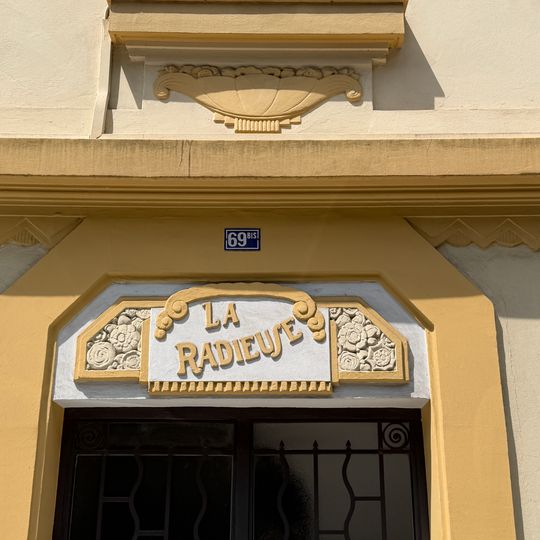
A bas relief is a type of sculpture in which figures or scenes are carved so they stand out slightly from a flat background. The surrounding material is carved away, leaving the images raised and visible through the play of light and shadow across the surface.
Bas relief is one of the oldest known forms of art, with early examples carved into rocks long before written history. Cultures across Egypt, Greece, Rome, and India later adopted the technique to decorate temples and monuments, each developing a recognizable style of their own.
Bas reliefs appear on temples, palaces, and public buildings across many cultures, showing gods, rulers, or memorable events. Looking at these carvings closely, you can read a story through shape and shadow alone, without any written word.
Bas reliefs are best viewed from a short distance, close enough to follow the contours and depth of the carving. Natural or angled light falling across the surface makes the shapes stand out much more clearly than direct frontal light.
Although bas reliefs appear shallow, skilled sculptors can create a strong illusion of depth using a technique sometimes called schiacciato, an Italian word meaning flattened. Donatello refined this approach during the Renaissance, achieving a convincing sense of space with just a few millimeters of actual carving depth.
The community of curious travelers
AroundUs brings together thousands of curated places, local tips, and hidden gems, enriched daily by 60,000 contributors worldwide.