Musée de Terra Amata, Prehistoric archaeology museum in Nice, France
The Musée de Terra Amata is an archaeological museum in Nice that displays stone tools, animal bones, and reconstructions of prehistoric shelters. The collection documents human habitation at this site roughly 400,000 years ago through artifacts from multiple occupation phases.
The site became known worldwide when archaeologists discovered evidence of the earliest known human use of fire during their work here. This discovery fundamentally changed understanding of how people adapted to their environment in early times.
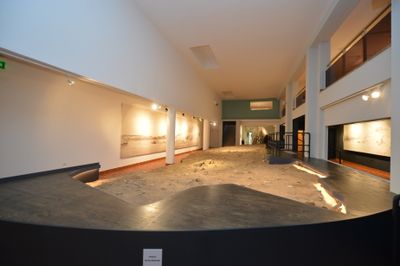
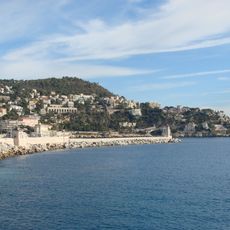
The name Terra Amata means "Beloved Land" in Italian, a name given to this slope of Mount Boron above the port of Nice. Inside, a sand floor with loose stones and a label reading "Terrasse des Paillonnets" recall the fossil beach where the huts stood. De Lumley held that 20 to 40 people gathered in each skin-covered shelter, with a hearth at its centre.
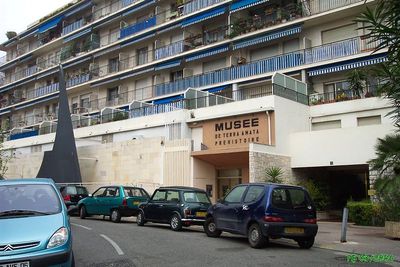
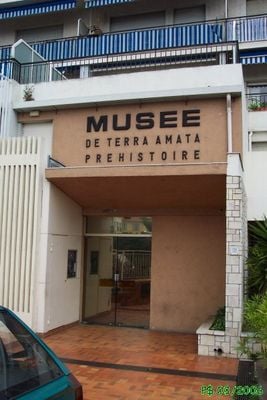
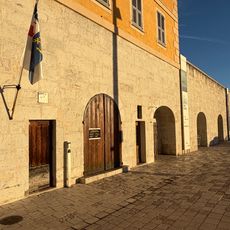
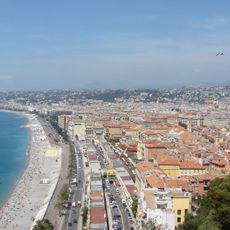
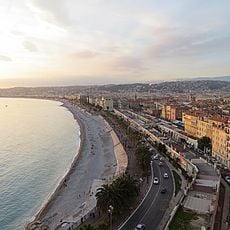
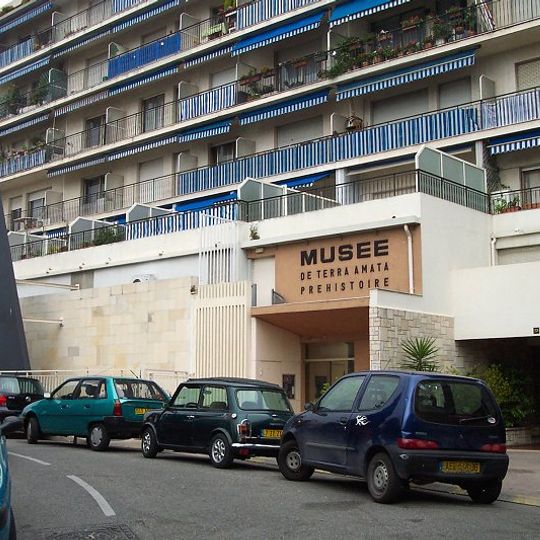
The museum stands on the western slopes of Mount Boron at 25 boulevard Carnot, about 26 metres above sea level and set back from the shore, not on the waterfront. The entrance, marked by a beige panel reading "MUSEE DE TERRA AMATA PREHISTOIRE", opens beneath the balconies of the apartment block built over the site. Inside, a sand-covered hall leads past a label reading "TERRASSE DES PAILLONNETS".
The museum sits directly above the original archaeological layers where artifacts were found, making it built on the actual occupation site. This means visitors stand where ancient people once camped and worked.
The community of curious travelers
AroundUs brings together thousands of curated places, local tips, and hidden gems, enriched daily by 92,787 contributors worldwide.