See the monuments around you in AROpen chests in the app
Around Us is built for your phone — point your camera at the streets and discover the monuments and places around you in augmented reality.Around Us is built for your phone — chests unlock when you walk, explore and capture nearby places.
Nice combines museums, parks and coastal areas in a city between hills and the Mediterranean. The Marc Chagall Museum holds the largest public collection of his works, while the Matisse Museum is devoted to the paintings and sculptures of an artist who spent many years here. Castle Hill offers views over the rooftops and the water, and the Promenade des Anglais follows the shoreline.
The Saint Nicholas Russian Orthodox Cathedral is the largest of its kind in Western Europe and stands in a quiet neighborhood north of the center. Parc du Mont Boron spreads across wooded slopes with trails for walking. Place Masséna marks the heart of the city with red facades and open squares. Port Lympia lies east of the old town and keeps the feel of a working harbor. These places show different sides of Nice, from art to nature to everyday life by the sea.
Nice combines museums, parks and coastal areas in a city between hills and the Mediterranean. The Marc Chagall Museum holds the largest public collection of his works, while the Matisse Museum is devoted to the paintings and sculptures of an artist who spent many years here. Castle Hill offers views over the rooftops and the water, and the Promenade des Anglais follows the shoreline.
The Saint Nicholas Russian Orthodox Cathedral is the largest of its kind in Western Europe and stands in a quiet neighborhood north of the center. Parc du Mont Boron spreads across wooded slopes with trails for walking. Place Masséna marks the heart of the city with red facades and open squares. Port Lympia lies east of the old town and keeps the feel of a working harbor. These places show different sides of Nice, from art to nature to everyday life by the sea.
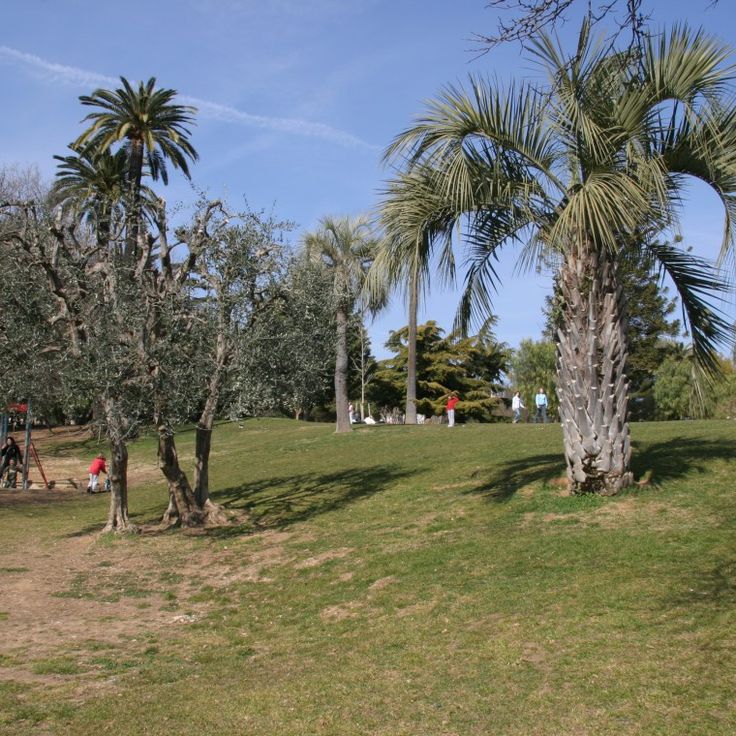
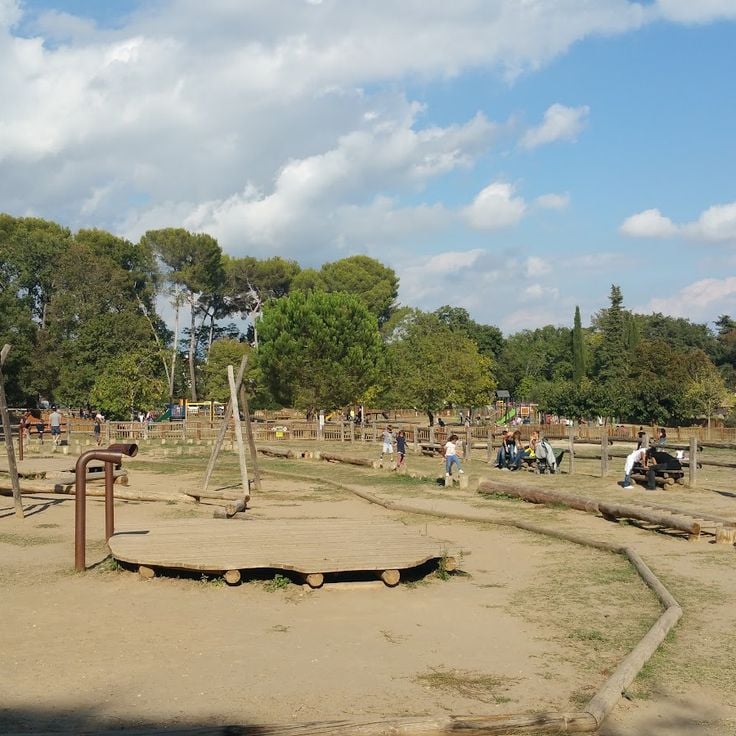
This forest park spreads across a hill on the eastern edge of Nice and offers walking paths through Mediterranean vegetation. The marked trails pass through pine woods and scrubland toward viewpoints with views of the coastline, the city and the sea. The park connects natural surroundings with urban edge and attracts walkers seeking shade and quiet. Historic military structures and remains of fortifications stand along some routes.
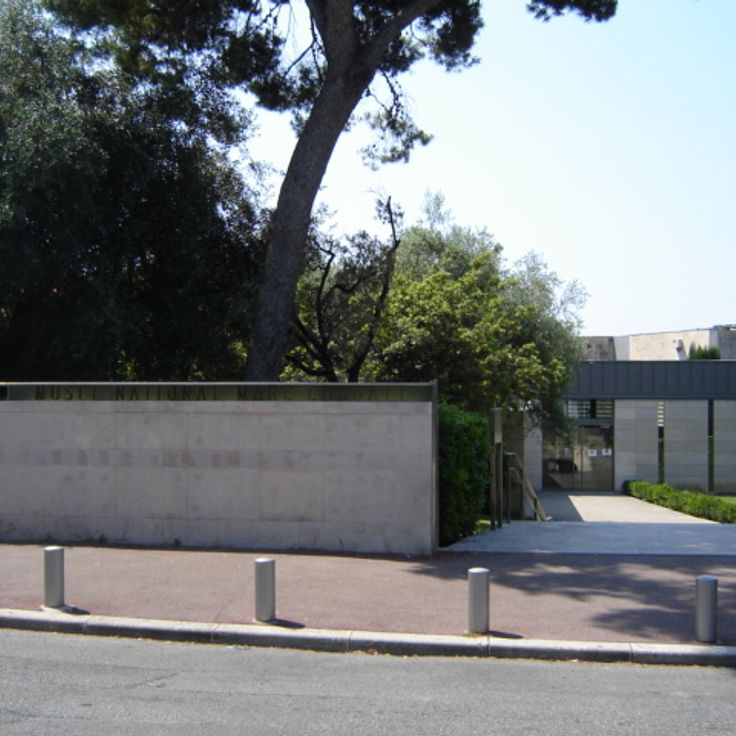
This museum holds the largest public collection of paintings, prints and religious works by Marc Chagall. The exhibition focuses on biblical themes and Hebrew texts that shaped his artistic vision. Galleries are arranged by thematic cycles, allowing visitors to walk through different creative periods. A concert hall with stained glass windows complements the collection. The building sits in a garden area with Mediterranean plantings and pathways that connect the interior spaces.
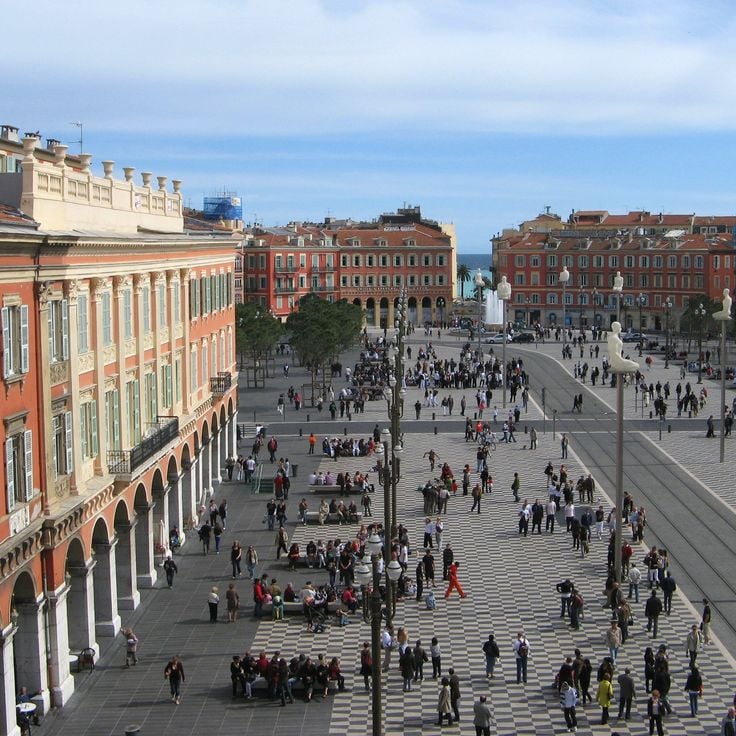
This central square in Nice connects the old town with the modern city center and is framed by red buildings in Italian style. The arcades provide shade while the square itself remains open and suitable for events. Black and white tiles form a checkerboard pattern on the ground. Seven statues on tall columns stand illuminated at night. The fountain and surrounding benches attract locals and visitors alike. Place Masséna serves as a meeting point and landmark in the city. From here you can reach the Promenade des Anglais and Cours Saleya on foot. The tram stops directly at the square.
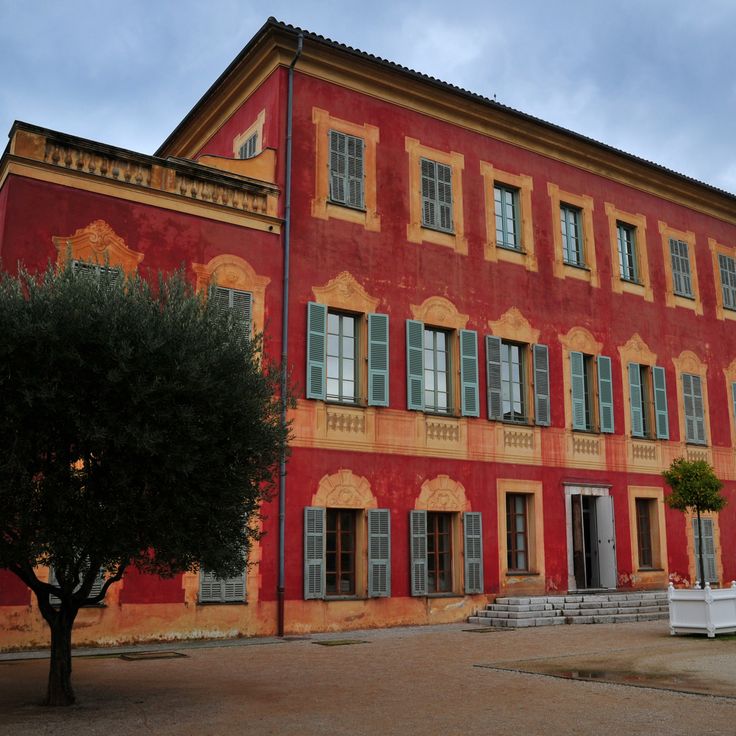
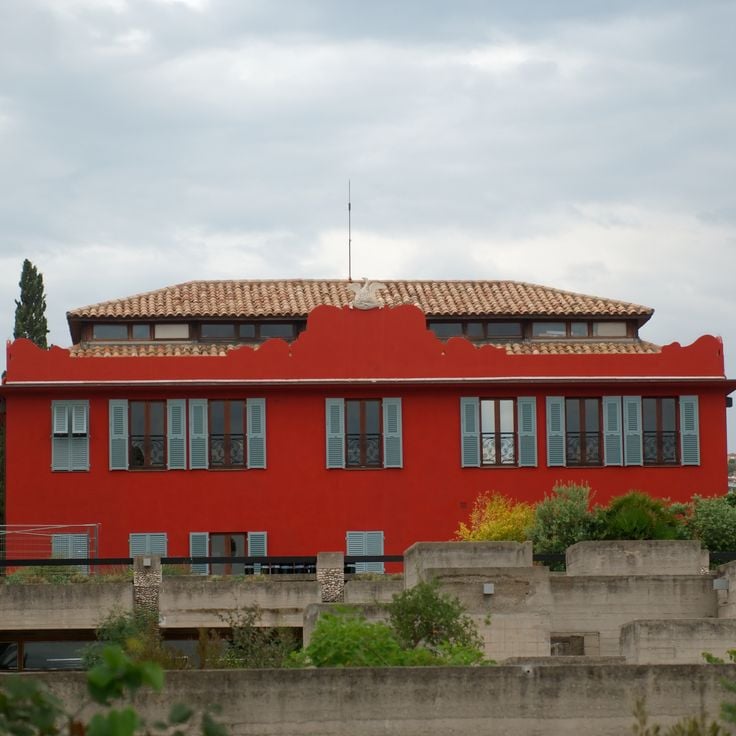
This museum occupies a red villa from the 17th century and displays paintings, drawings and personal objects by Henri Matisse. The collection covers different periods of the artist's work, including oil paintings, paper cutouts and sculptures. The rooms follow the evolution of his style, from early pieces to the late works. The building stands among olive trees in the Cimiez neighborhood, which also contains archaeological sites from Roman times.
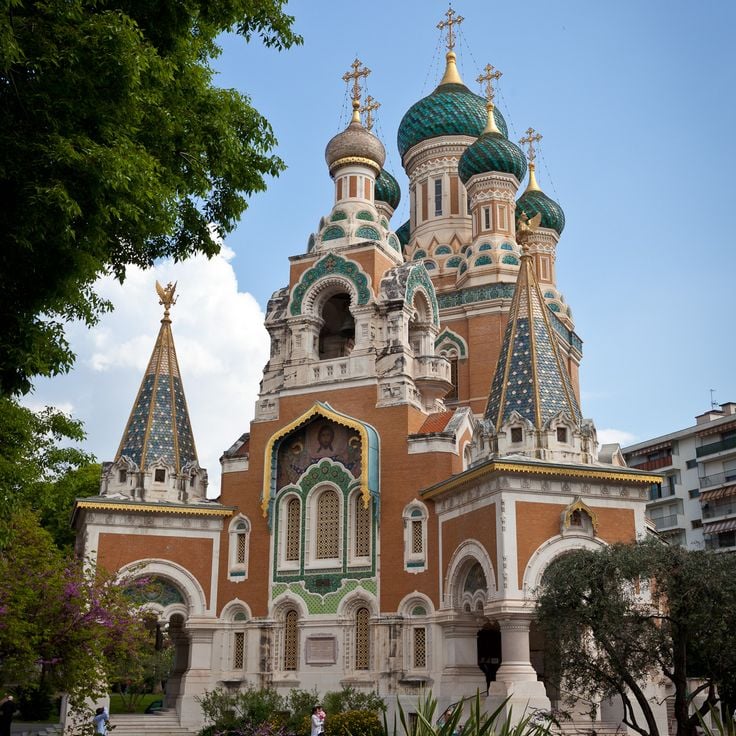
This cathedral was built in 1912 and is the largest orthodox church outside Russia. Six onion domes define its architecture. The building shows the typical Russian style with colored facades and golden cupolas. The interiors hold icons, frescoes and carved woodwork. The religious life of the Russian community in Nice has taken place here for over a century.
This hill rises above the old town and provides views of the Mediterranean and the bay. Remnants of a medieval fortress mark the site. Paths lead through a park with Mediterranean vegetation, waterfalls and viewpoints. The ascent can be made on foot or by elevator. Castle Hill combines history with natural surroundings and contributes to the skyline of Nice.
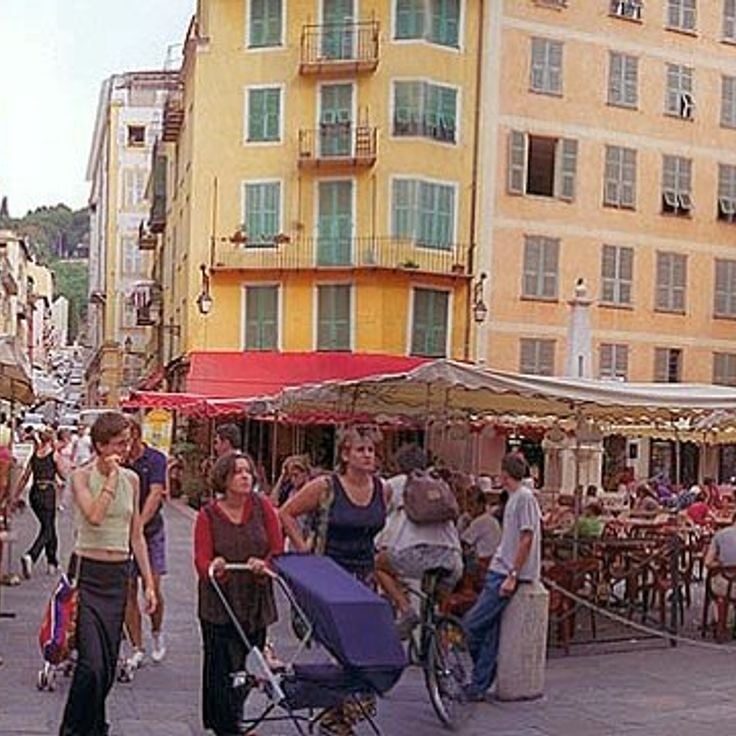
This square in the center of Nice sits in front of the 17th-century Sainte-Réparate Cathedral and serves as a gathering spot for residents and travelers. Restaurants with outdoor seating line Place Rossetti, and the terraces fill up especially in the evenings. The cathedral with its dome shapes the look of the square. People meet here to eat, have ice cream or simply rest between the narrow streets of the old town.
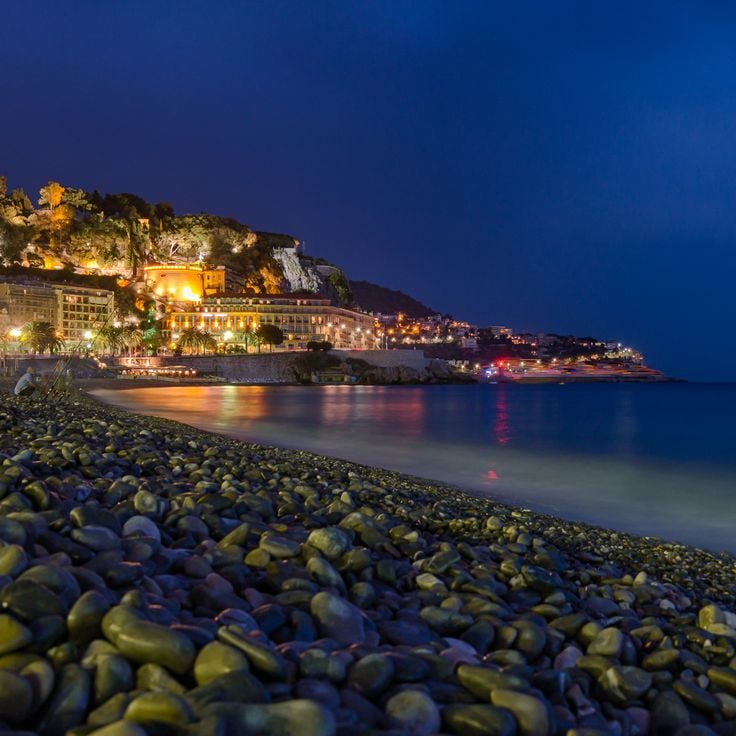
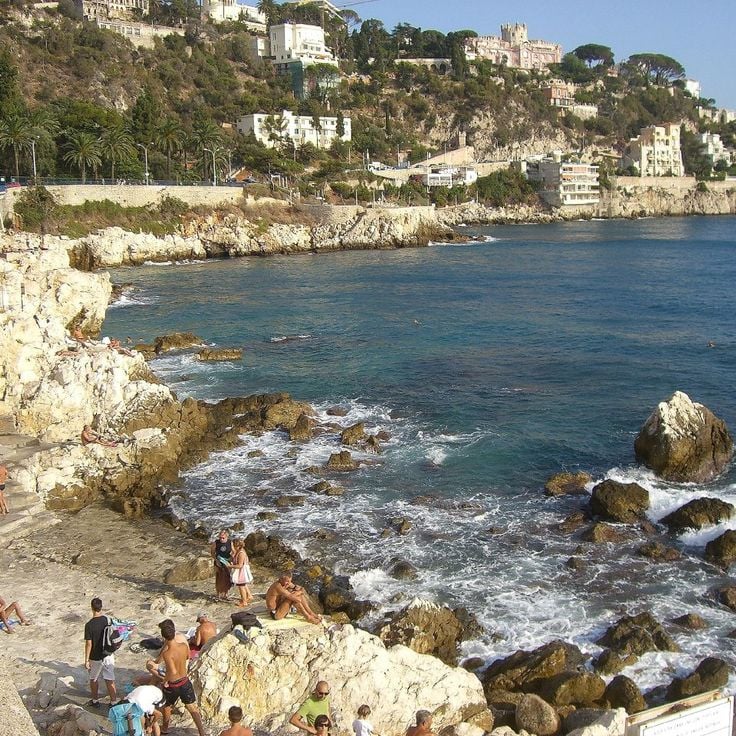
This pebble beach lies on a side street of the city and offers visitors a place to enjoy water and sun away from crowds. Coco Beach is among the smaller beaches in Nice and is particularly favored by locals seeking a quiet alternative to the busier sections of the Promenade des Anglais. The beach is surrounded by hills that provide some shade, and direct access to the sea is available. The atmosphere is relaxed, and a few beach bars nearby offer refreshments.
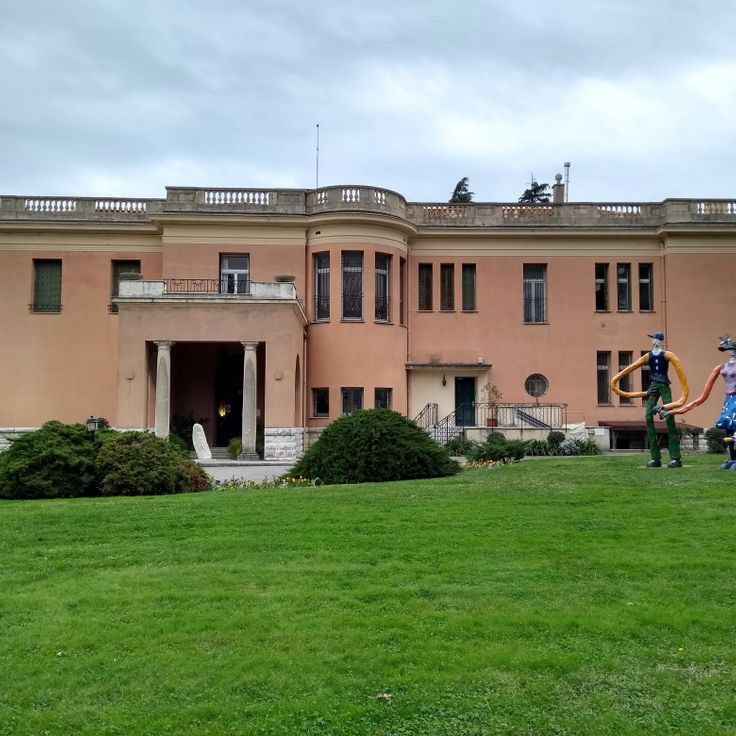
This museum preserves the collection of Anatole Jakovsky, an art critic who championed naive art. The exhibition includes paintings, drawings and sculptures from different periods and regions. The works come from European and international artists who operated outside academic traditions. The building sits in an old castle on the edge of the city. The rooms display pieces with vivid colors and simple forms depicting everyday scenes, landscapes and fantasies. The collection adds a specialized artistic perspective to the cultural landscape of Nice.
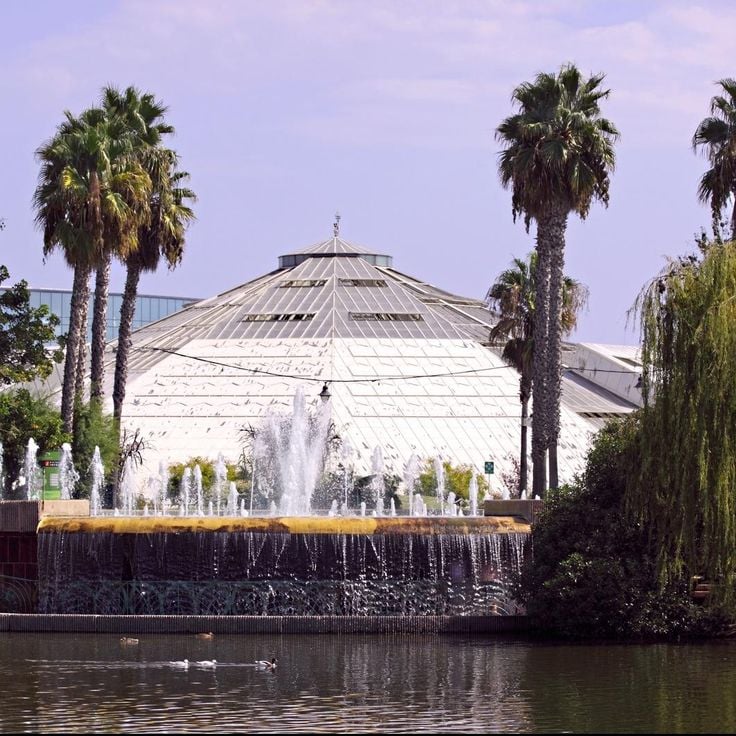
This park covers seven hectares and displays more than 2500 plant species. The tropical greenhouse rises 82 feet (25 meters). The grounds sit between the airport and Promenade des Anglais. Visitors walk through themed gardens observing native and exotic flora. The greenhouse shelters palms, orchids and tropical birds. Ponds and water features run through the landscape. Families use the playgrounds and open lawns. The entrance stands on Promenade des Anglais near the Arenas district.
This eighteenth century villa houses an art center with exhibition halls, artist studios and a garden filled with Mediterranean plants. Inside, contemporary exhibitions rotate, making Villa Arson a place where current art movements are displayed. The rooms spread across several floors, some bright and modern, others preserving the historic architecture. The garden invites you to stroll, with olive trees, cypresses and aromatic herbs typical of the region. You sense here the connection between the old structure and the living art scene that defines the center.
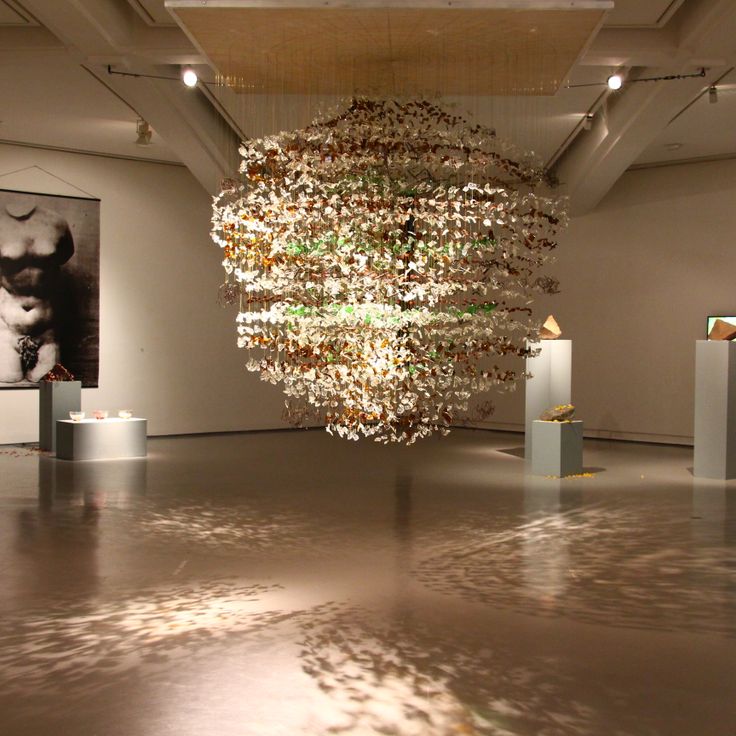
This museum occupies four floors showing works by international artists from the postwar period. The exhibitions focus on European and American pieces made after 1950. The building offers a survey of contemporary movements and their evolution. The museum is among the cultural venues that shape the artistic identity of Nice. The collection includes paintings, sculptures and installations spanning several decades. The architecture of the building fits into the urban landscape of the city.
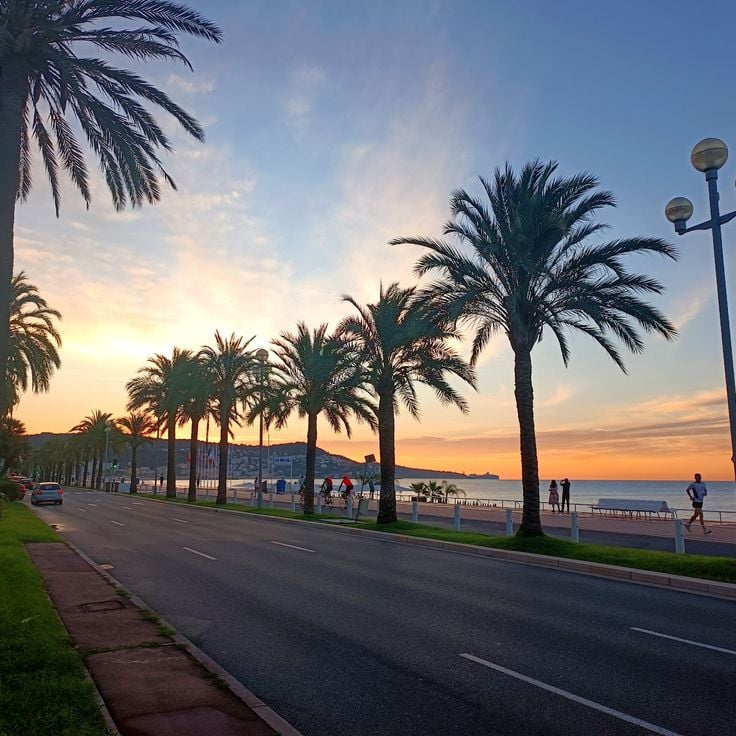
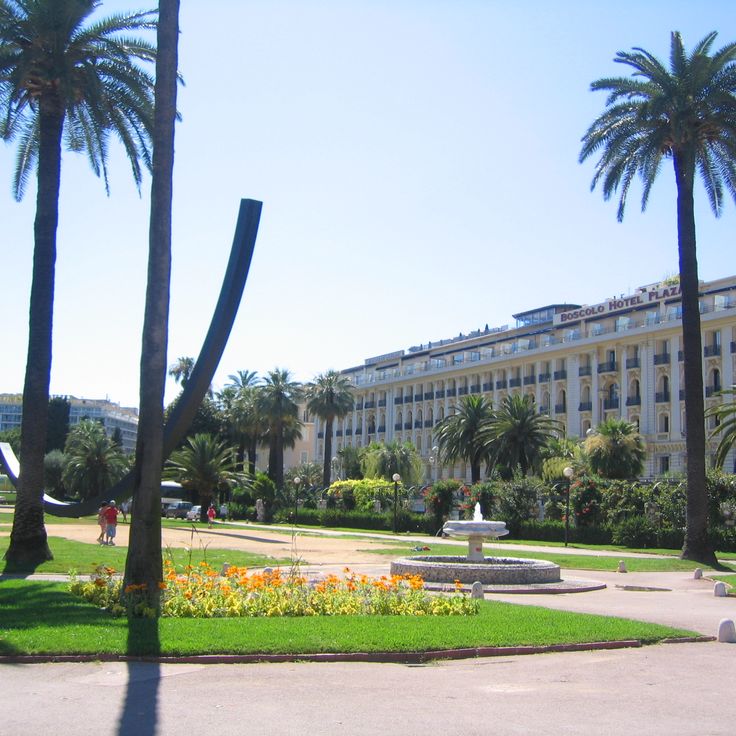
This waterfront promenade stretches seven kilometers along the Mediterranean, linking the center of Nice with the western neighborhoods. Palm trees line the path that runs between the beach and a row of Belle Époque buildings. Morning runners, walkers and cyclists use the broad space, which stays active from early morning to evening. The Promenade des Anglais passes the Negresco hotel and offers open views of the bay. Wooden walkways provide access to the pebble beach, while benches along the entire route invite people to sit and watch the sea.
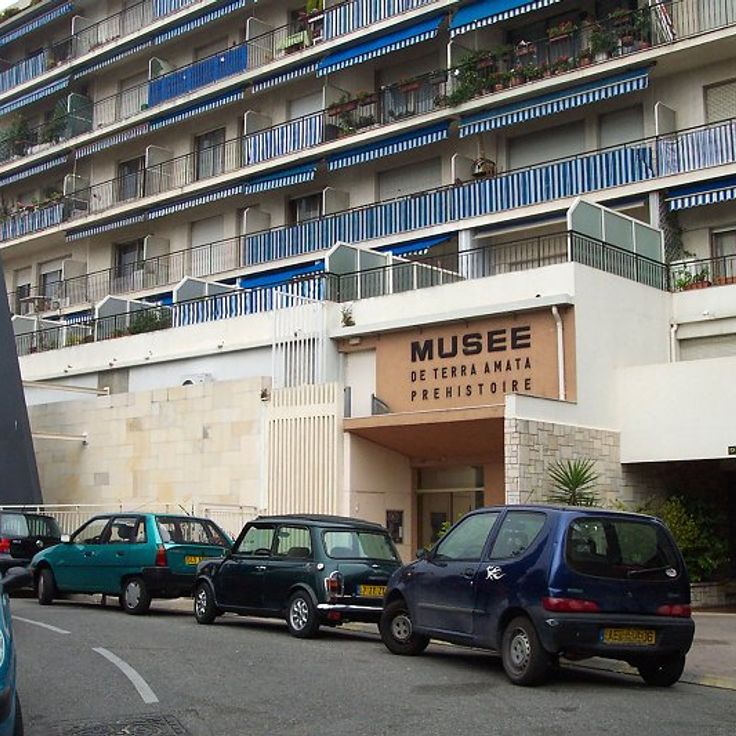
This museum preserves an archaeological site and displays tools, hunting equipment and traces of a human settlement from the Paleolithic period. The findings reach back 400,000 years. The Terra Amata Museum adds to the cultural venues of Nice with a focus on prehistoric life along the Mediterranean coast.
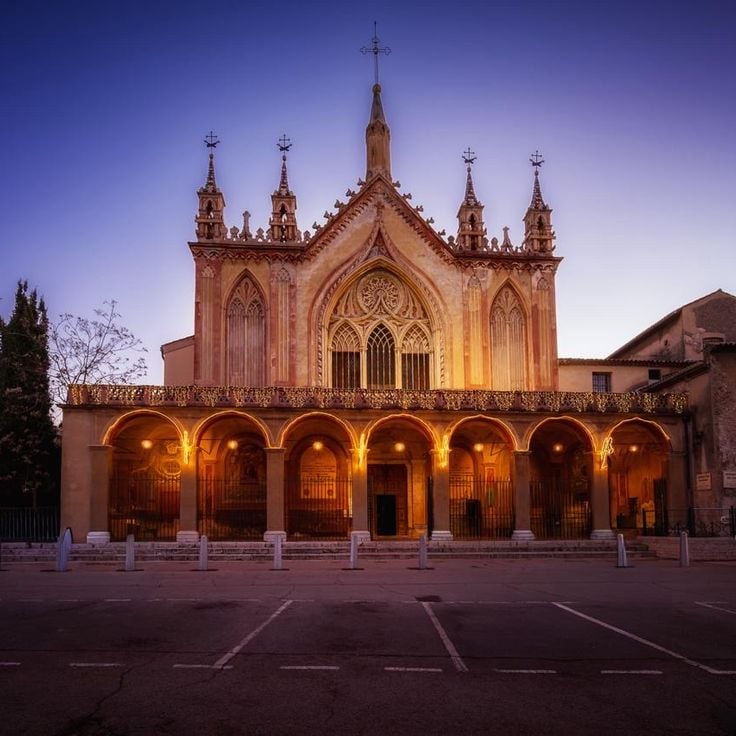
This Franciscan monastery was founded in the 9th century and stands on the Cimiez hill above Nice. The complex includes a church, a cemetery and a museum on Franciscan history. The cemetery is the final resting place of Henri Matisse and Raoul Dufy. The church displays three altarpieces by Louis Bréa from the 15th century. The gardens offer views over the city and the sea. The monastery is still inhabited by Franciscan monks today.
This public park sits on the Cimiez hill and offers views over the bay and the city. The paths wind through terraces planted with olive trees, palms and pines. Benches are placed at several viewpoints. The grounds connect green spaces with archaeological remains from the Roman period. Visitors come here to walk and enjoy the views. The vegetation reflects the Mediterranean climate of the area.
This 16th century church combines Gothic and Baroque architectural elements. The interior holds frescoes and marble altars. The building stands in a neighborhood where religious tradition blends with the daily life of residents. The facade shows the transitions between different stylistic periods.
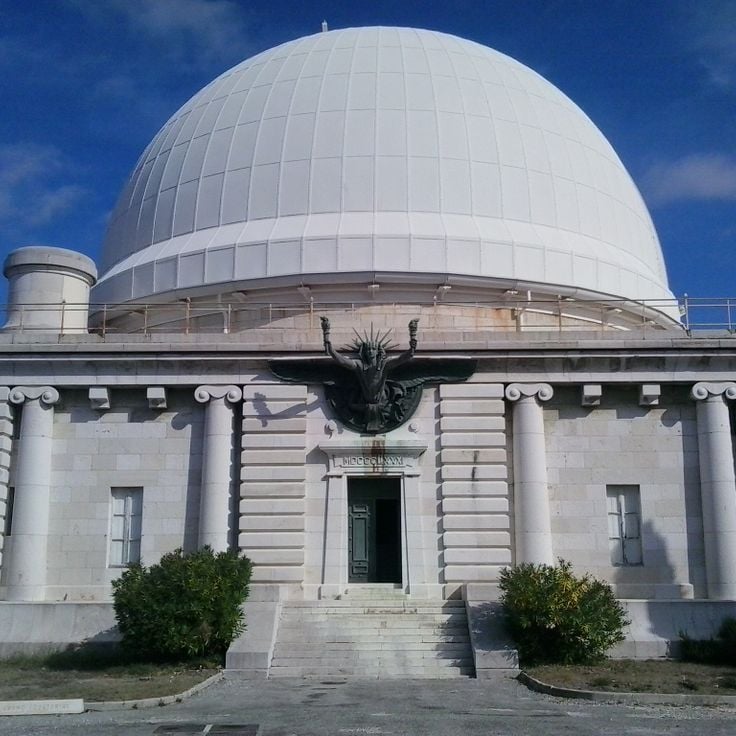
The Nice Observatory was founded in 1881 and stands in this city on the French Riviera. This facility serves astronomical research and holds a library of scientific and astronomical works. Visitors can see the domes and learn how researchers have observed the sky for over a century. The location on a hill provides clear views upward and enables precise measurements.
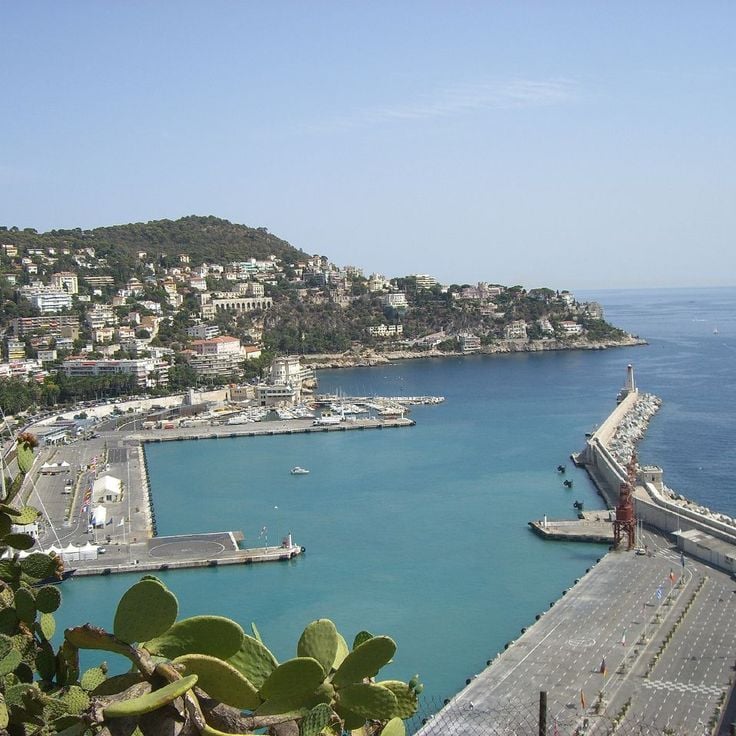
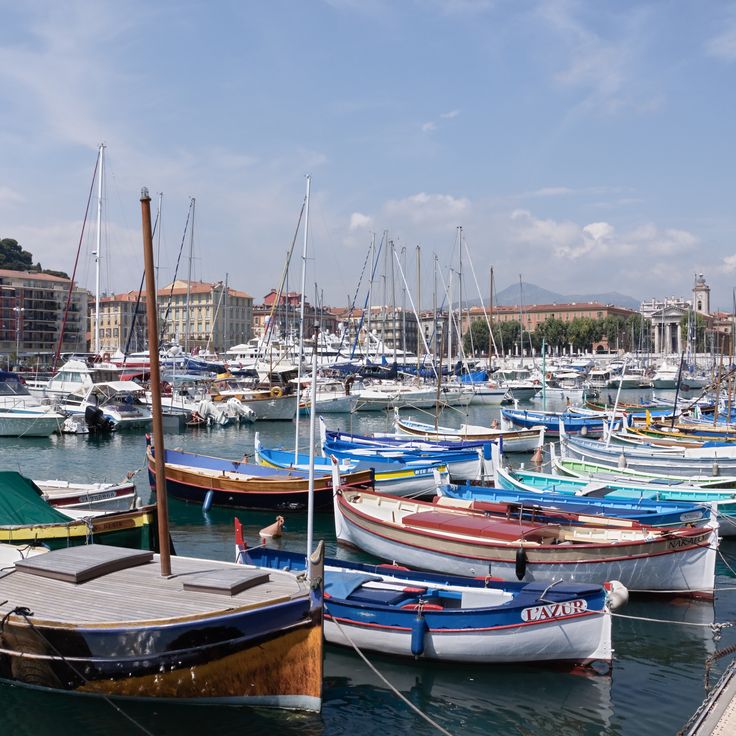
This 18th-century harbor lies east of the old town and connects Nice to Corsica and the French coast. Frigates and merchant vessels once used it for trade with Genoa and Piedmont. Today sailboats and motor yachts moor at its quays. Red facades line the basin and reflect in the water. Fishermen sell their catch in the morning. Restaurants open onto the quay. Ferries depart and return throughout the day.
This park provides paths for walking and birdwatching around a lake where waterfowl gather among pines and cork oaks. Mediterranean vegetation thrives near shallow shores where migratory birds rest in spring and autumn. Vaugrenier Departmental Nature Park forms a natural pause between the coast and the inland hills, suitable for families who prefer quiet afternoons outdoors.
This electric tram connects various districts in Nice across three lines. The network extends from the city center to outlying areas, providing direct access between residential neighborhoods, business districts and major public facilities. The tram runs regularly through main streets and broader boulevards, with stops spaced at short intervals along the route. The vehicles are modern and quiet, with low floors for easy boarding. Using the tram allows visitors and residents to move around the city without relying on cars. Many people use it daily for commuting to work, school or leisure activities.
This public park sits between the train station and the sea and connects the old town with newer neighborhoods. Palm trees, agaves and other plants from warm climates grow along the pathways. Fountains spread across the lawns. A music pavilion from the 19th century stands in the middle of the park. Locals use the benches to rest or read. Families come in the afternoon with children. The garden feels quiet despite being close to busy roads.
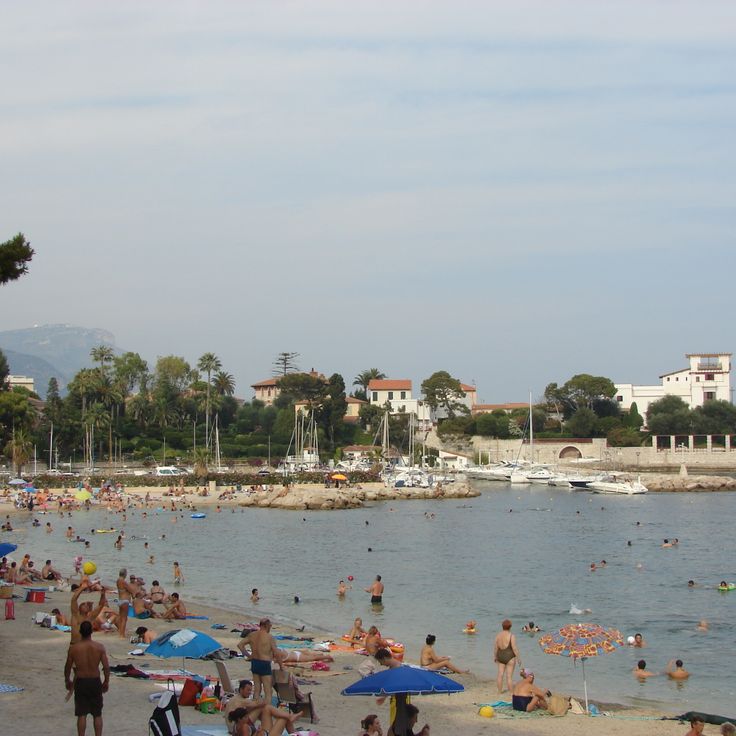
This beach is made of pebbles and sits east of the Nice harbor. The water is clear and invites swimming from May through October. The cove is quieter than the central sections of the Promenade des Anglais. Locals come here to swim without crowds. The setting is framed by low buildings and palm trees.
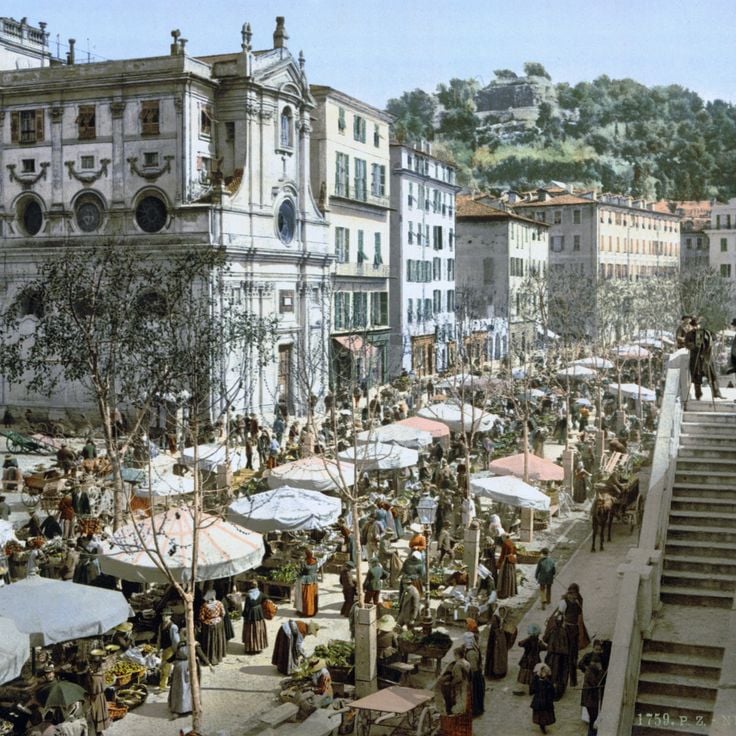
This market opens daily except Mondays from 6 a.m. to 5:30 p.m. and offers regional products, cut flowers and antiques. Stalls line up under the arcades of the old town, where vendors arrange mimosas, roses and lavender. Tuesday through Saturday, flowers and local produce like olives, cheese and spices dominate. On Sundays the square transforms into an antiques market with porcelain, old postcards and vintage furniture. Visitors come early in the morning when colors are most intense and the air smells of fresh blooms.
This forest park spreads across a hill on the eastern edge of Nice and offers walking paths through Mediterranean vegetation. The marked trails pass through pine woods and scrubland toward viewpoints with views of the coastline, the city and the sea. The park connects natural surroundings with urban edge and attracts walkers seeking shade and quiet. Historic military structures and remains of fortifications stand along some routes.
This museum holds the largest public collection of paintings, prints and religious works by Marc Chagall. The exhibition focuses on biblical themes and Hebrew texts that shaped his artistic vision. Galleries are arranged by thematic cycles, allowing visitors to walk through different creative periods. A concert hall with stained glass windows complements the collection. The building sits in a garden area with Mediterranean plantings and pathways that connect the interior spaces.
This central square in Nice connects the old town with the modern city center and is framed by red buildings in Italian style. The arcades provide shade while the square itself remains open and suitable for events. Black and white tiles form a checkerboard pattern on the ground. Seven statues on tall columns stand illuminated at night. The fountain and surrounding benches attract locals and visitors alike. Place Masséna serves as a meeting point and landmark in the city. From here you can reach the Promenade des Anglais and Cours Saleya on foot. The tram stops directly at the square.
This museum occupies a red villa from the 17th century and displays paintings, drawings and personal objects by Henri Matisse. The collection covers different periods of the artist's work, including oil paintings, paper cutouts and sculptures. The rooms follow the evolution of his style, from early pieces to the late works. The building stands among olive trees in the Cimiez neighborhood, which also contains archaeological sites from Roman times.
This cathedral was built in 1912 and is the largest orthodox church outside Russia. Six onion domes define its architecture. The building shows the typical Russian style with colored facades and golden cupolas. The interiors hold icons, frescoes and carved woodwork. The religious life of the Russian community in Nice has taken place here for over a century.
This hill rises above the old town and provides views of the Mediterranean and the bay. Remnants of a medieval fortress mark the site. Paths lead through a park with Mediterranean vegetation, waterfalls and viewpoints. The ascent can be made on foot or by elevator. Castle Hill combines history with natural surroundings and contributes to the skyline of Nice.
This square in the center of Nice sits in front of the 17th-century Sainte-Réparate Cathedral and serves as a gathering spot for residents and travelers. Restaurants with outdoor seating line Place Rossetti, and the terraces fill up especially in the evenings. The cathedral with its dome shapes the look of the square. People meet here to eat, have ice cream or simply rest between the narrow streets of the old town.
This pebble beach lies on a side street of the city and offers visitors a place to enjoy water and sun away from crowds. Coco Beach is among the smaller beaches in Nice and is particularly favored by locals seeking a quiet alternative to the busier sections of the Promenade des Anglais. The beach is surrounded by hills that provide some shade, and direct access to the sea is available. The atmosphere is relaxed, and a few beach bars nearby offer refreshments.
This museum preserves the collection of Anatole Jakovsky, an art critic who championed naive art. The exhibition includes paintings, drawings and sculptures from different periods and regions. The works come from European and international artists who operated outside academic traditions. The building sits in an old castle on the edge of the city. The rooms display pieces with vivid colors and simple forms depicting everyday scenes, landscapes and fantasies. The collection adds a specialized artistic perspective to the cultural landscape of Nice.
This park covers seven hectares and displays more than 2500 plant species. The tropical greenhouse rises 82 feet (25 meters). The grounds sit between the airport and Promenade des Anglais. Visitors walk through themed gardens observing native and exotic flora. The greenhouse shelters palms, orchids and tropical birds. Ponds and water features run through the landscape. Families use the playgrounds and open lawns. The entrance stands on Promenade des Anglais near the Arenas district.
This eighteenth century villa houses an art center with exhibition halls, artist studios and a garden filled with Mediterranean plants. Inside, contemporary exhibitions rotate, making Villa Arson a place where current art movements are displayed. The rooms spread across several floors, some bright and modern, others preserving the historic architecture. The garden invites you to stroll, with olive trees, cypresses and aromatic herbs typical of the region. You sense here the connection between the old structure and the living art scene that defines the center.
This museum occupies four floors showing works by international artists from the postwar period. The exhibitions focus on European and American pieces made after 1950. The building offers a survey of contemporary movements and their evolution. The museum is among the cultural venues that shape the artistic identity of Nice. The collection includes paintings, sculptures and installations spanning several decades. The architecture of the building fits into the urban landscape of the city.
This waterfront promenade stretches seven kilometers along the Mediterranean, linking the center of Nice with the western neighborhoods. Palm trees line the path that runs between the beach and a row of Belle Époque buildings. Morning runners, walkers and cyclists use the broad space, which stays active from early morning to evening. The Promenade des Anglais passes the Negresco hotel and offers open views of the bay. Wooden walkways provide access to the pebble beach, while benches along the entire route invite people to sit and watch the sea.
This museum preserves an archaeological site and displays tools, hunting equipment and traces of a human settlement from the Paleolithic period. The findings reach back 400,000 years. The Terra Amata Museum adds to the cultural venues of Nice with a focus on prehistoric life along the Mediterranean coast.
This Franciscan monastery was founded in the 9th century and stands on the Cimiez hill above Nice. The complex includes a church, a cemetery and a museum on Franciscan history. The cemetery is the final resting place of Henri Matisse and Raoul Dufy. The church displays three altarpieces by Louis Bréa from the 15th century. The gardens offer views over the city and the sea. The monastery is still inhabited by Franciscan monks today.
This public park sits on the Cimiez hill and offers views over the bay and the city. The paths wind through terraces planted with olive trees, palms and pines. Benches are placed at several viewpoints. The grounds connect green spaces with archaeological remains from the Roman period. Visitors come here to walk and enjoy the views. The vegetation reflects the Mediterranean climate of the area.
This 16th century church combines Gothic and Baroque architectural elements. The interior holds frescoes and marble altars. The building stands in a neighborhood where religious tradition blends with the daily life of residents. The facade shows the transitions between different stylistic periods.
The Nice Observatory was founded in 1881 and stands in this city on the French Riviera. This facility serves astronomical research and holds a library of scientific and astronomical works. Visitors can see the domes and learn how researchers have observed the sky for over a century. The location on a hill provides clear views upward and enables precise measurements.
This 18th-century harbor lies east of the old town and connects Nice to Corsica and the French coast. Frigates and merchant vessels once used it for trade with Genoa and Piedmont. Today sailboats and motor yachts moor at its quays. Red facades line the basin and reflect in the water. Fishermen sell their catch in the morning. Restaurants open onto the quay. Ferries depart and return throughout the day.
This park provides paths for walking and birdwatching around a lake where waterfowl gather among pines and cork oaks. Mediterranean vegetation thrives near shallow shores where migratory birds rest in spring and autumn. Vaugrenier Departmental Nature Park forms a natural pause between the coast and the inland hills, suitable for families who prefer quiet afternoons outdoors.
This electric tram connects various districts in Nice across three lines. The network extends from the city center to outlying areas, providing direct access between residential neighborhoods, business districts and major public facilities. The tram runs regularly through main streets and broader boulevards, with stops spaced at short intervals along the route. The vehicles are modern and quiet, with low floors for easy boarding. Using the tram allows visitors and residents to move around the city without relying on cars. Many people use it daily for commuting to work, school or leisure activities.
This public park sits between the train station and the sea and connects the old town with newer neighborhoods. Palm trees, agaves and other plants from warm climates grow along the pathways. Fountains spread across the lawns. A music pavilion from the 19th century stands in the middle of the park. Locals use the benches to rest or read. Families come in the afternoon with children. The garden feels quiet despite being close to busy roads.
This beach is made of pebbles and sits east of the Nice harbor. The water is clear and invites swimming from May through October. The cove is quieter than the central sections of the Promenade des Anglais. Locals come here to swim without crowds. The setting is framed by low buildings and palm trees.
This market opens daily except Mondays from 6 a.m. to 5:30 p.m. and offers regional products, cut flowers and antiques. Stalls line up under the arcades of the old town, where vendors arrange mimosas, roses and lavender. Tuesday through Saturday, flowers and local produce like olives, cheese and spices dominate. On Sundays the square transforms into an antiques market with porcelain, old postcards and vintage furniture. Visitors come early in the morning when colors are most intense and the air smells of fresh blooms.
This forest park spreads across a hill on the eastern edge of Nice and offers walking paths through Mediterranean vegetation. The marked trails pass through pine woods and scrubland toward viewpoints with views of the coastline, the city and the sea. The park connects natural surroundings with urban edge and attracts walkers seeking shade and quiet. Historic military structures and remains of fortifications stand along some routes.
This museum holds the largest public collection of paintings, prints and religious works by Marc Chagall. The exhibition focuses on biblical themes and Hebrew texts that shaped his artistic vision. Galleries are arranged by thematic cycles, allowing visitors to walk through different creative periods. A concert hall with stained glass windows complements the collection. The building sits in a garden area with Mediterranean plantings and pathways that connect the interior spaces.
This central square in Nice connects the old town with the modern city center and is framed by red buildings in Italian style. The arcades provide shade while the square itself remains open and suitable for events. Black and white tiles form a checkerboard pattern on the ground. Seven statues on tall columns stand illuminated at night. The fountain and surrounding benches attract locals and visitors alike. Place Masséna serves as a meeting point and landmark in the city. From here you can reach the Promenade des Anglais and Cours Saleya on foot. The tram stops directly at the square.
This museum occupies a red villa from the 17th century and displays paintings, drawings and personal objects by Henri Matisse. The collection covers different periods of the artist's work, including oil paintings, paper cutouts and sculptures. The rooms follow the evolution of his style, from early pieces to the late works. The building stands among olive trees in the Cimiez neighborhood, which also contains archaeological sites from Roman times.
This cathedral was built in 1912 and is the largest orthodox church outside Russia. Six onion domes define its architecture. The building shows the typical Russian style with colored facades and golden cupolas. The interiors hold icons, frescoes and carved woodwork. The religious life of the Russian community in Nice has taken place here for over a century.
This hill rises above the old town and provides views of the Mediterranean and the bay. Remnants of a medieval fortress mark the site. Paths lead through a park with Mediterranean vegetation, waterfalls and viewpoints. The ascent can be made on foot or by elevator. Castle Hill combines history with natural surroundings and contributes to the skyline of Nice.
This square in the center of Nice sits in front of the 17th-century Sainte-Réparate Cathedral and serves as a gathering spot for residents and travelers. Restaurants with outdoor seating line Place Rossetti, and the terraces fill up especially in the evenings. The cathedral with its dome shapes the look of the square. People meet here to eat, have ice cream or simply rest between the narrow streets of the old town.
This pebble beach lies on a side street of the city and offers visitors a place to enjoy water and sun away from crowds. Coco Beach is among the smaller beaches in Nice and is particularly favored by locals seeking a quiet alternative to the busier sections of the Promenade des Anglais. The beach is surrounded by hills that provide some shade, and direct access to the sea is available. The atmosphere is relaxed, and a few beach bars nearby offer refreshments.
This museum preserves the collection of Anatole Jakovsky, an art critic who championed naive art. The exhibition includes paintings, drawings and sculptures from different periods and regions. The works come from European and international artists who operated outside academic traditions. The building sits in an old castle on the edge of the city. The rooms display pieces with vivid colors and simple forms depicting everyday scenes, landscapes and fantasies. The collection adds a specialized artistic perspective to the cultural landscape of Nice.
This park covers seven hectares and displays more than 2500 plant species. The tropical greenhouse rises 82 feet (25 meters). The grounds sit between the airport and Promenade des Anglais. Visitors walk through themed gardens observing native and exotic flora. The greenhouse shelters palms, orchids and tropical birds. Ponds and water features run through the landscape. Families use the playgrounds and open lawns. The entrance stands on Promenade des Anglais near the Arenas district.
This eighteenth century villa houses an art center with exhibition halls, artist studios and a garden filled with Mediterranean plants. Inside, contemporary exhibitions rotate, making Villa Arson a place where current art movements are displayed. The rooms spread across several floors, some bright and modern, others preserving the historic architecture. The garden invites you to stroll, with olive trees, cypresses and aromatic herbs typical of the region. You sense here the connection between the old structure and the living art scene that defines the center.
This museum occupies four floors showing works by international artists from the postwar period. The exhibitions focus on European and American pieces made after 1950. The building offers a survey of contemporary movements and their evolution. The museum is among the cultural venues that shape the artistic identity of Nice. The collection includes paintings, sculptures and installations spanning several decades. The architecture of the building fits into the urban landscape of the city.
This waterfront promenade stretches seven kilometers along the Mediterranean, linking the center of Nice with the western neighborhoods. Palm trees line the path that runs between the beach and a row of Belle Époque buildings. Morning runners, walkers and cyclists use the broad space, which stays active from early morning to evening. The Promenade des Anglais passes the Negresco hotel and offers open views of the bay. Wooden walkways provide access to the pebble beach, while benches along the entire route invite people to sit and watch the sea.
This museum preserves an archaeological site and displays tools, hunting equipment and traces of a human settlement from the Paleolithic period. The findings reach back 400,000 years. The Terra Amata Museum adds to the cultural venues of Nice with a focus on prehistoric life along the Mediterranean coast.
This Franciscan monastery was founded in the 9th century and stands on the Cimiez hill above Nice. The complex includes a church, a cemetery and a museum on Franciscan history. The cemetery is the final resting place of Henri Matisse and Raoul Dufy. The church displays three altarpieces by Louis Bréa from the 15th century. The gardens offer views over the city and the sea. The monastery is still inhabited by Franciscan monks today.
This public park sits on the Cimiez hill and offers views over the bay and the city. The paths wind through terraces planted with olive trees, palms and pines. Benches are placed at several viewpoints. The grounds connect green spaces with archaeological remains from the Roman period. Visitors come here to walk and enjoy the views. The vegetation reflects the Mediterranean climate of the area.
This 16th century church combines Gothic and Baroque architectural elements. The interior holds frescoes and marble altars. The building stands in a neighborhood where religious tradition blends with the daily life of residents. The facade shows the transitions between different stylistic periods.
The Nice Observatory was founded in 1881 and stands in this city on the French Riviera. This facility serves astronomical research and holds a library of scientific and astronomical works. Visitors can see the domes and learn how researchers have observed the sky for over a century. The location on a hill provides clear views upward and enables precise measurements.
This 18th-century harbor lies east of the old town and connects Nice to Corsica and the French coast. Frigates and merchant vessels once used it for trade with Genoa and Piedmont. Today sailboats and motor yachts moor at its quays. Red facades line the basin and reflect in the water. Fishermen sell their catch in the morning. Restaurants open onto the quay. Ferries depart and return throughout the day.
This park provides paths for walking and birdwatching around a lake where waterfowl gather among pines and cork oaks. Mediterranean vegetation thrives near shallow shores where migratory birds rest in spring and autumn. Vaugrenier Departmental Nature Park forms a natural pause between the coast and the inland hills, suitable for families who prefer quiet afternoons outdoors.
This electric tram connects various districts in Nice across three lines. The network extends from the city center to outlying areas, providing direct access between residential neighborhoods, business districts and major public facilities. The tram runs regularly through main streets and broader boulevards, with stops spaced at short intervals along the route. The vehicles are modern and quiet, with low floors for easy boarding. Using the tram allows visitors and residents to move around the city without relying on cars. Many people use it daily for commuting to work, school or leisure activities.
This public park sits between the train station and the sea and connects the old town with newer neighborhoods. Palm trees, agaves and other plants from warm climates grow along the pathways. Fountains spread across the lawns. A music pavilion from the 19th century stands in the middle of the park. Locals use the benches to rest or read. Families come in the afternoon with children. The garden feels quiet despite being close to busy roads.
This beach is made of pebbles and sits east of the Nice harbor. The water is clear and invites swimming from May through October. The cove is quieter than the central sections of the Promenade des Anglais. Locals come here to swim without crowds. The setting is framed by low buildings and palm trees.
This market opens daily except Mondays from 6 a.m. to 5:30 p.m. and offers regional products, cut flowers and antiques. Stalls line up under the arcades of the old town, where vendors arrange mimosas, roses and lavender. Tuesday through Saturday, flowers and local produce like olives, cheese and spices dominate. On Sundays the square transforms into an antiques market with porcelain, old postcards and vintage furniture. Visitors come early in the morning when colors are most intense and the air smells of fresh blooms.