See the monuments around you in AROpen chests in the app
Around Us is built for your phone — point your camera at the streets and discover the monuments and places around you in augmented reality.Around Us is built for your phone — chests unlock when you walk, explore and capture nearby places.
Nice naturally lends itself to photography. The Mediterranean light shapes the city from morning to evening, revealing in turn the ochre facades of Old Nice, the palms lining the Promenade des Anglais, or the blue domes of Saint-Nicolas Orthodox Cathedral. From the Château hilltop, at 92 meters high, the view encompasses the entire bay, while below, Place Masséna displays its geometric paving stones and red facades. The flower market at Cours Saleya, established since the 17th century, extends to Lympia Port where yellow facades reflect in the water, each neighborhood forming a different scene. The Negresco Hotel with its pink dome marks the coastline, and the Matisse Museum shares the painter's love for the light of the South. Nice offers a variety of viewpoints, making it a preferred destination for those interested in capturing the architecture, colors, and vitality of a city oriented toward the Mediterranean.
Nice naturally lends itself to photography. The Mediterranean light shapes the city from morning to evening, revealing in turn the ochre facades of Old Nice, the palms lining the Promenade des Anglais, or the blue domes of Saint-Nicolas Orthodox Cathedral. From the Château hilltop, at 92 meters high, the view encompasses the entire bay, while below, Place Masséna displays its geometric paving stones and red facades. The flower market at Cours Saleya, established since the 17th century, extends to Lympia Port where yellow facades reflect in the water, each neighborhood forming a different scene. The Negresco Hotel with its pink dome marks the coastline, and the Matisse Museum shares the painter's love for the light of the South. Nice offers a variety of viewpoints, making it a preferred destination for those interested in capturing the architecture, colors, and vitality of a city oriented toward the Mediterranean.
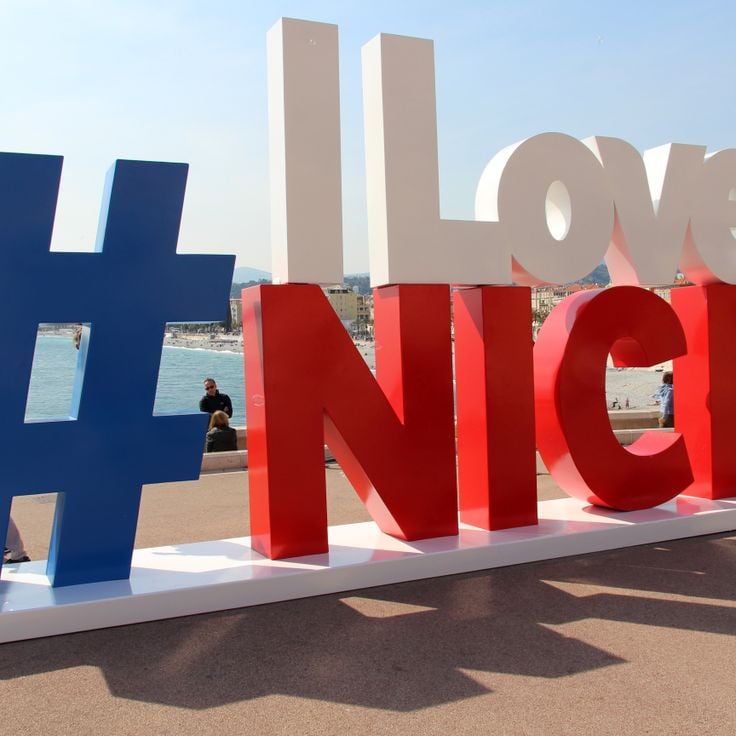
The sculpture "I love Nice" sits on the hilltop overlooking the city. Large, colorful letters spell out the city's name against the sea backdrop. Visitors love photographing it when sunlight dances across the bay in the background. The letters are simple and cheerful, expressing how people feel about Nice and becoming a cherished summer memory in photographs.
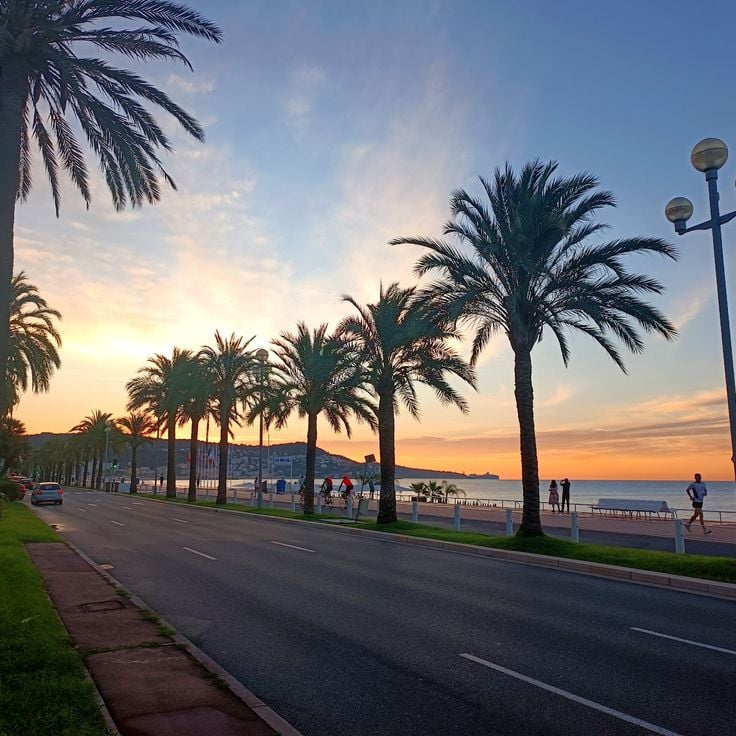
The Promenade des Anglais is where you go to photograph Nice itself. Seven kilometers of coastline with rows of palms and blue chairs facing the Mediterranean. People walk there at any time of day, some slowly, some quickly, depending on their mood. The Mediterranean light creates new scenes constantly, from morning to evening. The straight line between sky and sea frames the colors of the city behind it, making it easy to understand why this place defines the image of Nice.
Castle Hill stands 92 meters above the city and offers the best view of Nice in all directions. You can walk up the paths or take the elevator to the top, where shade lets you rest while looking out over everything. The old ruins, a small waterfall, and the harbor panorama show how Nice has always used its heights. For photographers collecting views of this city, this spot captures the entire bay at once, from the ochre facades of Old Nice to the palms of the Promenade des Anglais.
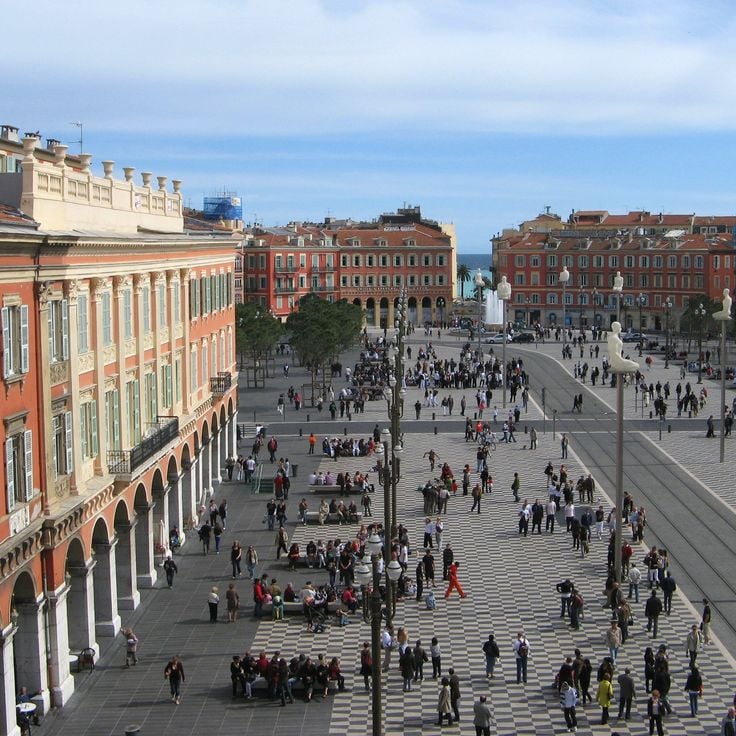
Place Masséna is the beating heart of Nice. The red facades, geometric paving stones, and sculptures perched on columns create an almost theatrical setting. In the evening, the light reflects there like in a marble mirror. For photographers interested in capturing the architecture and colors of this Mediterranean city, this square offers one of the most rewarding scenes in Nice.
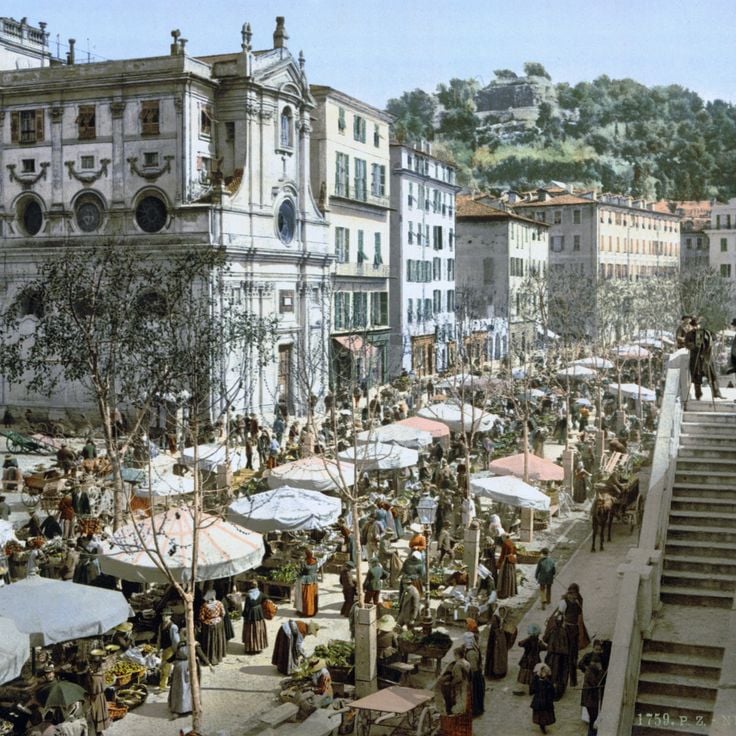
The Saleya Market Square is an ideal place to photograph in Nice, capturing the colors and energy of the southern coast. Under the striped canvases, you find everything that makes the South: flowers, fruits, spices, and voices rising. This market, established since the 17th century, smells of lavender and ripe tomatoes. A simple walk by is enough to understand Niçoise life.
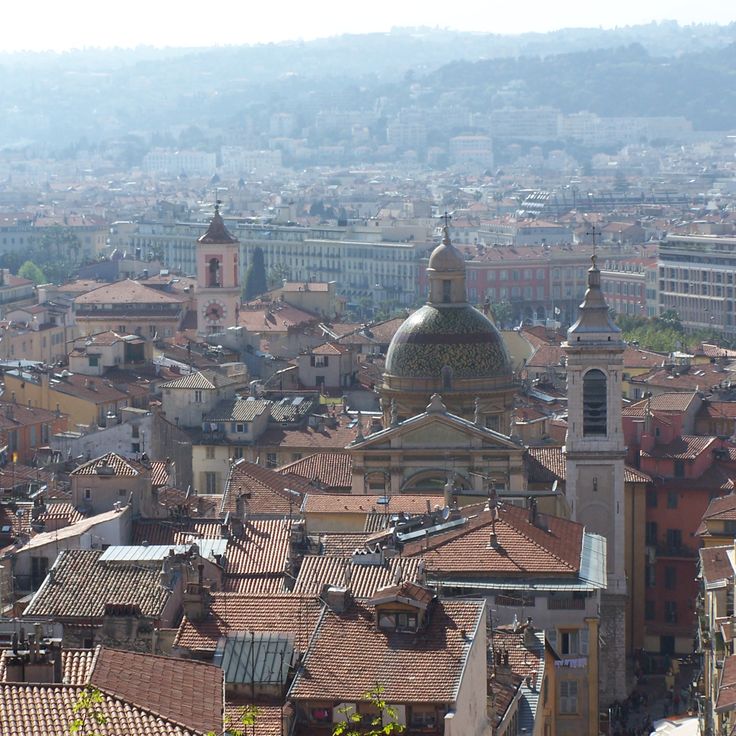
In the Old Town of Nice, narrow alleys and colorful facades form the heart of this photography collection. The streets are filled with cooking aromas and the sounds of daily life. Baroque churches stand next to small restaurants and antique shops, a mix of light and noise. Here, Nice keeps its character and traditions alive in every corner.
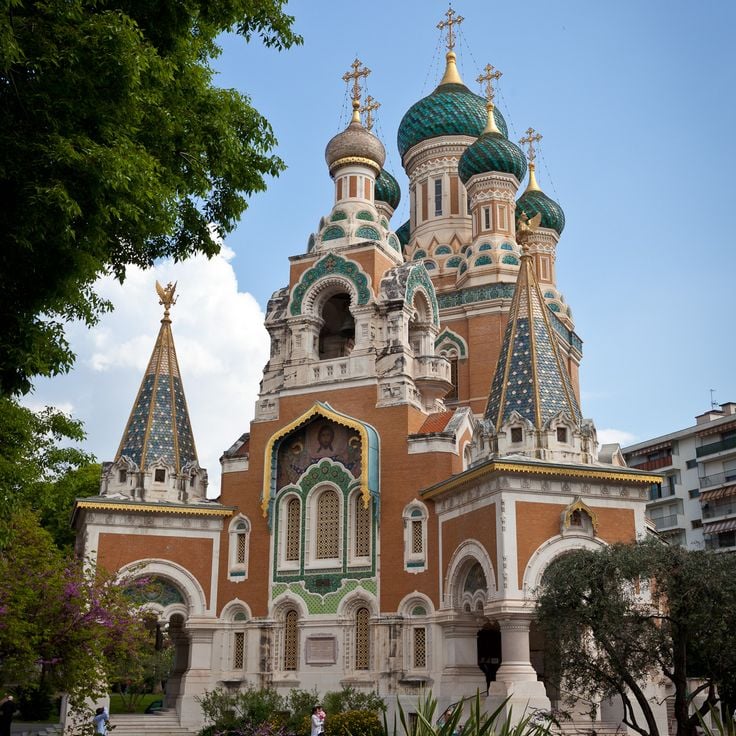
The cathedral stands out with its six onion domes and intricate frescoes that transport visitors to another world. Built in 1912, it reflects the deep ties between Nice and Imperial Russia. Inside, the quiet, golden light creates a contemplative space. This Orthodox sanctuary is a key viewpoint for capturing the diverse colors and architectural styles that define Nice's Mediterranean character.
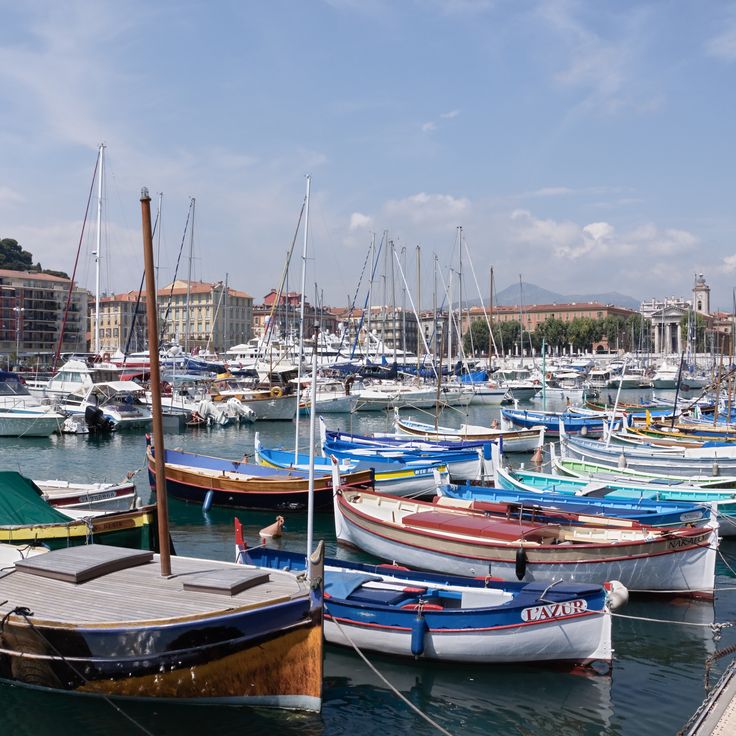
Port Lympia is one of the best places to photograph in Nice. Built in the 18th century, the port combines boats, yellow facades, and lively terraces. The water reflects the colors of the houses, the sound of masts, and evening conversations. It remains a working port where light changes throughout the day, offering different scenes to capture.
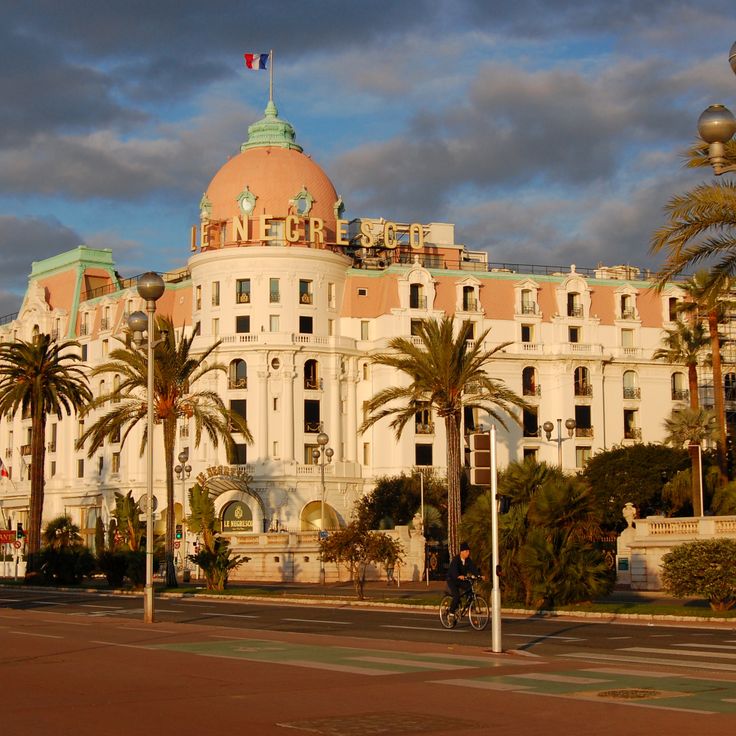
Facing the sea since 1912, the Negresco Hotel stands as a landmark on Nice's coast, recognized by its pink dome. Inside, the historic spaces are filled with artworks and chandeliers spanning five centuries of art history. This hotel serves as a key photographic subject within Nice's collection of viewpoints, representing the elegance and architectural character that defines the city's relationship with the Mediterranean.
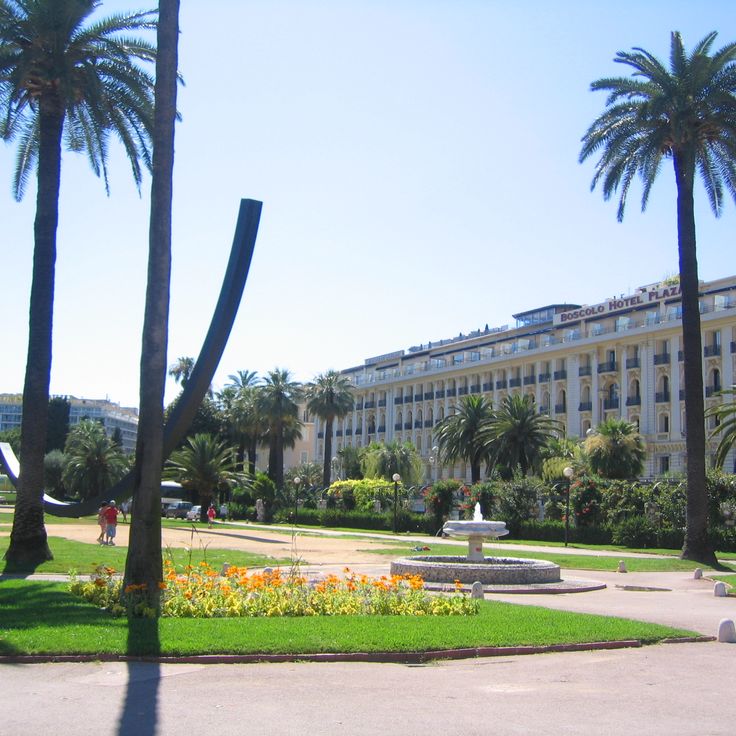
The Jardin Albert Ier sits between the sea and the old town, offering a green break in this collection of Nice's best viewpoints. Palms and fountains ornament the space, where locals stroll in search of shade and cool air. In summer, concerts enliven the garden. This place is part of the different scenes that make Nice appealing for photographers, creating a moment of rest between the Mediterranean coast and the ochre facades of the historic center.
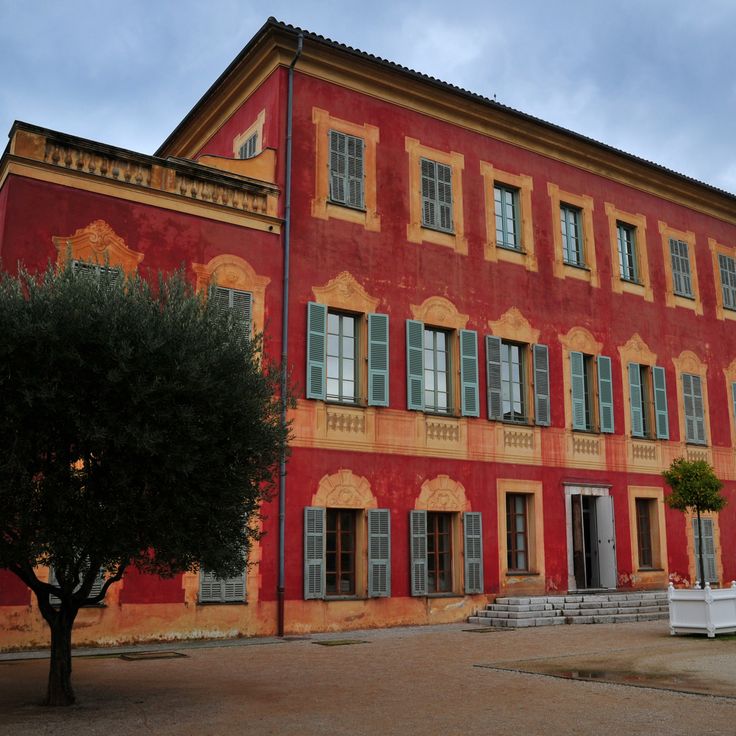
The Matisse Museum in this collection of Nice's best photography viewpoints sits in a red villa surrounded by olive trees. Paintings, drawings, and personal objects trace Henri Matisse's journey and his constant connection to the light and colors of the South. The collection shows how Mediterranean light reveals the city differently throughout the day: from the ochre facades of the Old Town to the palms along the Promenade des Anglais and the blue domes of the Orthodox Cathedral.
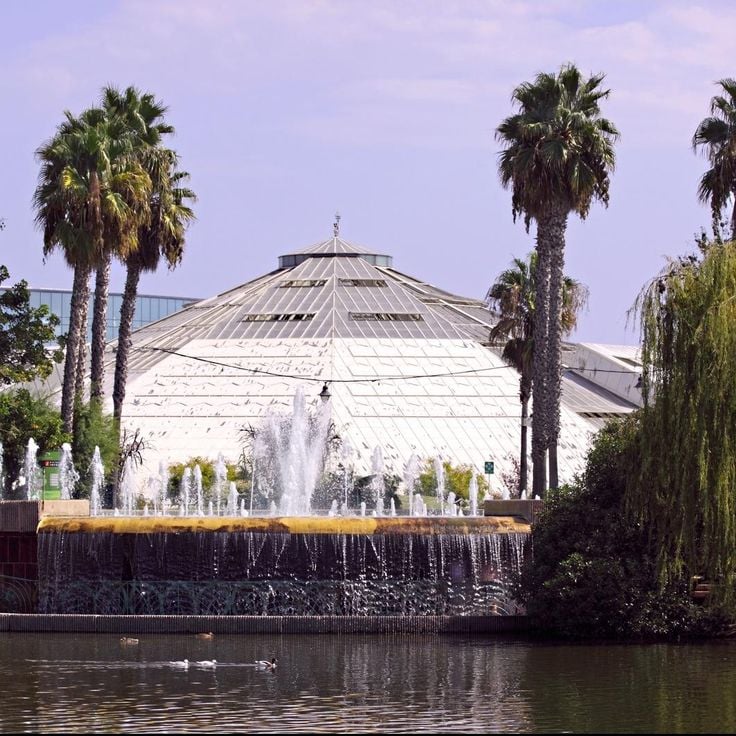
In this photographic collection of Nice, the Phoenix Park offers a contrast to the city's urban architecture. This seven-hectare green space at the edge of the city features lakes, birds, and tropical greenhouses hosting over two thousand plant species. The park feels like an oasis existing outside of time, where visitors can experience the Mediterranean region from a different perspective.
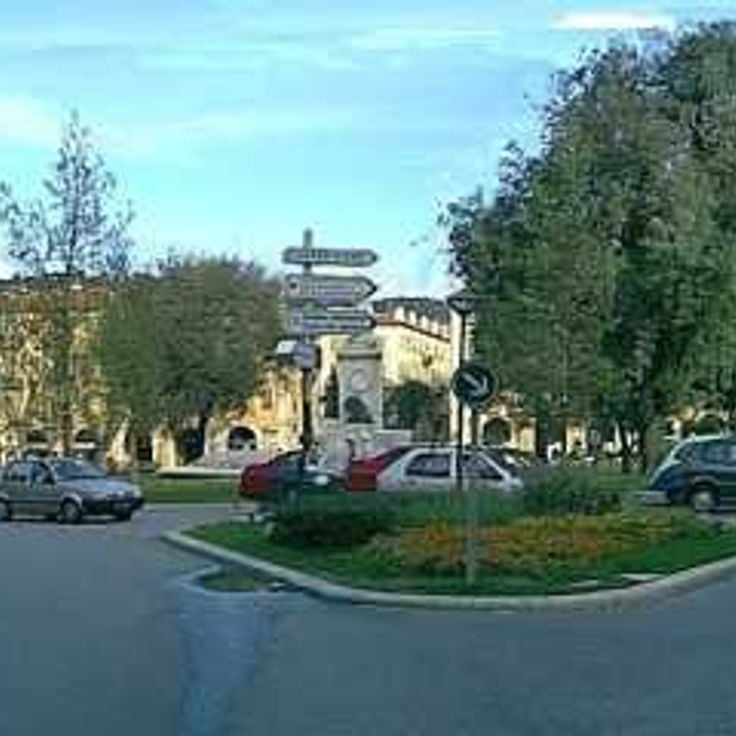
Garibaldi Square is an important photography subject in this collection of Nice's best viewpoints. The 18th-century square features ochre-colored facades and graceful arcades that provide shade and character. A statue of Giuseppe Garibaldi stands at its center, honoring Nice's Italian heritage. This square serves as a natural gathering place where people pause and linger, making it an ideal scene for photographers. The warm building colors, geometric layout, and architectural details offer compelling subjects for capturing the distinctive charm of this Mediterranean city.
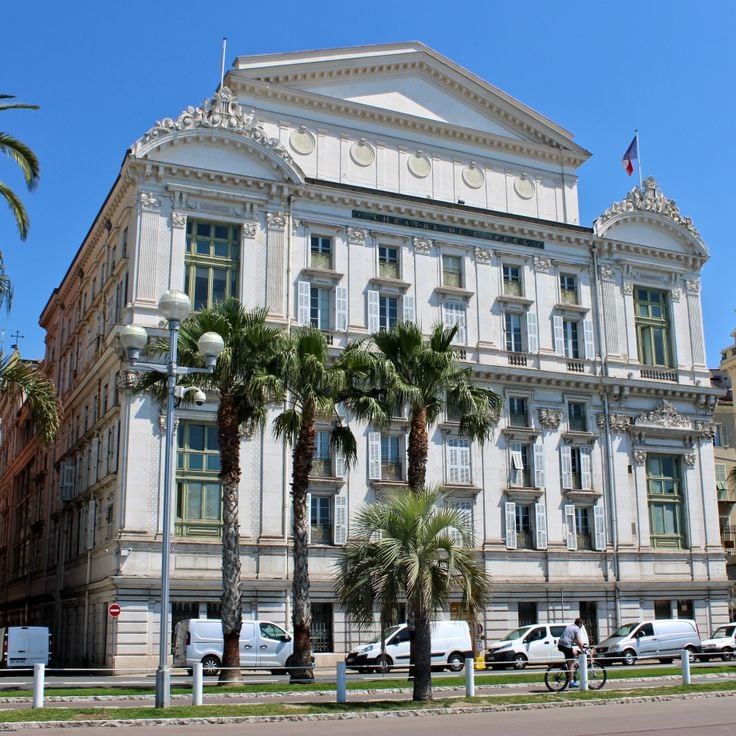
The Opera de Nice is a theater built in 1885 with Italian architecture that contributes to the visual identity of the city. From the outside, the building presents an elegant facade with red tones that stands out among Nice's structures. Inside, visitors find red velvet, gold decorations, and spaces that reflect the grandeur of 19th century design. The opera house hosts performances of operas, ballets, and concerts throughout the year. For those photographing Nice's landmarks and architectural heritage, this building offers multiple angles and photographic opportunities that capture the city's connection to the arts and classical design.
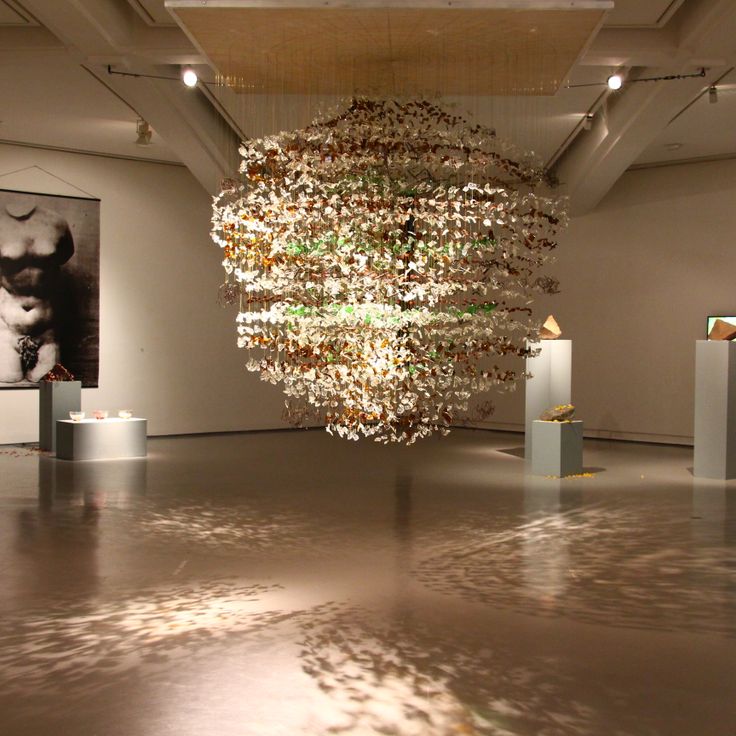
The Modern and Contemporary Art Museum in Nice consists of four glass and stone towers connected to each other. Inside, visitors find works by Yves Klein, Niki de Saint Phalle, Warhol, and other artists. The glass facade allows you to see the city outside, reflected in the windows. This building offers photographers opportunities to capture how modern architecture frames the surrounding landscape.
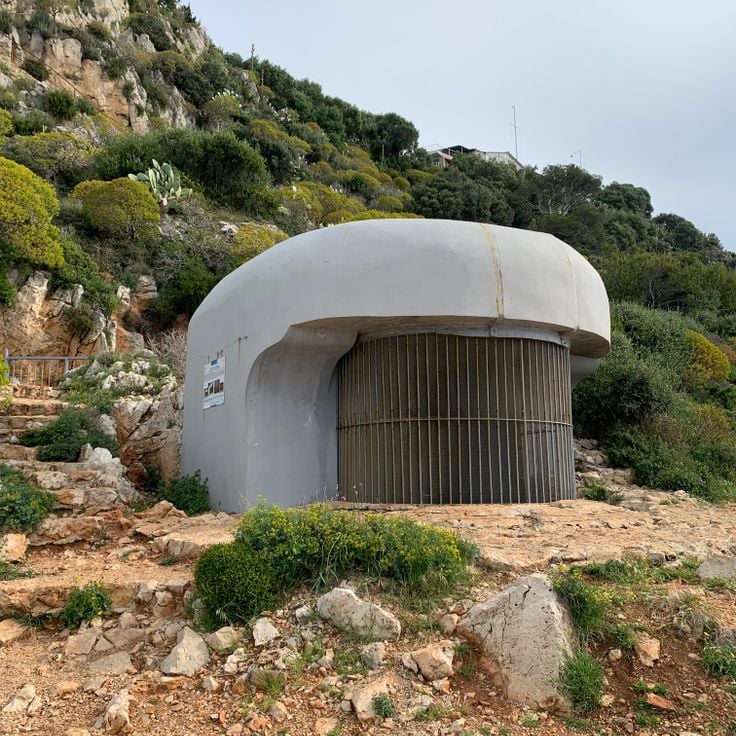
Built into the rock in 1792, the Casemate des Sans-Culottes tells the story of Nice's military past. From this fortification, you can still see the observation posts and openings that once faced the sea, offering photographers a chance to capture a different side of the city. The structure stands as a reminder of the coastal defenses that protected Nice, adding depth to the variety of photographic subjects found throughout the city.
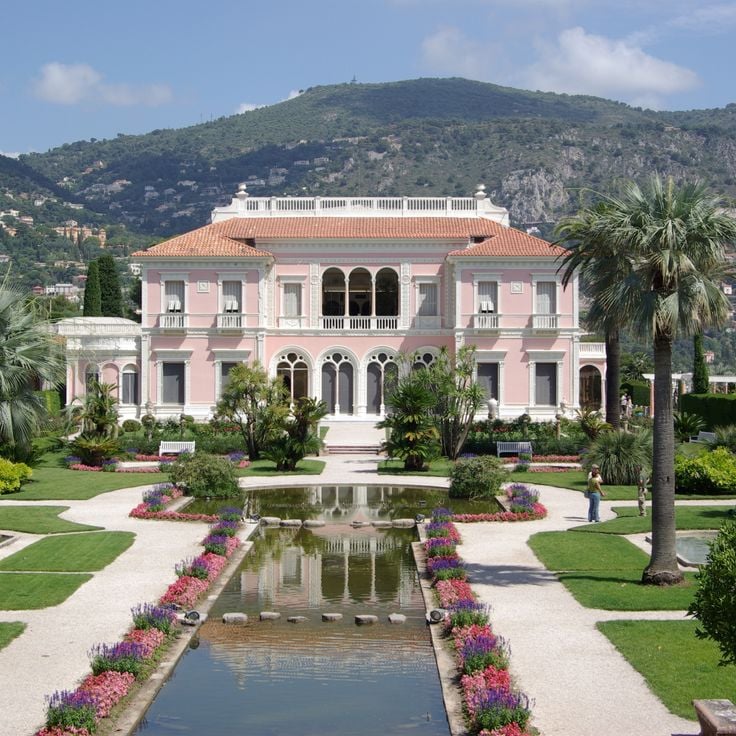
The Villa Ephrussi de Rothschild is a magnificent setting for photography in this collection of places that naturally lend themselves to being photographed. The mansion is surrounded by nine distinct gardens, each offering views and moments to capture. Inside, antique furniture and paintings glow with color and history. Outside, fountains play among cypresses and rose bushes. The building displays classical lines and rich details at every turn.
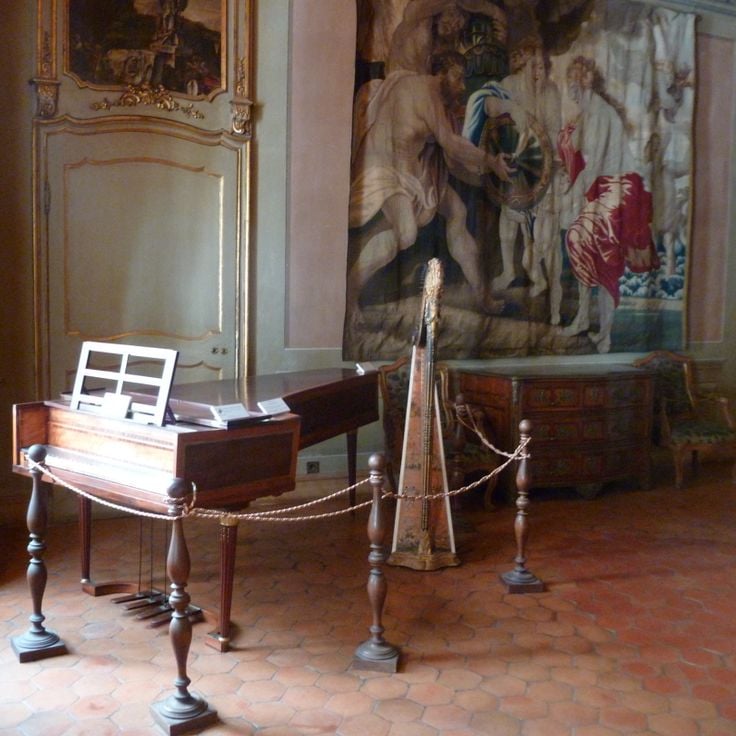
The Lascaris Palace is one of Nice's photographic treasures, revealing the baroque beauty of this city where Mediterranean light shapes every corner. This 17th-century townhouse has been transformed into a museum where each room showcases frescoes, furniture, and musical instruments suspended in time. The silence within its walls becomes part of the experience, allowing visitors to capture the intricate details and luminosity of these historic spaces.
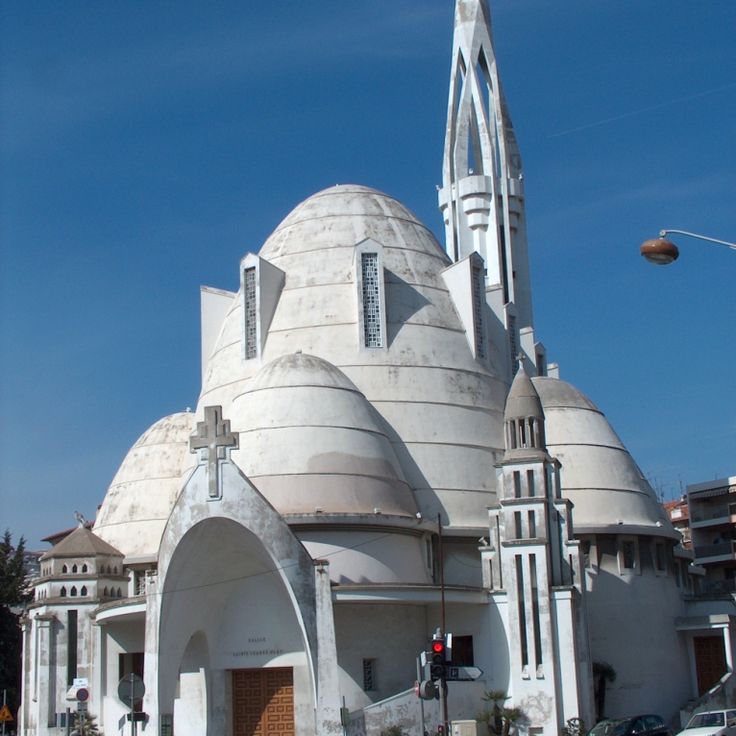
The Sainte-Jeanne d'Arc Church in Nice displays striking modern architecture from 1933. Built in the shape of a ship, the structure features white walls and triangular stained glass windows that stand out among surrounding buildings. This church offers a unique subject for photographers seeking to capture the different architectural styles that define Nice beyond its traditional ochre facades and Mediterranean light.
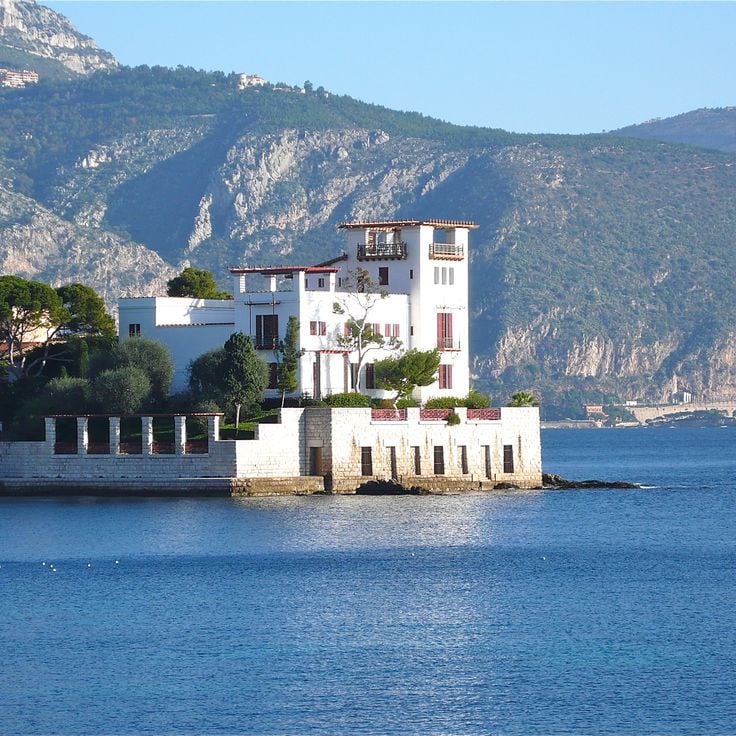
Villa Kérylos in Beaulieu-sur-Mer shows how ancient beauty can live on through modern buildings. Built in 1902, this villa recreates a classical Greek house. Mosaics cover the floors, columns shape the rooms, frescoes adorn the walls. Every detail follows harmonious proportions and classical forms. The villa sits on the Mediterranean coast and brings together the heritage of antiquity with the light of the southern shore. It stands as a place where history is preserved in living form, displaying a deep love for classical harmony. For photographers drawn to Nice's architecture and colors, Villa Kérylos reveals the foundations of this Mediterranean beauty.
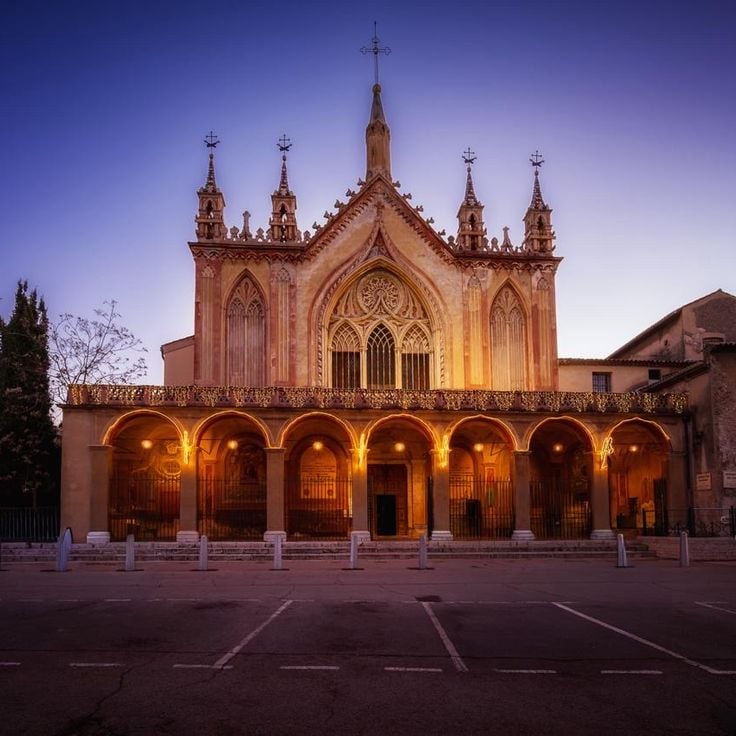
This monastery sits in the heights above Nice and offers a peaceful setting with a 13th-century church and a rose garden. The nearby cemetery rests many artists. It is a place of silence and remembrance, ideal for photographers seeking to capture the spiritual side of the city beyond the Mediterranean coastline.
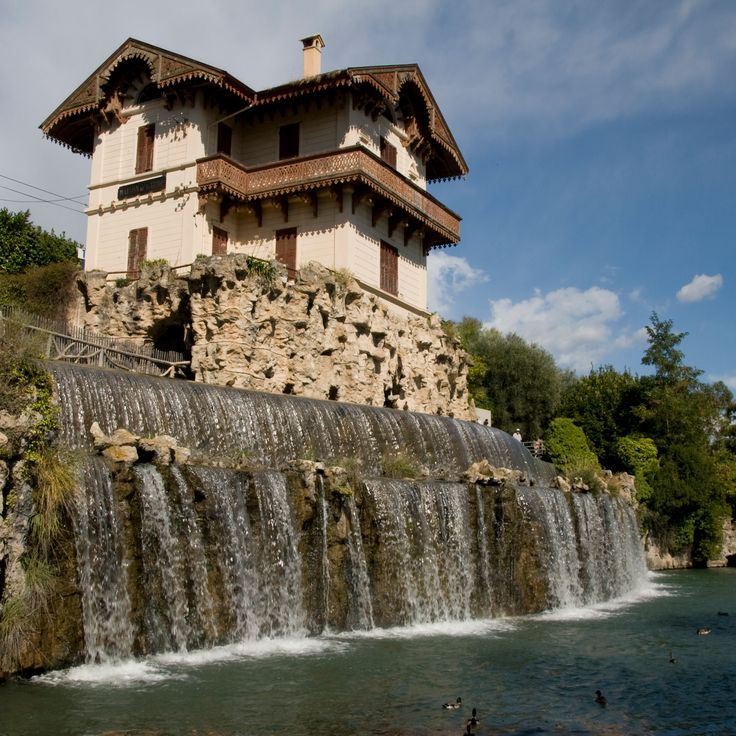
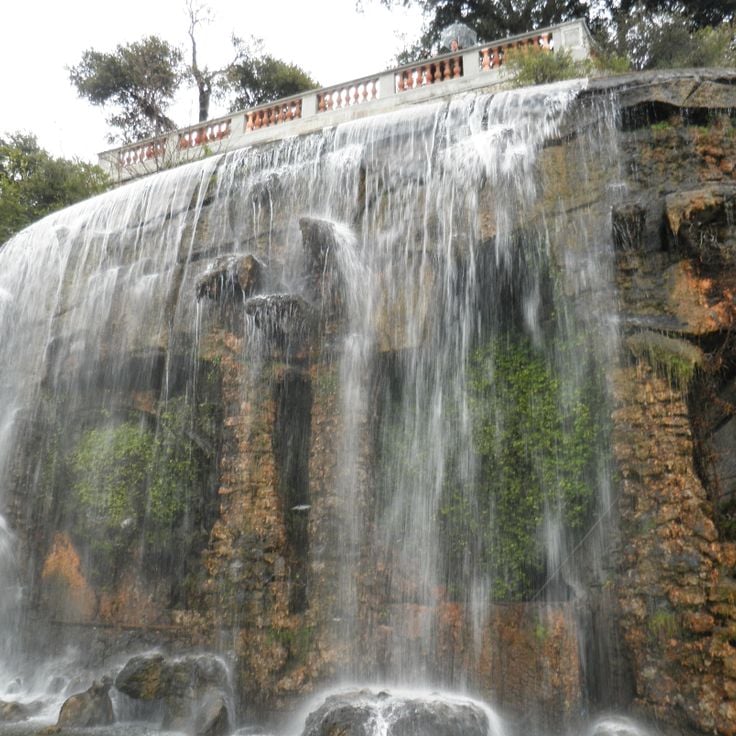
The waterfall in the Castle Hill Park is an artificial structure built in 1885, where water cascades down about 26 feet (8 meters). During summer months, it creates a refreshing mist that provides relief from the heat. Visitors often stop here to take photographs and enjoy the space. In this collection of Nice's best viewpoints, this waterfall is worth visiting because it combines the cool sensation of water with views from the hill that overlook the entire bay.
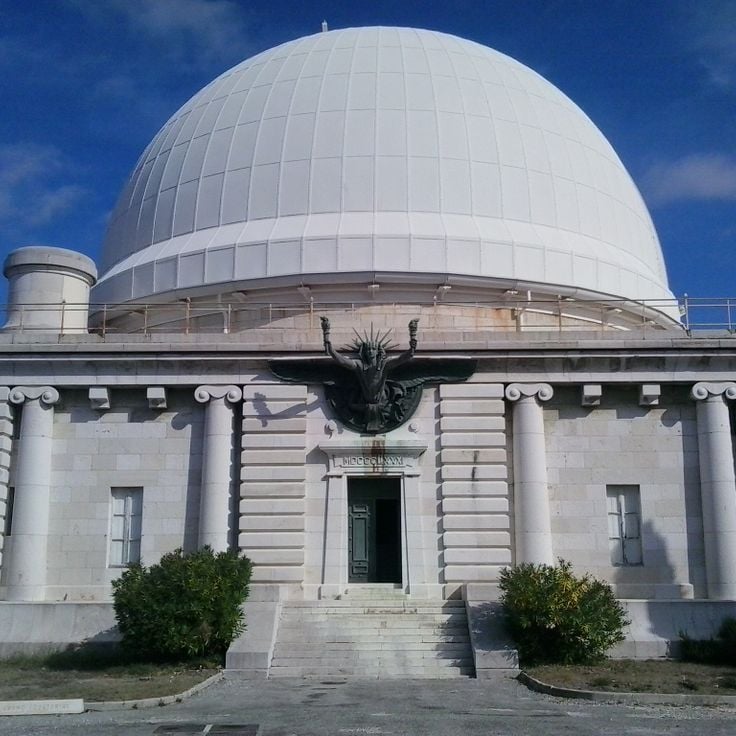
The Nice Observatory sits high above the hills with a white dome visible from many angles. Built in 1879, it houses astronomical instruments and telescopes for studying the sky. This place brings together science and poetry, offering a spot where you can look upward toward the stars while the city spreads below you. For photographers, the observatory provides commanding views of the rooftops of Old Nice, the palms of the Promenade des Anglais, and the Mediterranean beyond. The light here changes throughout the day, revealing different colors and shadows across the bay.
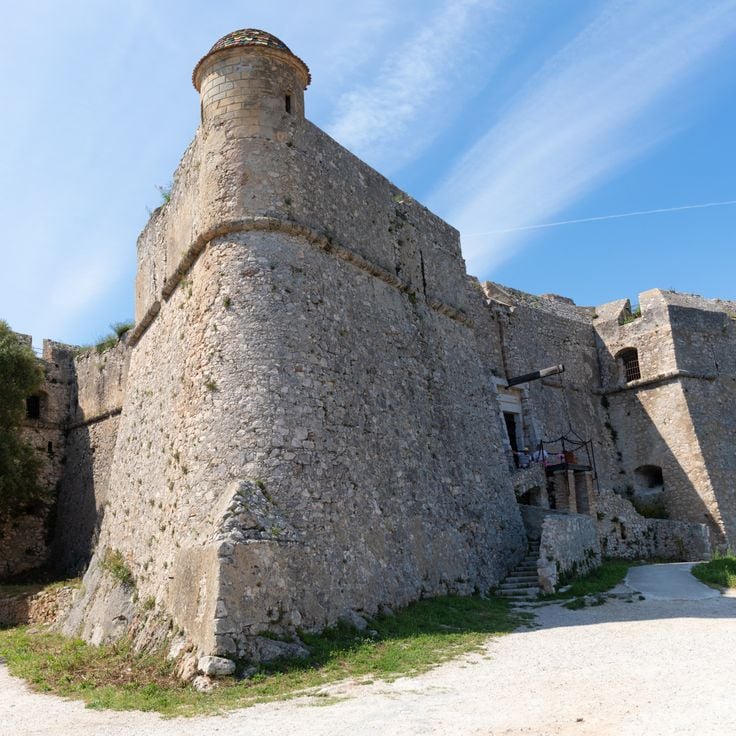
Mont Alban Fort stands at 222 meters above sea level and overlooks the bay of Nice. Built in the 16th century, its stone walls hold memories of guards and cannons from centuries past. From this fortress, you can see across the water to Villefranche and Cap-Ferrat. As a viewpoint for photography, Mont Alban Fort offers sweeping views of the coastline and Mediterranean light that shifts throughout the day, capturing the essence of Nice's visual character.
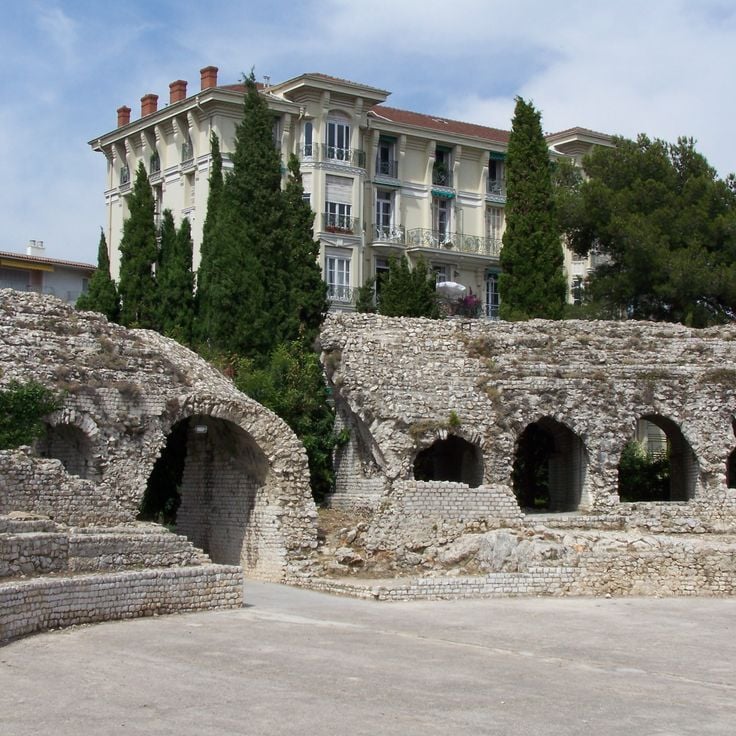
This 2nd-century Roman amphitheater sits on a hillside and offers a place rich with history to photograph. The Arènes de Cimiez shows where Romans once gathered to watch games and performances. Today, olive trees surround the ruins, creating a quiet setting that contrasts with the bright light and colors that shape Nice's other neighborhoods and landmarks.
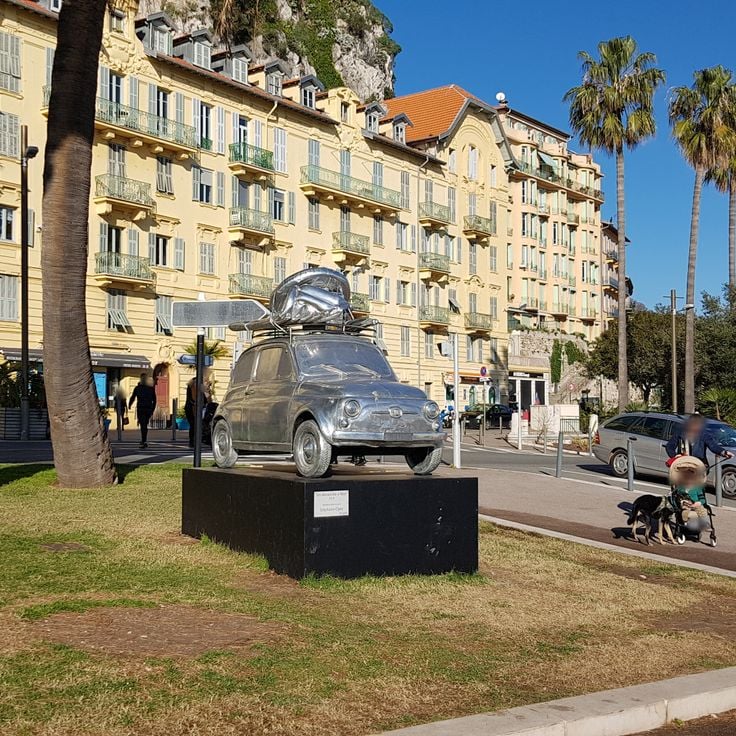
This bronze sculpture by Sabine Géraudie depicts walkers facing the sea. Placed toward the Mediterranean, it captures the quiet softness of a Sunday in Nice. The work fits naturally into the city's visual story, where Mediterranean light transforms every scene and reveals the connection between people and the sea.
Rauba Capeu sits at the end of the Promenade des Anglais and serves as an important viewpoint for this photography collection. This promontory offers views of the port and the bay of Nice. Visitors come to watch sunrises and sunsets, each one different, each one beautiful. The Mediterranean light shifts the colors of the sky and water throughout the day.
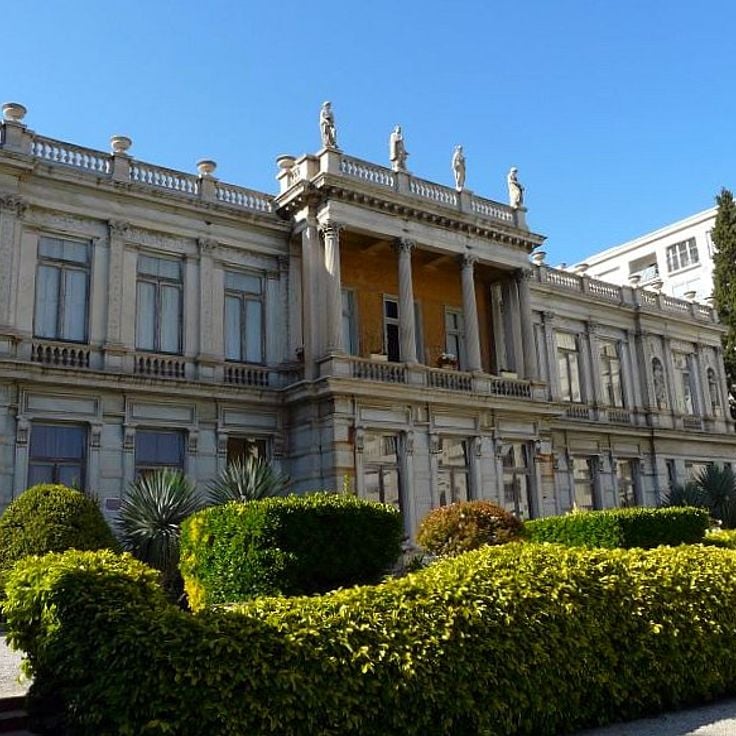
The Palais de Marbre from 1872 displays refined elegance with white marble and Mediterranean gardens. This building stands apart from the surrounding vibrant city through its subtle beauty. For this collection of photographic viewpoints, the Palais de Marbre offers a subject that combines Nice's classical architecture with a sense of southern lightness.
This botanical garden of Nice is a green space featuring over three thousand plant species from all climates. Palms, cacti, and tropical flowers grow side by side. The garden teaches visitors how to identify plants but is mainly visited for the calm it offers. For this photography collection focused on Nice, the garden provides a contrast to the urban scenes of Old Nice and the Promenade des Anglais.
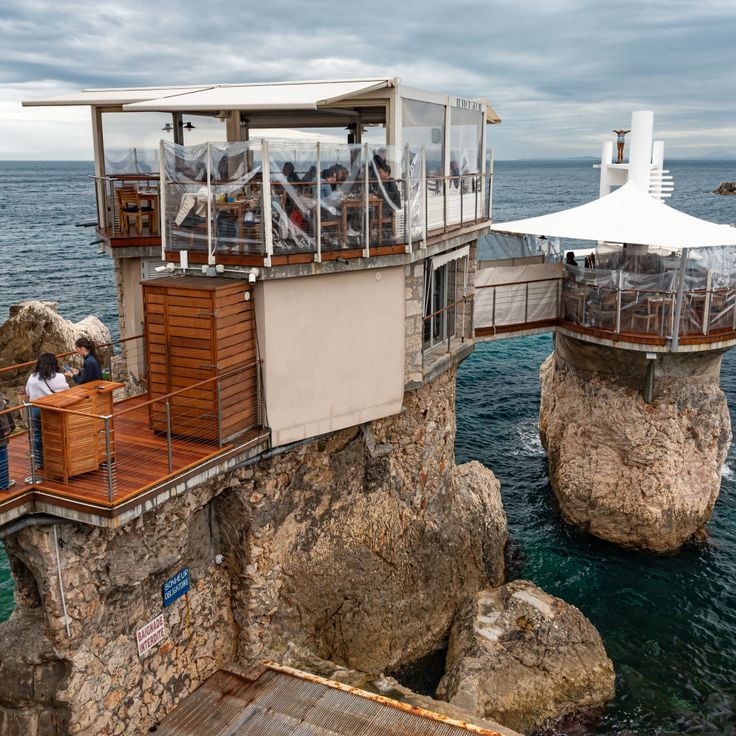
Le Plongeoir is a restaurant built on a platform above the sea, fitting perfectly into this collection of photogenic spots in Nice. The place blends Mediterranean beauty with daily life on the water. In the past, people dove here for sport. Today, diners experience the sound of waves and evening lights while eating. The location offers excellent photography opportunities with the sea as a backdrop and provides a different angle on the coastline from other famous viewpoints like the Promenade des Anglais.
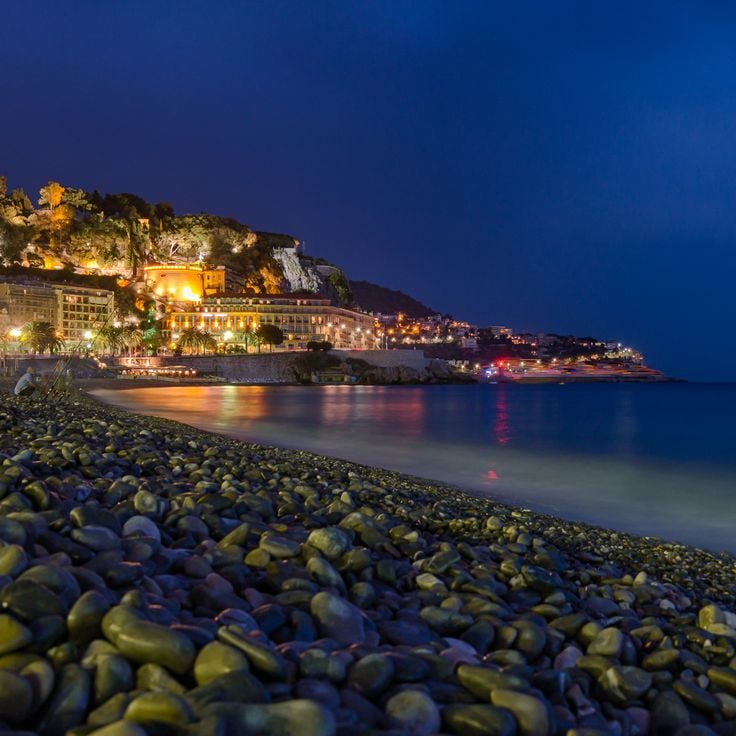
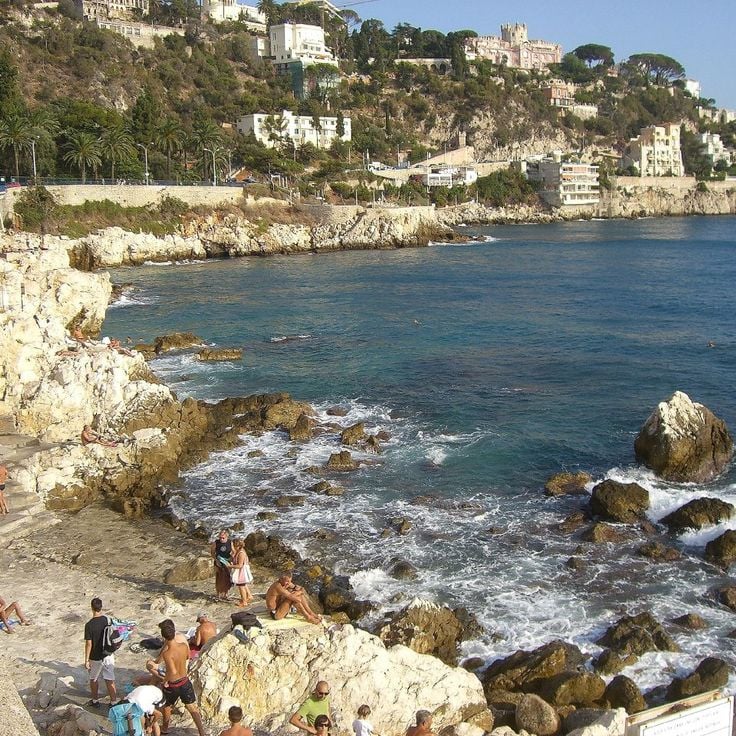
This small pebbly beach sits east of Nice's harbor, framed by rocks along the waterline. The place attracts swimmers and visitors looking for a quieter spot by the sea, away from the busier sections of the coast. It fits perfectly into Nice's photographic collection, offering a different view of the Mediterranean - one that shows the rocky character of this part of the shoreline and how people use the water in a more sheltered setting.
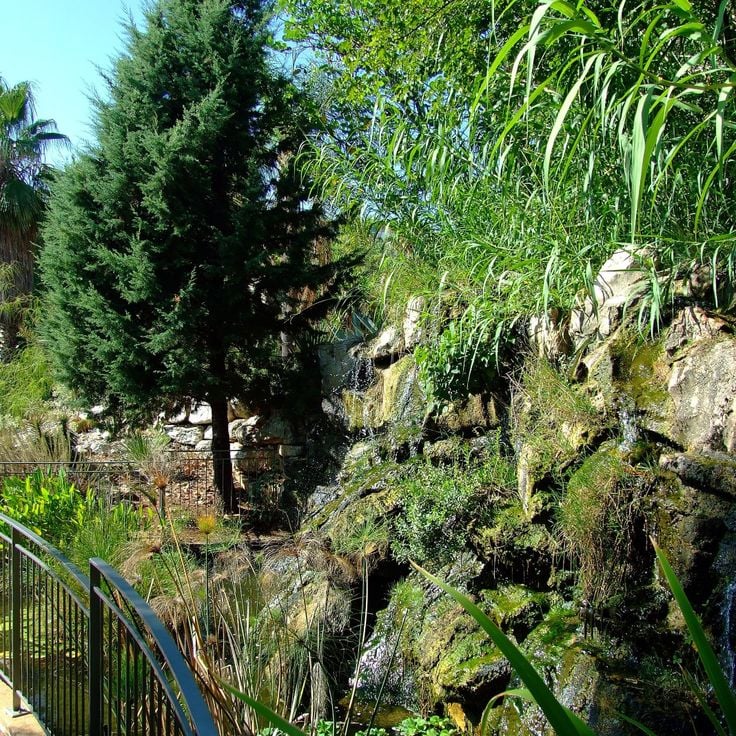
This waterfall offers photographers a chance to capture something different from Nice's coastal views. Located north of the city, the water drops about 20 meters between the trees. A stone path leads visitors there. The combination of flowing water, surrounding greenery, and natural light creates an unexpected scene in a city known for Mediterranean colors and architecture. For those photographing Nice, this spot provides contrast to the ochre facades of Old Nice and the palms of the Promenade des Anglais.
The sculpture "I love Nice" sits on the hilltop overlooking the city. Large, colorful letters spell out the city's name against the sea backdrop. Visitors love photographing it when sunlight dances across the bay in the background. The letters are simple and cheerful, expressing how people feel about Nice and becoming a cherished summer memory in photographs.
The Promenade des Anglais is where you go to photograph Nice itself. Seven kilometers of coastline with rows of palms and blue chairs facing the Mediterranean. People walk there at any time of day, some slowly, some quickly, depending on their mood. The Mediterranean light creates new scenes constantly, from morning to evening. The straight line between sky and sea frames the colors of the city behind it, making it easy to understand why this place defines the image of Nice.
Castle Hill stands 92 meters above the city and offers the best view of Nice in all directions. You can walk up the paths or take the elevator to the top, where shade lets you rest while looking out over everything. The old ruins, a small waterfall, and the harbor panorama show how Nice has always used its heights. For photographers collecting views of this city, this spot captures the entire bay at once, from the ochre facades of Old Nice to the palms of the Promenade des Anglais.
Place Masséna is the beating heart of Nice. The red facades, geometric paving stones, and sculptures perched on columns create an almost theatrical setting. In the evening, the light reflects there like in a marble mirror. For photographers interested in capturing the architecture and colors of this Mediterranean city, this square offers one of the most rewarding scenes in Nice.
The Saleya Market Square is an ideal place to photograph in Nice, capturing the colors and energy of the southern coast. Under the striped canvases, you find everything that makes the South: flowers, fruits, spices, and voices rising. This market, established since the 17th century, smells of lavender and ripe tomatoes. A simple walk by is enough to understand Niçoise life.
In the Old Town of Nice, narrow alleys and colorful facades form the heart of this photography collection. The streets are filled with cooking aromas and the sounds of daily life. Baroque churches stand next to small restaurants and antique shops, a mix of light and noise. Here, Nice keeps its character and traditions alive in every corner.
The cathedral stands out with its six onion domes and intricate frescoes that transport visitors to another world. Built in 1912, it reflects the deep ties between Nice and Imperial Russia. Inside, the quiet, golden light creates a contemplative space. This Orthodox sanctuary is a key viewpoint for capturing the diverse colors and architectural styles that define Nice's Mediterranean character.
Port Lympia is one of the best places to photograph in Nice. Built in the 18th century, the port combines boats, yellow facades, and lively terraces. The water reflects the colors of the houses, the sound of masts, and evening conversations. It remains a working port where light changes throughout the day, offering different scenes to capture.
Facing the sea since 1912, the Negresco Hotel stands as a landmark on Nice's coast, recognized by its pink dome. Inside, the historic spaces are filled with artworks and chandeliers spanning five centuries of art history. This hotel serves as a key photographic subject within Nice's collection of viewpoints, representing the elegance and architectural character that defines the city's relationship with the Mediterranean.
The Jardin Albert Ier sits between the sea and the old town, offering a green break in this collection of Nice's best viewpoints. Palms and fountains ornament the space, where locals stroll in search of shade and cool air. In summer, concerts enliven the garden. This place is part of the different scenes that make Nice appealing for photographers, creating a moment of rest between the Mediterranean coast and the ochre facades of the historic center.
The Matisse Museum in this collection of Nice's best photography viewpoints sits in a red villa surrounded by olive trees. Paintings, drawings, and personal objects trace Henri Matisse's journey and his constant connection to the light and colors of the South. The collection shows how Mediterranean light reveals the city differently throughout the day: from the ochre facades of the Old Town to the palms along the Promenade des Anglais and the blue domes of the Orthodox Cathedral.
In this photographic collection of Nice, the Phoenix Park offers a contrast to the city's urban architecture. This seven-hectare green space at the edge of the city features lakes, birds, and tropical greenhouses hosting over two thousand plant species. The park feels like an oasis existing outside of time, where visitors can experience the Mediterranean region from a different perspective.
Garibaldi Square is an important photography subject in this collection of Nice's best viewpoints. The 18th-century square features ochre-colored facades and graceful arcades that provide shade and character. A statue of Giuseppe Garibaldi stands at its center, honoring Nice's Italian heritage. This square serves as a natural gathering place where people pause and linger, making it an ideal scene for photographers. The warm building colors, geometric layout, and architectural details offer compelling subjects for capturing the distinctive charm of this Mediterranean city.
The Opera de Nice is a theater built in 1885 with Italian architecture that contributes to the visual identity of the city. From the outside, the building presents an elegant facade with red tones that stands out among Nice's structures. Inside, visitors find red velvet, gold decorations, and spaces that reflect the grandeur of 19th century design. The opera house hosts performances of operas, ballets, and concerts throughout the year. For those photographing Nice's landmarks and architectural heritage, this building offers multiple angles and photographic opportunities that capture the city's connection to the arts and classical design.
The Modern and Contemporary Art Museum in Nice consists of four glass and stone towers connected to each other. Inside, visitors find works by Yves Klein, Niki de Saint Phalle, Warhol, and other artists. The glass facade allows you to see the city outside, reflected in the windows. This building offers photographers opportunities to capture how modern architecture frames the surrounding landscape.
Built into the rock in 1792, the Casemate des Sans-Culottes tells the story of Nice's military past. From this fortification, you can still see the observation posts and openings that once faced the sea, offering photographers a chance to capture a different side of the city. The structure stands as a reminder of the coastal defenses that protected Nice, adding depth to the variety of photographic subjects found throughout the city.
The Villa Ephrussi de Rothschild is a magnificent setting for photography in this collection of places that naturally lend themselves to being photographed. The mansion is surrounded by nine distinct gardens, each offering views and moments to capture. Inside, antique furniture and paintings glow with color and history. Outside, fountains play among cypresses and rose bushes. The building displays classical lines and rich details at every turn.
The Lascaris Palace is one of Nice's photographic treasures, revealing the baroque beauty of this city where Mediterranean light shapes every corner. This 17th-century townhouse has been transformed into a museum where each room showcases frescoes, furniture, and musical instruments suspended in time. The silence within its walls becomes part of the experience, allowing visitors to capture the intricate details and luminosity of these historic spaces.
The Sainte-Jeanne d'Arc Church in Nice displays striking modern architecture from 1933. Built in the shape of a ship, the structure features white walls and triangular stained glass windows that stand out among surrounding buildings. This church offers a unique subject for photographers seeking to capture the different architectural styles that define Nice beyond its traditional ochre facades and Mediterranean light.
Villa Kérylos in Beaulieu-sur-Mer shows how ancient beauty can live on through modern buildings. Built in 1902, this villa recreates a classical Greek house. Mosaics cover the floors, columns shape the rooms, frescoes adorn the walls. Every detail follows harmonious proportions and classical forms. The villa sits on the Mediterranean coast and brings together the heritage of antiquity with the light of the southern shore. It stands as a place where history is preserved in living form, displaying a deep love for classical harmony. For photographers drawn to Nice's architecture and colors, Villa Kérylos reveals the foundations of this Mediterranean beauty.
This monastery sits in the heights above Nice and offers a peaceful setting with a 13th-century church and a rose garden. The nearby cemetery rests many artists. It is a place of silence and remembrance, ideal for photographers seeking to capture the spiritual side of the city beyond the Mediterranean coastline.
The waterfall in the Castle Hill Park is an artificial structure built in 1885, where water cascades down about 26 feet (8 meters). During summer months, it creates a refreshing mist that provides relief from the heat. Visitors often stop here to take photographs and enjoy the space. In this collection of Nice's best viewpoints, this waterfall is worth visiting because it combines the cool sensation of water with views from the hill that overlook the entire bay.
The Nice Observatory sits high above the hills with a white dome visible from many angles. Built in 1879, it houses astronomical instruments and telescopes for studying the sky. This place brings together science and poetry, offering a spot where you can look upward toward the stars while the city spreads below you. For photographers, the observatory provides commanding views of the rooftops of Old Nice, the palms of the Promenade des Anglais, and the Mediterranean beyond. The light here changes throughout the day, revealing different colors and shadows across the bay.
Mont Alban Fort stands at 222 meters above sea level and overlooks the bay of Nice. Built in the 16th century, its stone walls hold memories of guards and cannons from centuries past. From this fortress, you can see across the water to Villefranche and Cap-Ferrat. As a viewpoint for photography, Mont Alban Fort offers sweeping views of the coastline and Mediterranean light that shifts throughout the day, capturing the essence of Nice's visual character.
This 2nd-century Roman amphitheater sits on a hillside and offers a place rich with history to photograph. The Arènes de Cimiez shows where Romans once gathered to watch games and performances. Today, olive trees surround the ruins, creating a quiet setting that contrasts with the bright light and colors that shape Nice's other neighborhoods and landmarks.
This bronze sculpture by Sabine Géraudie depicts walkers facing the sea. Placed toward the Mediterranean, it captures the quiet softness of a Sunday in Nice. The work fits naturally into the city's visual story, where Mediterranean light transforms every scene and reveals the connection between people and the sea.
Rauba Capeu sits at the end of the Promenade des Anglais and serves as an important viewpoint for this photography collection. This promontory offers views of the port and the bay of Nice. Visitors come to watch sunrises and sunsets, each one different, each one beautiful. The Mediterranean light shifts the colors of the sky and water throughout the day.
The Palais de Marbre from 1872 displays refined elegance with white marble and Mediterranean gardens. This building stands apart from the surrounding vibrant city through its subtle beauty. For this collection of photographic viewpoints, the Palais de Marbre offers a subject that combines Nice's classical architecture with a sense of southern lightness.
This botanical garden of Nice is a green space featuring over three thousand plant species from all climates. Palms, cacti, and tropical flowers grow side by side. The garden teaches visitors how to identify plants but is mainly visited for the calm it offers. For this photography collection focused on Nice, the garden provides a contrast to the urban scenes of Old Nice and the Promenade des Anglais.
Le Plongeoir is a restaurant built on a platform above the sea, fitting perfectly into this collection of photogenic spots in Nice. The place blends Mediterranean beauty with daily life on the water. In the past, people dove here for sport. Today, diners experience the sound of waves and evening lights while eating. The location offers excellent photography opportunities with the sea as a backdrop and provides a different angle on the coastline from other famous viewpoints like the Promenade des Anglais.
This small pebbly beach sits east of Nice's harbor, framed by rocks along the waterline. The place attracts swimmers and visitors looking for a quieter spot by the sea, away from the busier sections of the coast. It fits perfectly into Nice's photographic collection, offering a different view of the Mediterranean - one that shows the rocky character of this part of the shoreline and how people use the water in a more sheltered setting.
This waterfall offers photographers a chance to capture something different from Nice's coastal views. Located north of the city, the water drops about 20 meters between the trees. A stone path leads visitors there. The combination of flowing water, surrounding greenery, and natural light creates an unexpected scene in a city known for Mediterranean colors and architecture. For those photographing Nice, this spot provides contrast to the ochre facades of Old Nice and the palms of the Promenade des Anglais.
The sculpture "I love Nice" sits on the hilltop overlooking the city. Large, colorful letters spell out the city's name against the sea backdrop. Visitors love photographing it when sunlight dances across the bay in the background. The letters are simple and cheerful, expressing how people feel about Nice and becoming a cherished summer memory in photographs.
The Promenade des Anglais is where you go to photograph Nice itself. Seven kilometers of coastline with rows of palms and blue chairs facing the Mediterranean. People walk there at any time of day, some slowly, some quickly, depending on their mood. The Mediterranean light creates new scenes constantly, from morning to evening. The straight line between sky and sea frames the colors of the city behind it, making it easy to understand why this place defines the image of Nice.
Castle Hill stands 92 meters above the city and offers the best view of Nice in all directions. You can walk up the paths or take the elevator to the top, where shade lets you rest while looking out over everything. The old ruins, a small waterfall, and the harbor panorama show how Nice has always used its heights. For photographers collecting views of this city, this spot captures the entire bay at once, from the ochre facades of Old Nice to the palms of the Promenade des Anglais.
Place Masséna is the beating heart of Nice. The red facades, geometric paving stones, and sculptures perched on columns create an almost theatrical setting. In the evening, the light reflects there like in a marble mirror. For photographers interested in capturing the architecture and colors of this Mediterranean city, this square offers one of the most rewarding scenes in Nice.
The Saleya Market Square is an ideal place to photograph in Nice, capturing the colors and energy of the southern coast. Under the striped canvases, you find everything that makes the South: flowers, fruits, spices, and voices rising. This market, established since the 17th century, smells of lavender and ripe tomatoes. A simple walk by is enough to understand Niçoise life.
In the Old Town of Nice, narrow alleys and colorful facades form the heart of this photography collection. The streets are filled with cooking aromas and the sounds of daily life. Baroque churches stand next to small restaurants and antique shops, a mix of light and noise. Here, Nice keeps its character and traditions alive in every corner.
The cathedral stands out with its six onion domes and intricate frescoes that transport visitors to another world. Built in 1912, it reflects the deep ties between Nice and Imperial Russia. Inside, the quiet, golden light creates a contemplative space. This Orthodox sanctuary is a key viewpoint for capturing the diverse colors and architectural styles that define Nice's Mediterranean character.
Port Lympia is one of the best places to photograph in Nice. Built in the 18th century, the port combines boats, yellow facades, and lively terraces. The water reflects the colors of the houses, the sound of masts, and evening conversations. It remains a working port where light changes throughout the day, offering different scenes to capture.
Facing the sea since 1912, the Negresco Hotel stands as a landmark on Nice's coast, recognized by its pink dome. Inside, the historic spaces are filled with artworks and chandeliers spanning five centuries of art history. This hotel serves as a key photographic subject within Nice's collection of viewpoints, representing the elegance and architectural character that defines the city's relationship with the Mediterranean.
The Jardin Albert Ier sits between the sea and the old town, offering a green break in this collection of Nice's best viewpoints. Palms and fountains ornament the space, where locals stroll in search of shade and cool air. In summer, concerts enliven the garden. This place is part of the different scenes that make Nice appealing for photographers, creating a moment of rest between the Mediterranean coast and the ochre facades of the historic center.
The Matisse Museum in this collection of Nice's best photography viewpoints sits in a red villa surrounded by olive trees. Paintings, drawings, and personal objects trace Henri Matisse's journey and his constant connection to the light and colors of the South. The collection shows how Mediterranean light reveals the city differently throughout the day: from the ochre facades of the Old Town to the palms along the Promenade des Anglais and the blue domes of the Orthodox Cathedral.
In this photographic collection of Nice, the Phoenix Park offers a contrast to the city's urban architecture. This seven-hectare green space at the edge of the city features lakes, birds, and tropical greenhouses hosting over two thousand plant species. The park feels like an oasis existing outside of time, where visitors can experience the Mediterranean region from a different perspective.
Garibaldi Square is an important photography subject in this collection of Nice's best viewpoints. The 18th-century square features ochre-colored facades and graceful arcades that provide shade and character. A statue of Giuseppe Garibaldi stands at its center, honoring Nice's Italian heritage. This square serves as a natural gathering place where people pause and linger, making it an ideal scene for photographers. The warm building colors, geometric layout, and architectural details offer compelling subjects for capturing the distinctive charm of this Mediterranean city.
The Opera de Nice is a theater built in 1885 with Italian architecture that contributes to the visual identity of the city. From the outside, the building presents an elegant facade with red tones that stands out among Nice's structures. Inside, visitors find red velvet, gold decorations, and spaces that reflect the grandeur of 19th century design. The opera house hosts performances of operas, ballets, and concerts throughout the year. For those photographing Nice's landmarks and architectural heritage, this building offers multiple angles and photographic opportunities that capture the city's connection to the arts and classical design.
The Modern and Contemporary Art Museum in Nice consists of four glass and stone towers connected to each other. Inside, visitors find works by Yves Klein, Niki de Saint Phalle, Warhol, and other artists. The glass facade allows you to see the city outside, reflected in the windows. This building offers photographers opportunities to capture how modern architecture frames the surrounding landscape.
Built into the rock in 1792, the Casemate des Sans-Culottes tells the story of Nice's military past. From this fortification, you can still see the observation posts and openings that once faced the sea, offering photographers a chance to capture a different side of the city. The structure stands as a reminder of the coastal defenses that protected Nice, adding depth to the variety of photographic subjects found throughout the city.
The Villa Ephrussi de Rothschild is a magnificent setting for photography in this collection of places that naturally lend themselves to being photographed. The mansion is surrounded by nine distinct gardens, each offering views and moments to capture. Inside, antique furniture and paintings glow with color and history. Outside, fountains play among cypresses and rose bushes. The building displays classical lines and rich details at every turn.
The Lascaris Palace is one of Nice's photographic treasures, revealing the baroque beauty of this city where Mediterranean light shapes every corner. This 17th-century townhouse has been transformed into a museum where each room showcases frescoes, furniture, and musical instruments suspended in time. The silence within its walls becomes part of the experience, allowing visitors to capture the intricate details and luminosity of these historic spaces.
The Sainte-Jeanne d'Arc Church in Nice displays striking modern architecture from 1933. Built in the shape of a ship, the structure features white walls and triangular stained glass windows that stand out among surrounding buildings. This church offers a unique subject for photographers seeking to capture the different architectural styles that define Nice beyond its traditional ochre facades and Mediterranean light.
Villa Kérylos in Beaulieu-sur-Mer shows how ancient beauty can live on through modern buildings. Built in 1902, this villa recreates a classical Greek house. Mosaics cover the floors, columns shape the rooms, frescoes adorn the walls. Every detail follows harmonious proportions and classical forms. The villa sits on the Mediterranean coast and brings together the heritage of antiquity with the light of the southern shore. It stands as a place where history is preserved in living form, displaying a deep love for classical harmony. For photographers drawn to Nice's architecture and colors, Villa Kérylos reveals the foundations of this Mediterranean beauty.
This monastery sits in the heights above Nice and offers a peaceful setting with a 13th-century church and a rose garden. The nearby cemetery rests many artists. It is a place of silence and remembrance, ideal for photographers seeking to capture the spiritual side of the city beyond the Mediterranean coastline.
The waterfall in the Castle Hill Park is an artificial structure built in 1885, where water cascades down about 26 feet (8 meters). During summer months, it creates a refreshing mist that provides relief from the heat. Visitors often stop here to take photographs and enjoy the space. In this collection of Nice's best viewpoints, this waterfall is worth visiting because it combines the cool sensation of water with views from the hill that overlook the entire bay.
The Nice Observatory sits high above the hills with a white dome visible from many angles. Built in 1879, it houses astronomical instruments and telescopes for studying the sky. This place brings together science and poetry, offering a spot where you can look upward toward the stars while the city spreads below you. For photographers, the observatory provides commanding views of the rooftops of Old Nice, the palms of the Promenade des Anglais, and the Mediterranean beyond. The light here changes throughout the day, revealing different colors and shadows across the bay.
Mont Alban Fort stands at 222 meters above sea level and overlooks the bay of Nice. Built in the 16th century, its stone walls hold memories of guards and cannons from centuries past. From this fortress, you can see across the water to Villefranche and Cap-Ferrat. As a viewpoint for photography, Mont Alban Fort offers sweeping views of the coastline and Mediterranean light that shifts throughout the day, capturing the essence of Nice's visual character.
This 2nd-century Roman amphitheater sits on a hillside and offers a place rich with history to photograph. The Arènes de Cimiez shows where Romans once gathered to watch games and performances. Today, olive trees surround the ruins, creating a quiet setting that contrasts with the bright light and colors that shape Nice's other neighborhoods and landmarks.
This bronze sculpture by Sabine Géraudie depicts walkers facing the sea. Placed toward the Mediterranean, it captures the quiet softness of a Sunday in Nice. The work fits naturally into the city's visual story, where Mediterranean light transforms every scene and reveals the connection between people and the sea.
Rauba Capeu sits at the end of the Promenade des Anglais and serves as an important viewpoint for this photography collection. This promontory offers views of the port and the bay of Nice. Visitors come to watch sunrises and sunsets, each one different, each one beautiful. The Mediterranean light shifts the colors of the sky and water throughout the day.
The Palais de Marbre from 1872 displays refined elegance with white marble and Mediterranean gardens. This building stands apart from the surrounding vibrant city through its subtle beauty. For this collection of photographic viewpoints, the Palais de Marbre offers a subject that combines Nice's classical architecture with a sense of southern lightness.
This botanical garden of Nice is a green space featuring over three thousand plant species from all climates. Palms, cacti, and tropical flowers grow side by side. The garden teaches visitors how to identify plants but is mainly visited for the calm it offers. For this photography collection focused on Nice, the garden provides a contrast to the urban scenes of Old Nice and the Promenade des Anglais.
Le Plongeoir is a restaurant built on a platform above the sea, fitting perfectly into this collection of photogenic spots in Nice. The place blends Mediterranean beauty with daily life on the water. In the past, people dove here for sport. Today, diners experience the sound of waves and evening lights while eating. The location offers excellent photography opportunities with the sea as a backdrop and provides a different angle on the coastline from other famous viewpoints like the Promenade des Anglais.
This small pebbly beach sits east of Nice's harbor, framed by rocks along the waterline. The place attracts swimmers and visitors looking for a quieter spot by the sea, away from the busier sections of the coast. It fits perfectly into Nice's photographic collection, offering a different view of the Mediterranean - one that shows the rocky character of this part of the shoreline and how people use the water in a more sheltered setting.
This waterfall offers photographers a chance to capture something different from Nice's coastal views. Located north of the city, the water drops about 20 meters between the trees. A stone path leads visitors there. The combination of flowing water, surrounding greenery, and natural light creates an unexpected scene in a city known for Mediterranean colors and architecture. For those photographing Nice, this spot provides contrast to the ochre facades of Old Nice and the palms of the Promenade des Anglais.