Seltún Geothermal Area, Geothermal tourist attraction on the Reykjanes Peninsula, Iceland
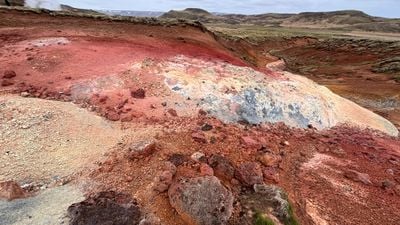
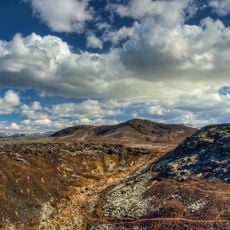
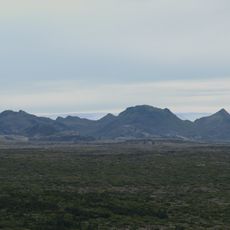
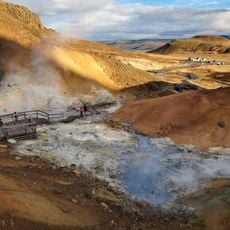
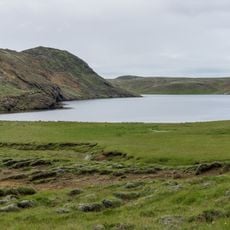
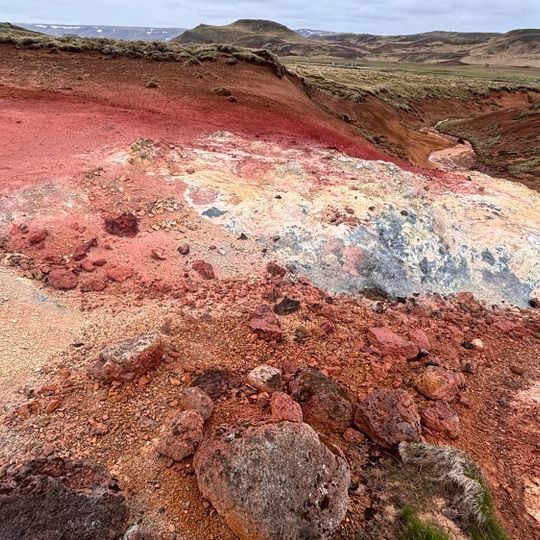
Seltún Geothermal Area is an active geothermal field in the Krýsuvík zone on the Reykjanes Peninsula in southwest Iceland. It consists of mud pots, hot springs, and steam vents spread across a colorful mineral landscape, all accessible via a wooden boardwalk.
The geothermal field sits on the Mid-Atlantic Ridge, where the Eurasian and North American plates are pulling apart, allowing heat and gases to reach the surface. In 1845, German scientist Robert Bunsen visited the field, and his observations of its sulfurous vents influenced his later laboratory research.
The ground at Seltún draws many visitors who come to photograph its shades of red, orange, yellow, and green. These colors come from minerals in the soil and shift in intensity depending on the light and time of day.
A car is the most practical way to reach the area, as there is no regular bus service; the drive from Reykjavík takes about 40 minutes. Visitors should always stay on the boardwalk, since the ground near the vents and mud pots can reach very high temperatures.
Just east of the road, two large mud pools called Fúlipollur, meaning 'the foul-smelling puddle', sit beside the main site. The level of mud and water in these pools shifts noticeably with the seasons, so the pools look different from one visit to the next.
The community of curious travelers
AroundUs brings together thousands of curated places, local tips, and hidden gems, enriched daily by 91,966 contributors worldwide.