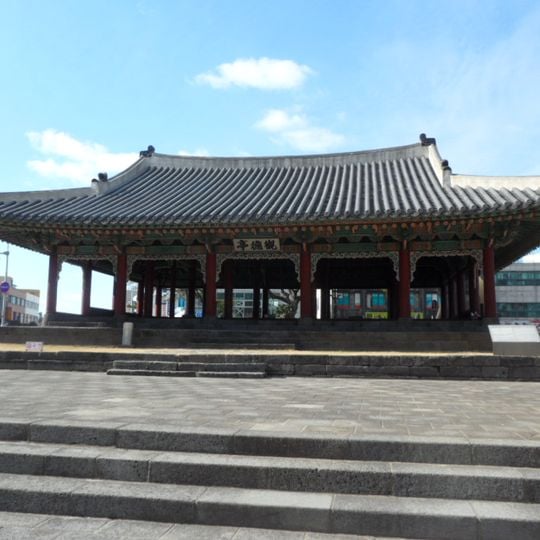
Gwandeokjeong, Historic pavilion in Jeju City, South Korea
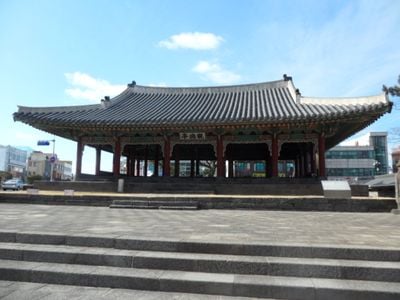
Gwandeokjeong is a 15th-century pavilion in central Jeju City, on Jeju Island, South Korea, and is classified as a National Treasure. The structure features a wide, curved tile roof, wooden pillars, and stone steps, and it sits within the broader Jeju Mokgwana government complex.
Gwandeokjeong was built in 1448 under King Sejong of the Joseon Dynasty as a training ground for soldiers. Centuries later, on March 1, 1947, the square in front of the pavilion became the site of a shooting by police during a public gathering, an event that fed the tensions leading to the April 3, 1948 Jeju uprising.
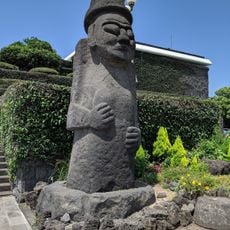
Gwandeokjeong stands next to the Jeju Mokgwana complex, which once served as the island's main government seat during the Joseon era. Around the site, visitors can spot dolharubang, the stone figures that are closely tied to Jeju's identity and are believed to offer protection.
The site sits in the old part of central Jeju City and is easy to reach on foot from many parts of downtown. Visiting in the morning tends to be quieter, which makes it easier to look around the courtyard and buildings without crowds.
The painted murals on the interior walls of Gwandeokjeong depict scenes from Joseon court life and are among the oldest surviving wall paintings in Korea. They can be viewed from inside the pavilion and offer a rare look at how official gatherings and ceremonies were recorded visually centuries ago.
The community of curious travelers
AroundUs brings together thousands of curated places, local tips, and hidden gems, enriched daily by 91,365 contributors worldwide.