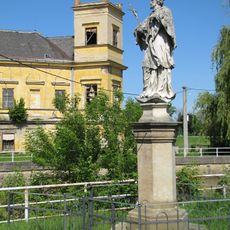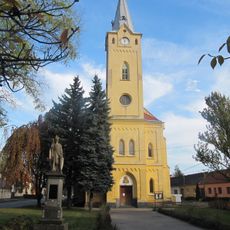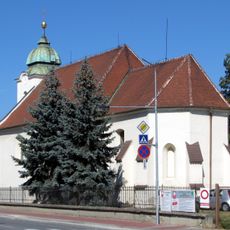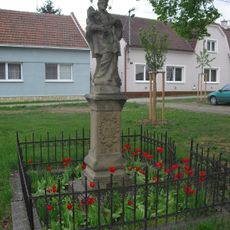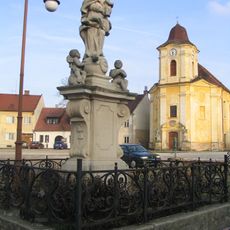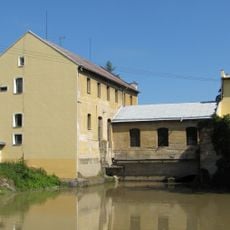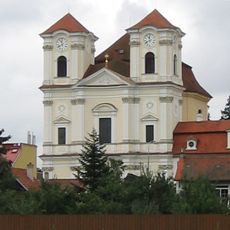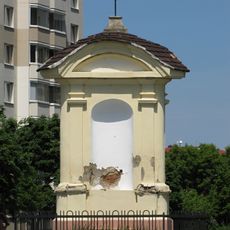
Moravian Slovakia, Ethnographic region in southeastern Moravia, Czech Republic
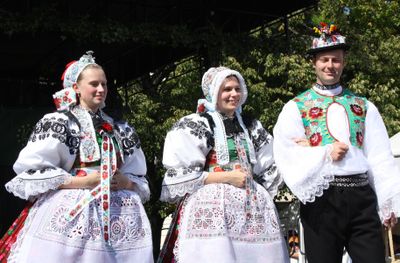
Moravian Slovakia is an ethnographic region spanning the southeastern part of Moravia, divided into six distinct landscape areas with their own character. Each subregion—Dolňácko, Horňácko, Podluží, Moravské Kopanice, Hanácké Slovácko, and Luhačovické zálesí—has its own geography, building styles, and local traditions.
The territory formed the core of the Great Moravian Empire in the 9th century, establishing the foundations of Slavic civilization in Central Europe. This early medieval power shaped regional development for centuries afterward.
Eastern Moravian dialects in the region blend Czech and Slovak languages, marking centuries of shared living and cultural exchange across borders. Visitors notice this linguistic blend in everyday speech, village names, and local expressions that tell a story of coexistence.
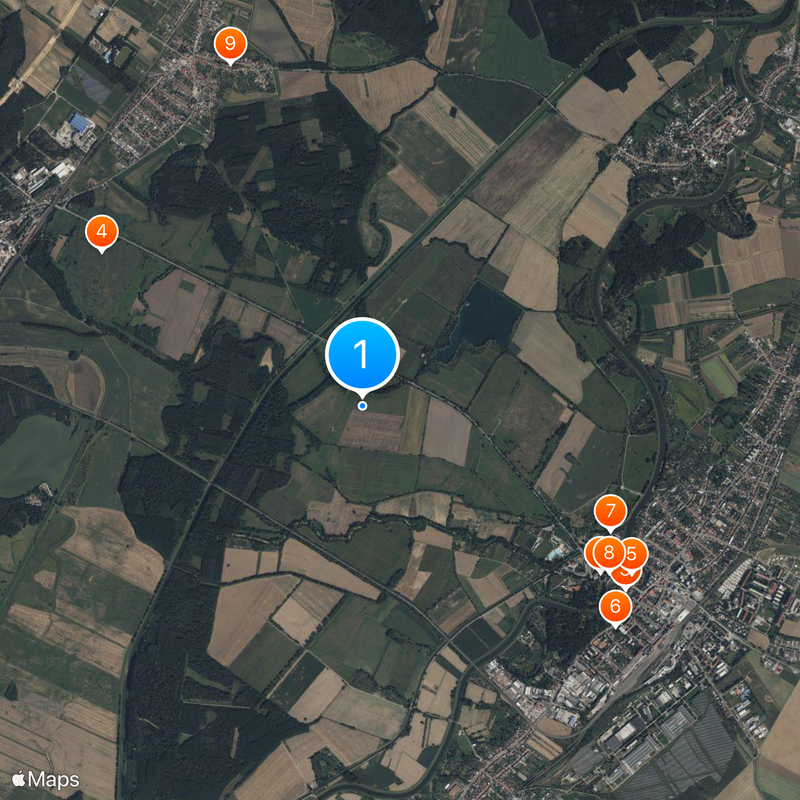
Visitors can explore numerous wineries across the region, especially in towns like Uherské Hradiště, Břeclav, and Strážnice offering wine tastings and local products. Fall is the ideal season for travel, when grape harvests and village celebrations take place.
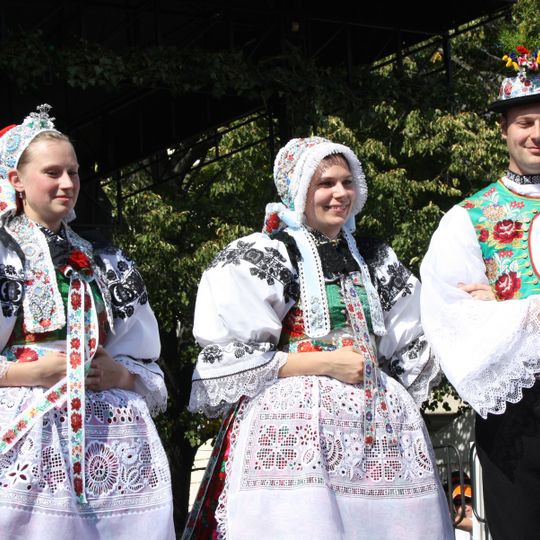
The Ride of the Kings Festival in Vlčnov features a striking tradition where a young boy rides on horseback through the village dressed in ceremonial women's clothing. This distinctive ritual, rarely seen elsewhere, becomes the highlight of regional celebrations each year.
The community of curious travelers
AroundUs brings together thousands of curated places, local tips, and hidden gems, enriched daily by 60,000 contributors worldwide.