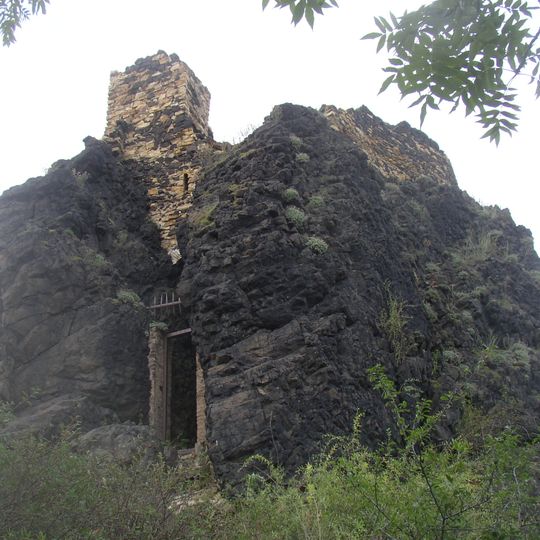
Kamýk Castle, Gothic castle ruin in Litoměřice, Czech Republic
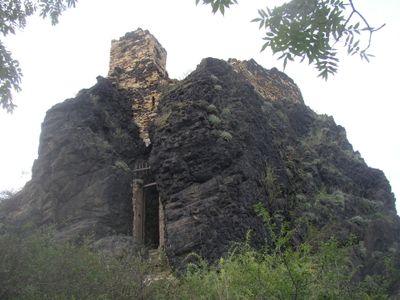
Kamýk Castle is a Gothic castle ruin situated on elevated ground, with fragments of inner walls indicating the original medieval layout. The footprint of former rooms and internal structures remains visible in the remaining stonework.
The first written mention dates from 1319, when King John of Luxembourg granted the fortress as a hereditary fief to Jindřich of Kamýk. In 1352 Charles IV gave it in fief to Zbyněk Zajíc of Hazmburk. In 1547 Vilém Kamýcký of Lstiboř had it rebuilt, but it was abandoned by 1600 and devastated by Saxon troops in 1632.
The ruins hold official status as a cultural monument of the Czech Republic and display Gothic architectural traits. Visitors can observe traces of medieval construction methods in the remaining stonework.
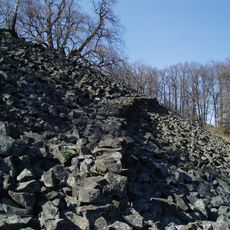
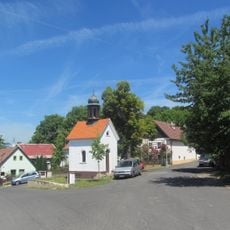
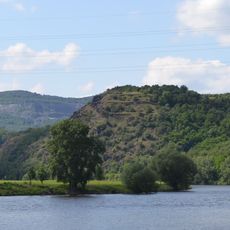
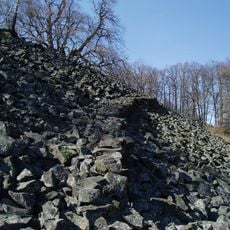
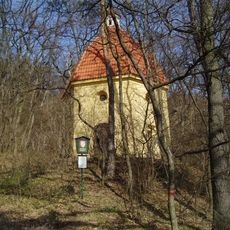
The ruin stands on a basalt spur at 350 metres above sea level above the village of Kamýk near Litoměřice, in the České středohoří, not south of Prague. A blue-marked hiking trail runs around the castle hill, and the ruin is freely accessible all year. The summit itself is closed off by a gate, but the hilltop still gives views of the surroundings.
In local tradition the ruin was called "the steep tooth" because its silhouette resembled a tooth. Around 1885, preservation work began in preparation for a planned reconstruction that never happened. The Romantic painter Ernst Ferdinand Oehme depicted it around 1852 in "Die Ruine von Kamaik".
The community of curious travelers
AroundUs brings together thousands of curated places, local tips, and hidden gems, enriched daily by 92,345 contributors worldwide.