Hlučín Region, Historical region in Moravian-Silesian Region, Czech Republic
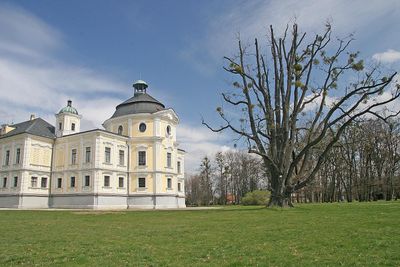
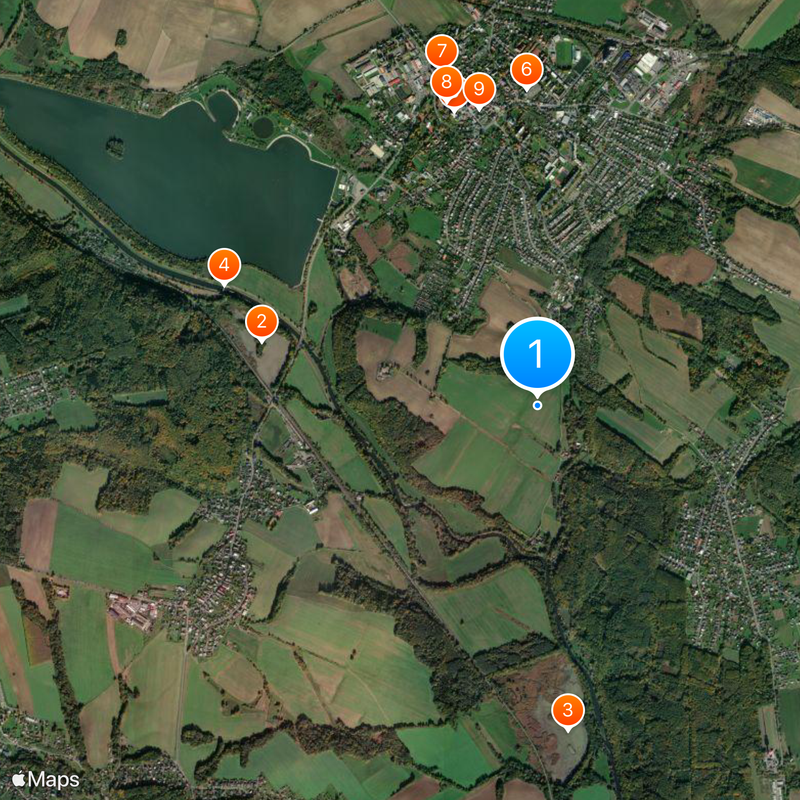
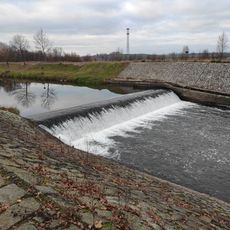
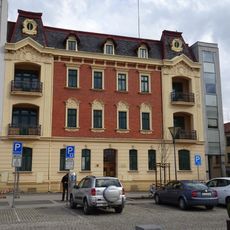
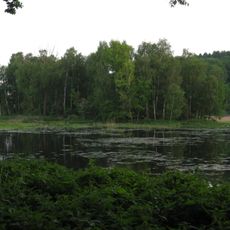
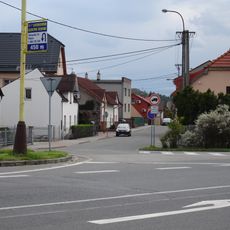
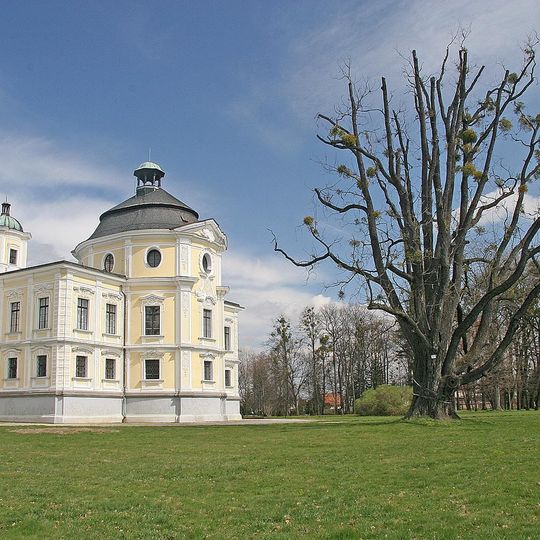
The Hlučín Region is an area of fields, forests, and small settlements in northeastern Czech Republic, stretching between mountain ranges. The land is shaped by around 27 communities, whose largest settlements are Hlučín, Kravaře, and Dolní Benešov.
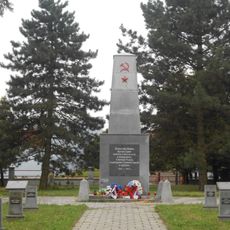
The area came under Prussian rule in 1742 following military conflict and remained a Silesian region for well over a century. During the 20th century it changed hands and became part of Czechoslovakia.
The region keeps alive strong Moravian traditions through local celebrations and folk performances that reflect the heritage of its communities. You can experience traditional music and crafts during these events, which remain woven into the life of the settlements today.
This area is best explored by car, as roads connect the various communities and allow you to choose which places to visit at your own pace. If you prefer walking, the main towns offer starting points for shorter excursions through the surrounding countryside.
The area experienced significant population changes after the Second World War that set it apart from other parts of the region. These shifts continue to shape the makeup and local identity of the communities today.
The community of curious travelers
AroundUs brings together thousands of curated places, local tips, and hidden gems, enriched daily by 91,875 contributors worldwide.