Ostrov Castle, Neoclassical castle in Ostrov, Czech Republic.
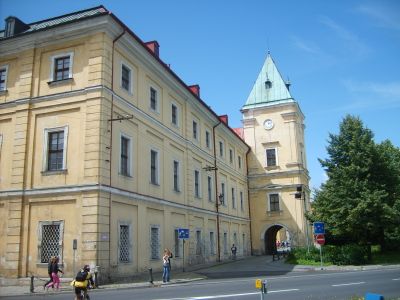
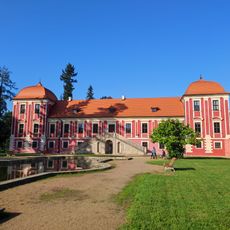
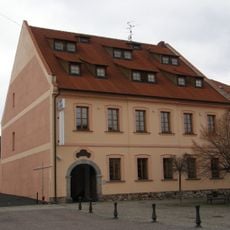
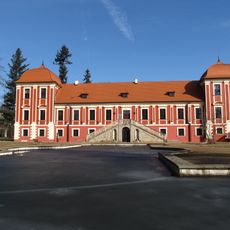
Ostrov Castle is a neoclassical château in Ostrov that stands out for its clean geometric forms and symmetrical design across the facade. The structure combines classical Greek and Roman architectural principles with multiple buildings and wings that form a fully developed castle complex.
A Šlik residence is documented in writing in 1545; after the family lost its estates following the Battle of White Mountain, Emperor Ferdinand II granted Ostrov to Julius Henry of Saxe-Lauenburg in 1623, and in 1650 a new early Baroque castle was built, with Christoph Dientzenhofer and Giulio Broggio involved. A fire on 14 September 1795 left only the outer walls, the 1690 portal and some details, and the Neoclassical rebuilding that followed gave the castle its present form.
The castle now houses municipal offices, a library, a gallery, and a museum, serving as a center for local administration and cultural activities. Residents use the spaces for local events and regular exhibitions that display the region's history.
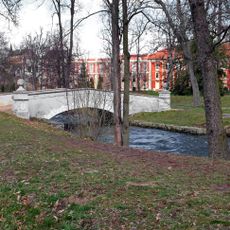
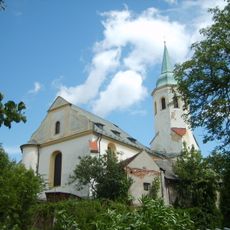
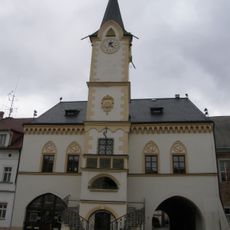
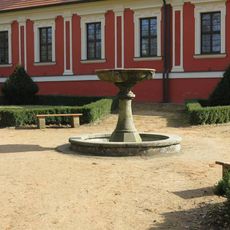
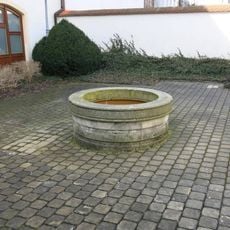
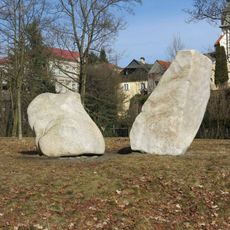
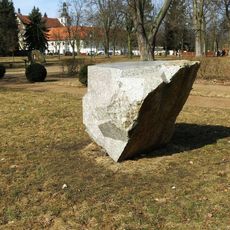
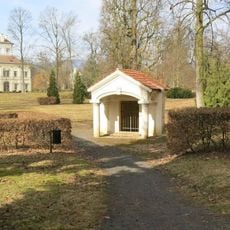
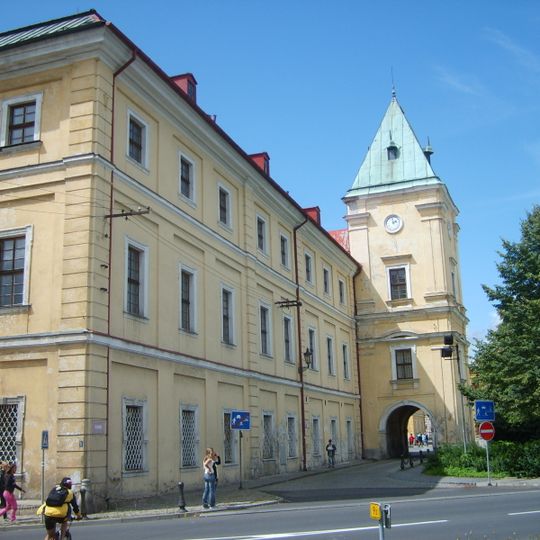
The castle complex is made up of several buildings of different periods, with an eleven-hectare park, a summerhouse and other small structures on its western side. The buildings reopened after a large reconstruction in 2012–2014 and now hold the municipal office, the town library and exhibition spaces. A memorial plaque on the facade recalls the victims of the Nazi camp housed here during the Second World War.
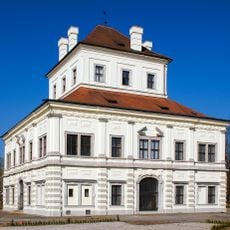
Within the castle complex stands the White Tower, a separate building constructed between 1673 and 1679 by architect Abraham Leutner as a summer residence. This independent structure displays a different period and building style than the main palace.
The community of curious travelers
AroundUs brings together thousands of curated places, local tips, and hidden gems, enriched daily by 93,846 contributors worldwide.