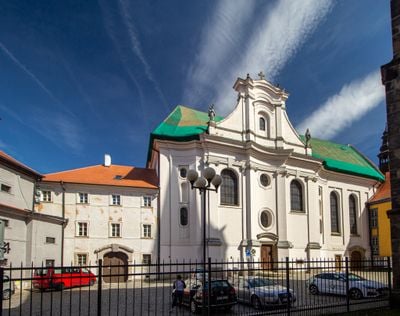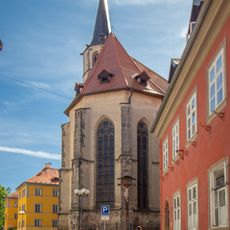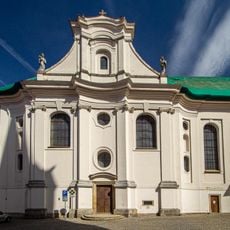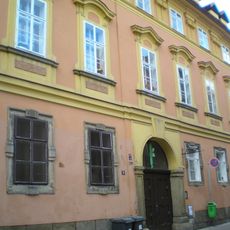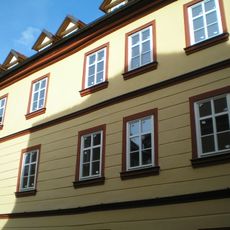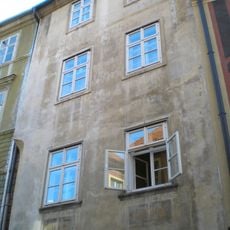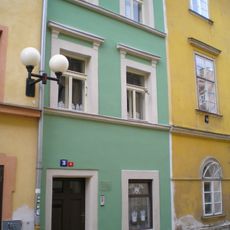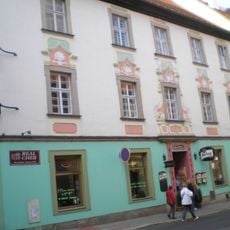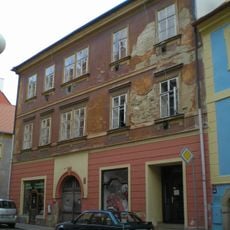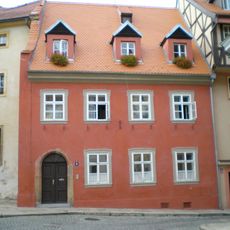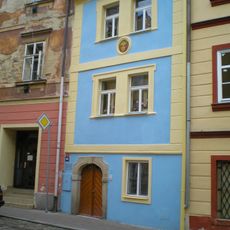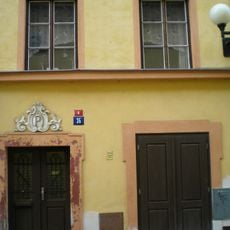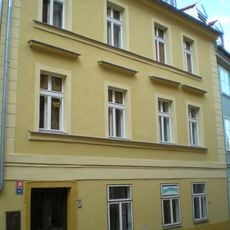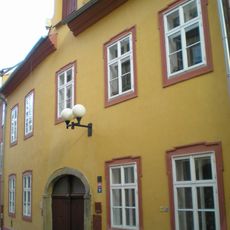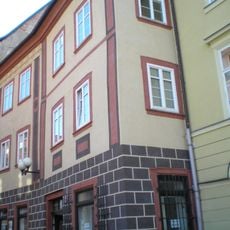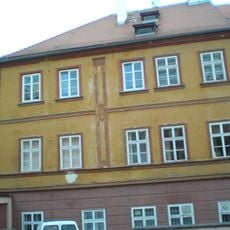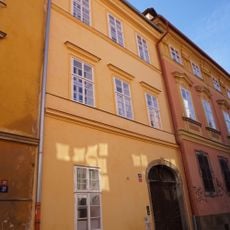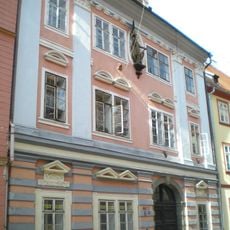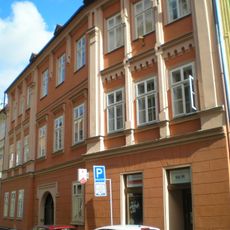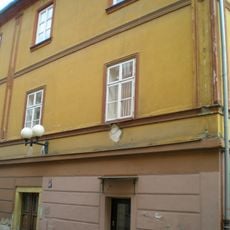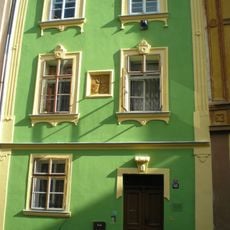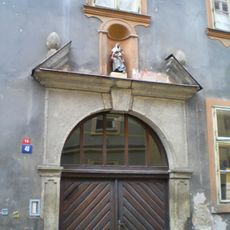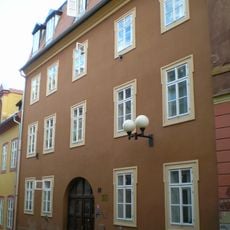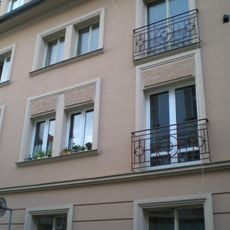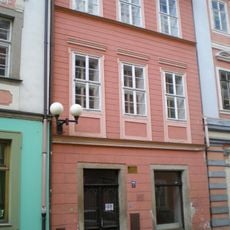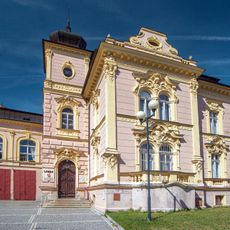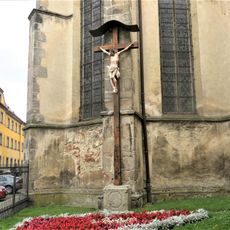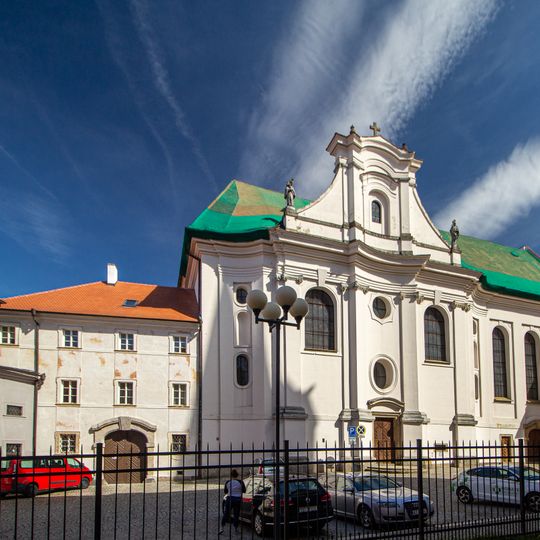
Poor Clares convent in Cheb, Female monastery in Cheb, Czech Republic.
The Poor Clares convent in Cheb is a former monastery of the Order of Poor Clares, founded shortly before 1270 and rebuilt after the town fire of that year, with a documented royal donation from 1273. Its buildings later took on baroque form, associated with Christoph Dientzenhofer, and the complex is a cultural monument of the Czech Republic. The nuns supported themselves by making silver- and gold-wire reliquary frames and wax candles and by baking gingerbread and sweets.
The convent's origins lie just before 1270, when a city fire struck Cheb; chronicles record its rebuilding in 1288. The first documented proof is a donation by King Ottokar II in 1273. It belonged to the Diocese of Regensburg, and by the early 14th century it held estates in villages such as Rohr, Kornau and Stabnitz; in 1347 it acquired Grün, later Nonnengrün.
The nuns supported the convent by making reliquary frames and holy pictures from silver and gold wire, and by baking sweets such as Nonnen-Griefen and Maschellen, which they sold. The Cheb antependium, a Romanesque embroidery they produced, is kept in the Cheb Museum.
The site is currently used by the State Archives of Cheb, which provides access to historical documents and records for visitors and researchers. Plan adequate time for your visit, especially if you wish to explore the collections held within the complex.
The nuns supported the convent by making silver- and gold-wire frames for relics and holy images, wax candles, and sweets such as Nonnen-Griefen and Maschellen, which they sold along with herbal and stomach waters and mithridatium as remedies. The Eger Antependium, a Romanesque embroidery they produced, is kept in the Cheb museum.
The community of curious travelers
AroundUs brings together thousands of curated places, local tips, and hidden gems, enriched daily by 94,022 contributors worldwide.