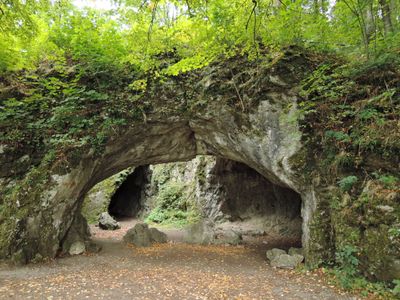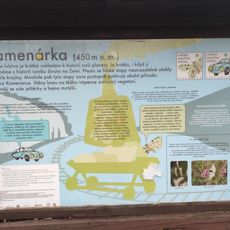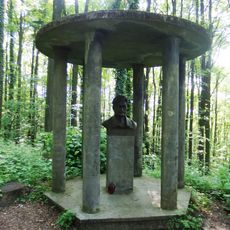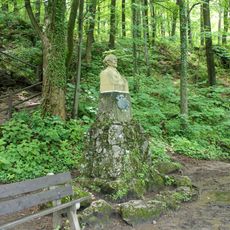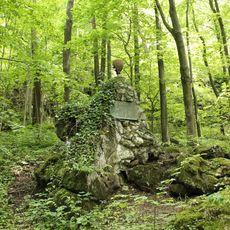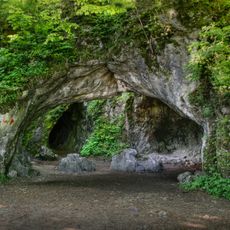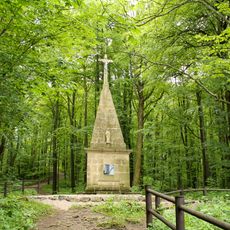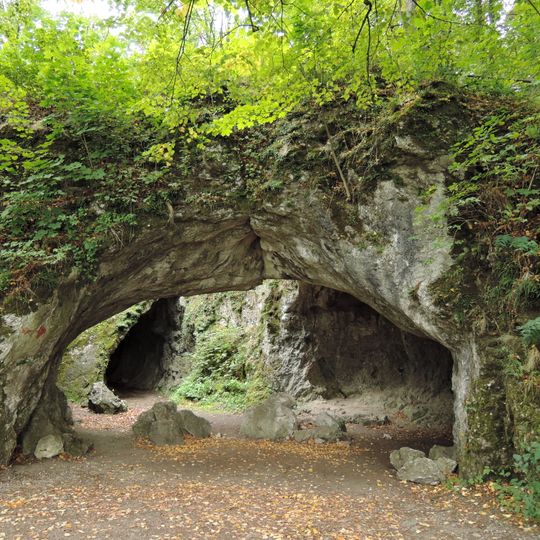
Šipka, Prehistoric cave in Štramberk, Czech Republic.
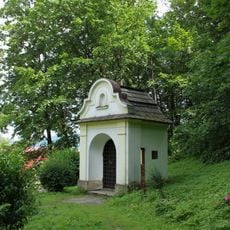
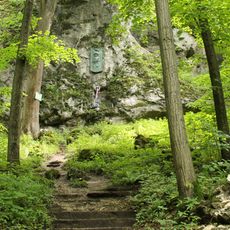
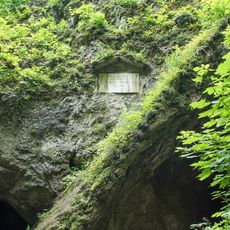
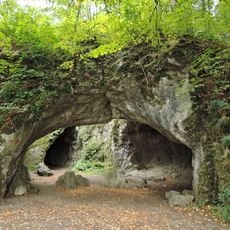
Šipka is a limestone cave inside Kotouč hill near Štramberk, made up of two main sections known as the Badger Hole and the Dripstone Corridor. The passages run through the rock and connect to marked trails that link to other nearby landmarks.
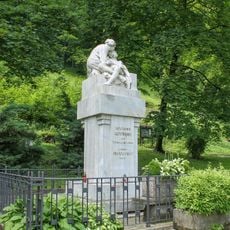
The archaeologist Karel Jaroslav Maška excavated the cave between 1879 and 1893 and found signs of Neanderthal presence. A jawbone uncovered in 1880 was among the first evidence of early humans in Central Europe.
The name Šipka means "rosehip" in Czech, likely referring to the shape of the surrounding hill. The cave is also known as the Badger Hole and the Dripstone Corridor, and its name appears in Esperanto as Kaverno Ŝipka and in Hebrew as מערת שיפקה.
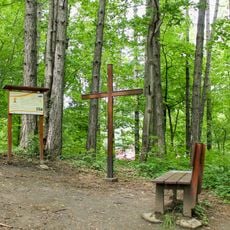
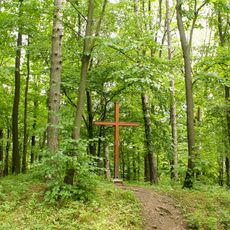
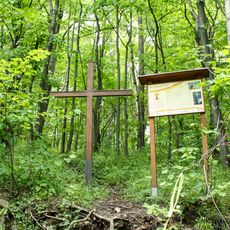
The cave sits on Kotouč hill and is reached by marked walking trails that can be steep in places. Sturdy shoes are a good idea, as some sections become slippery after rain.
The 1880 find at Šipka was the first discovery of Neanderthal remains in their cultural context, alongside Mousterian tools and traces of hearths. Excavations by Karel Jaroslav Maška from 1879 to 1893 also showed the cave was alternately inhabited by Neanderthals and cave bears.
The community of curious travelers
AroundUs brings together thousands of curated places, local tips, and hidden gems, enriched daily by 92,122 contributors worldwide.