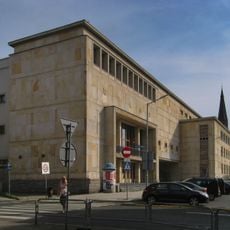
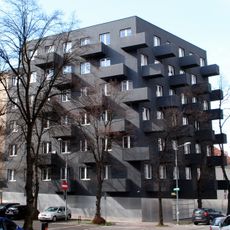
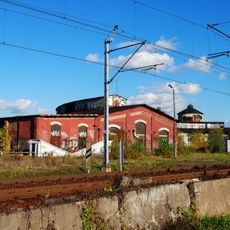
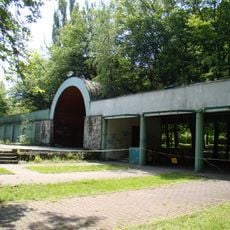
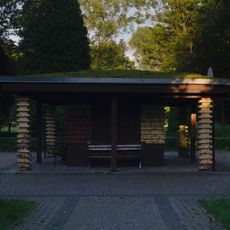
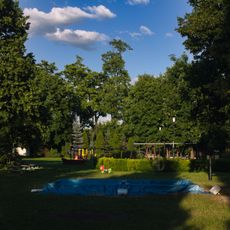
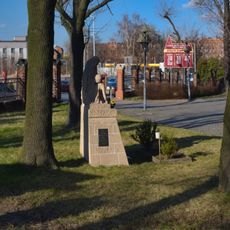
Upper Silesian Coal Basin, Coal basin in Silesian Voivodeship, Poland.
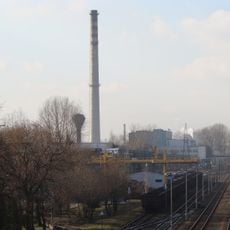
The Upper Silesian Coal Basin is a large coal deposit in southern Poland, stretching across the Silesian Voivodeship and into parts of the Czech Republic. The coal seams sit beneath layers of limestone, sandstone, and clay, making this one of the largest coal fields on the continent.
The first documented mining works in the region date back to the 18th century, when small pits were opened to meet growing demand for coal. During the 19th century, industrial expansion transformed the basin into one of the main engines of growth in Central Europe.
Mining traditions remain visible in everyday life across the region, from the clothes people wear to the food served at local gatherings. The feast of Saint Barbara on December 4, the patron of miners, is still celebrated with processions and music in many towns.
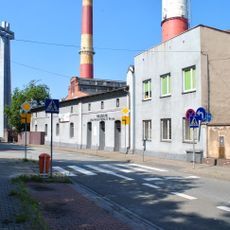
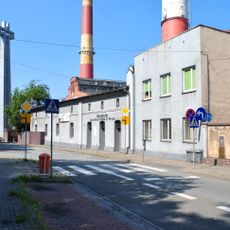
Several museums and former mine sites in cities like Katowice, Zabrze, and Bytom offer guided tours and exhibitions about mining history. Some underground visits require booking in advance, so checking availability before arriving is a good idea.
Underground lakes have formed in some abandoned mine galleries over time, fed by water filtering through the rock. The water in these underground pools often takes on orange or red tones from the minerals it carries, creating a striking contrast with the dark tunnel walls.
The community of curious travelers
AroundUs brings together thousands of curated places, local tips, and hidden gems, enriched daily by 90,833 contributors worldwide.