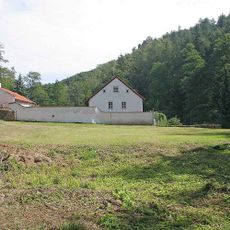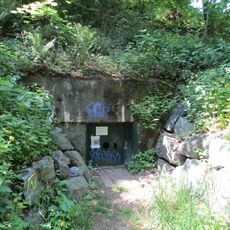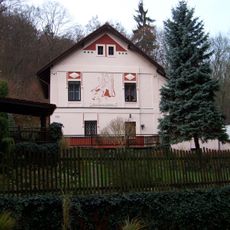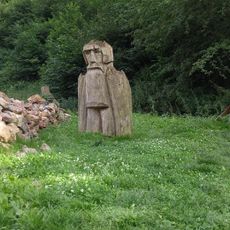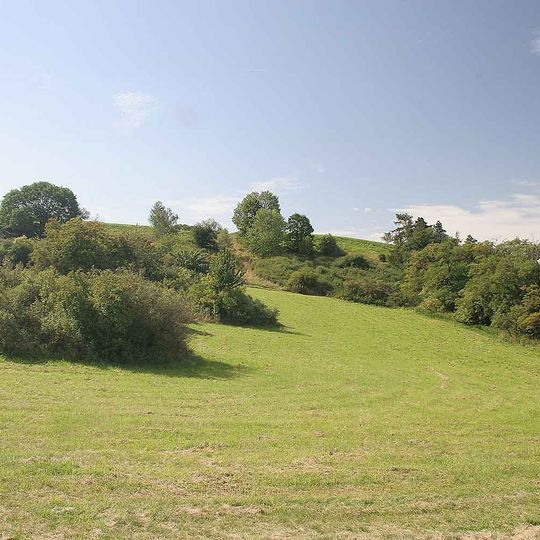
Sharka Gord, Ancient hillfort in Liboc and Vokovice, Czech Republic.
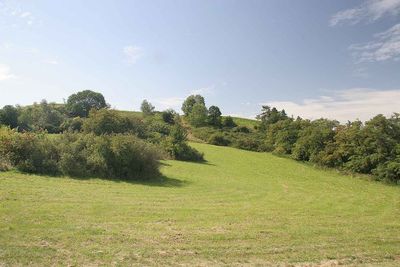
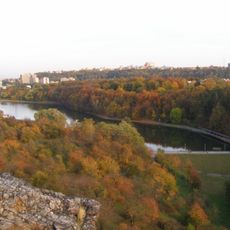
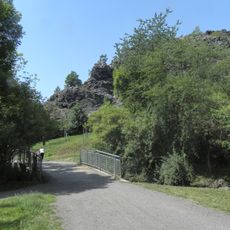
Šárecké hradiště is a three-part early medieval hillfort of 25 hectares on the border of Liboc and Vokovice, 820 m long and 220–270 m wide. Its acropolis on Kozákova skála rises 20–30 m above the inner bailey of about 12.5 ha and the outer bailey of about 9.5 ha; the ramparts survive as earthen banks, and the original wall was dry-laid opuka stone faced with a 6.5 m wide, 1.5 m deep ditch.
Neolithic pottery from Šestákova skála gave the final phase of the Linear Pottery culture its name, the Šárecký type. The hilltop was then settled by the Řivnáč culture in the Eneolithic, followed by Únětice and Štítary cultures in the Bronze Age and Hallstatt occupation. The early medieval hillfort probably arose in the 8th century, peaked in the mid-9th, and lost importance after Prague Castle was founded; some parts remained inhabited into the 10th century.
The site's name comes from Divoká Šárka, the wild valley around the Džbán gorge. Archaeologists found Avar belt fittings and West Frankish coins here, showing trade and elite links. Jiří Sláma suggested it may be the fortress Canburg, besieged for 40 days in 805 by Charlemagne's army.
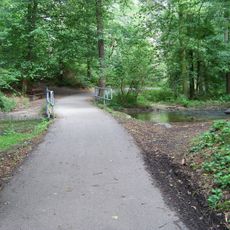
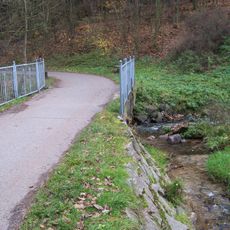
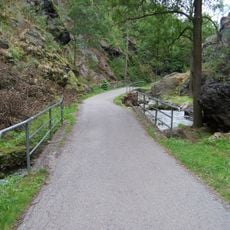
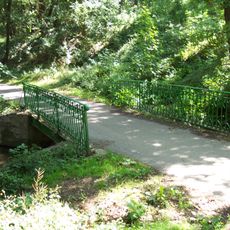
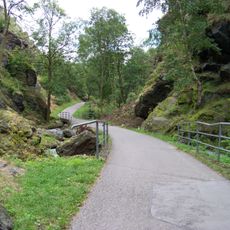
The site can be accessed via marked hiking trails that lead across the hillfort. Good footwear is recommended since the terrain can be muddy or uneven, especially during wet weather.
Archaeologist Jiří Sláma suggested this hillfort may be the Canburg that Charlemagne's armies besieged for forty days in 805 without success. The site also yielded Avar belt fittings and West Frankish coins, and its final phase of Linear Pottery culture was named the Šárecký type after pottery found on Šestákova skála.
The community of curious travelers
AroundUs brings together thousands of curated places, local tips, and hidden gems, enriched daily by 92,151 contributors worldwide.