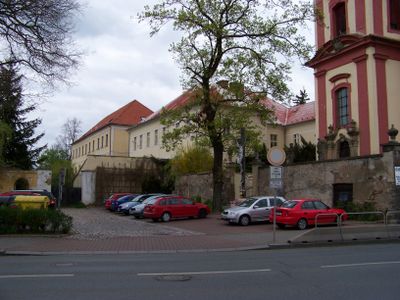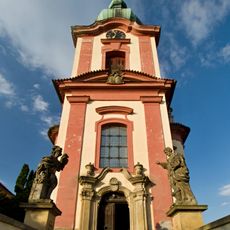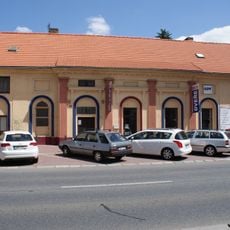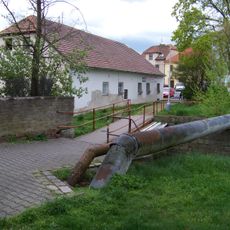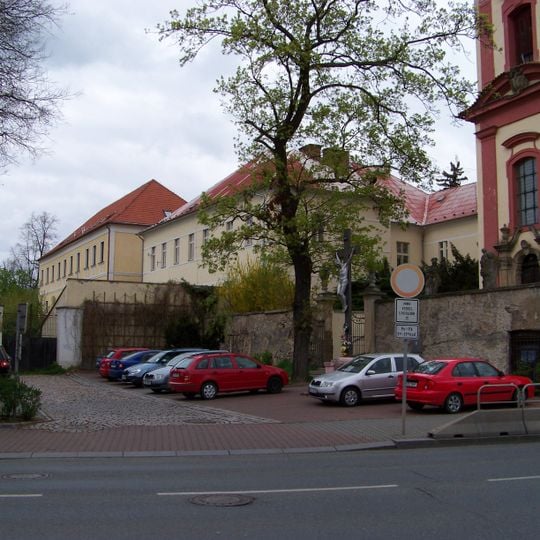
Uhříněves Castle, Renaissance château in Uhříněves, Czech Republic.
Uhříněves Castle is a rectangular, single-storey Renaissance building with a plain central projection, built at the end of the 16th century by Jan Smiřický on the core of an older manor house. Farm buildings adjoin it on the north side. It was rebuilt in its present Baroque form in 1711 for Jan Adam of Liechtenstein.
Jaroslav I. Smiřický bought Uhříněves in 1579 and had a Renaissance castle built on the farmyard site in 1591; the old fortress then served as an oil press, stables and granary. Swedish troops sacked and burned it in 1639, and Jan Adam Ondřej of Liechtenstein gave it its present Baroque form in 1711. The Liechtensteins held it until the 1919 land reform.
The castle's name comes from the village of Uhříněves, first recorded in 1227 as property of the St. George convent. The ground floor housed the estate administration and its staff flats, while the first floor held the manorial offices, the steward's rooms and the furnished noble chambers.
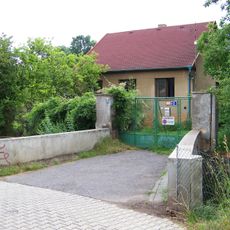
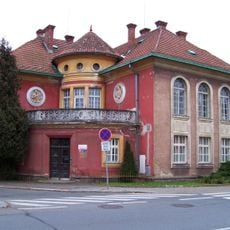
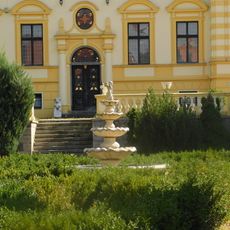
The castle grounds are closed to the public; the complex serves the Institute of Animal Science, so visits are limited to viewing the exterior from the surrounding streets. The neo-baroque villa at Rozdělená 240/8, now the Hotel Na Zámečku, is often mistaken for the castle on postcards.
The castle has been closed to the public since 1951, when the Research Institute of Animal Production moved into the grounds from Prague-Dejvice; it still uses the site today. The nearby neo-baroque villa at Rozdělená 240/8, built in 1900 for Jan II's estate director Ferdinand Böhm, is often mistaken on postcards for the castle itself.
The community of curious travelers
AroundUs brings together thousands of curated places, local tips, and hidden gems, enriched daily by 92,712 contributors worldwide.