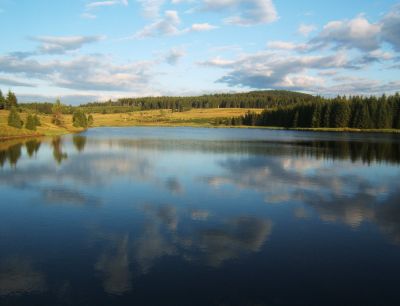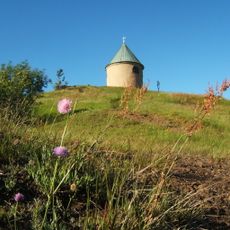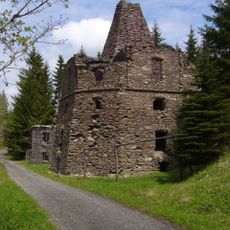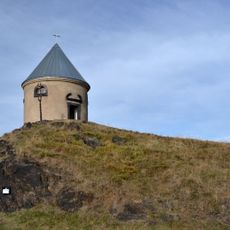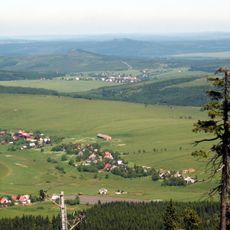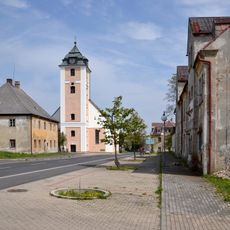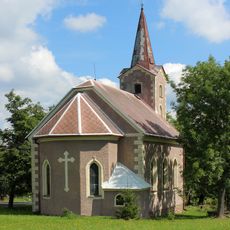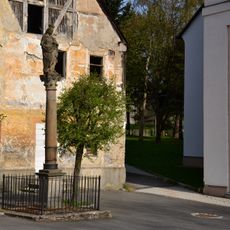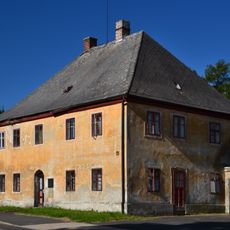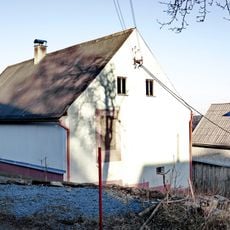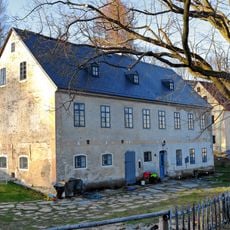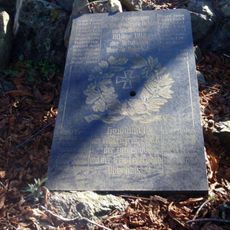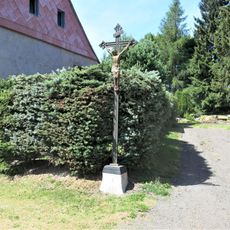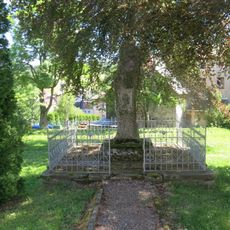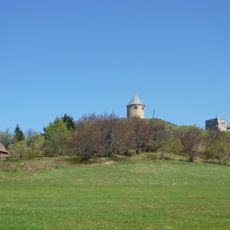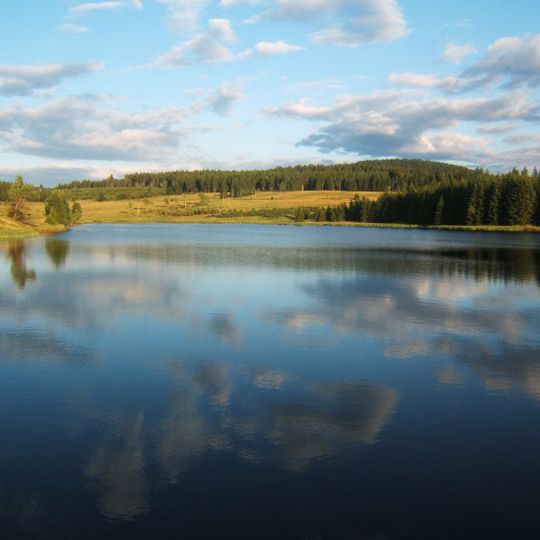
Kraina Rudaw, Geomorphological subprovince in northern Czechia.
The Erzgebirgs-Subprovince spans mountainous terrain with metamorphic rock formations and numerous valleys situated between the Czech Republic and Germany. The landscape shows a complex geological structure with varied mineral deposits appearing at different elevations throughout the region.
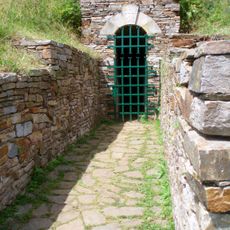
Medieval miners extracted large quantities of silver, tin, iron, and copper from the mountains, which led to the establishment of numerous settlements throughout the area. This mining activity shaped settlement patterns and regional development for centuries afterward.
Mining traditions shape how locals view their landscape and celebrate their heritage through festivals that demonstrate historical extraction methods. Visitors can observe skilled craftspeople working with metals and materials in ways that reflect centuries of local knowledge.
Hiking trails wind through the area connecting mineral sites, with informational geological panels positioned along the routes to explain the formations. Visitors should wear weather-resistant clothing since the mountainous location can experience sudden weather changes.
The area comprises two distinct mountain divisions called Klínovecká hornatina and Loučenská hornatina, each with its own rock formations and mineral compositions. This geological split creates a varied landscape with different mineral deposits found across relatively short distances.
The community of curious travelers
AroundUs brings together thousands of curated places, local tips, and hidden gems, enriched daily by 90,934 contributors worldwide.