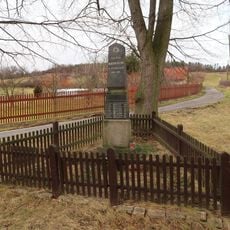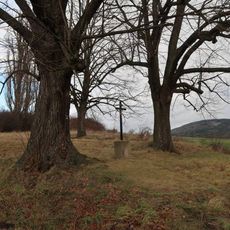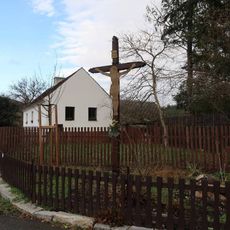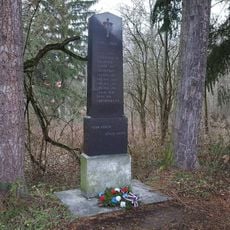
Vinice, Natural monument and protected area in Jince, Czech Republic.
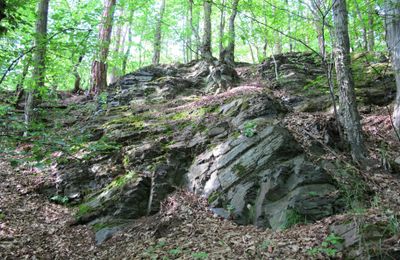
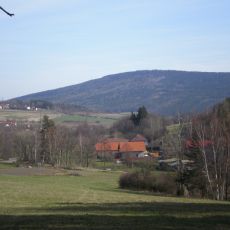
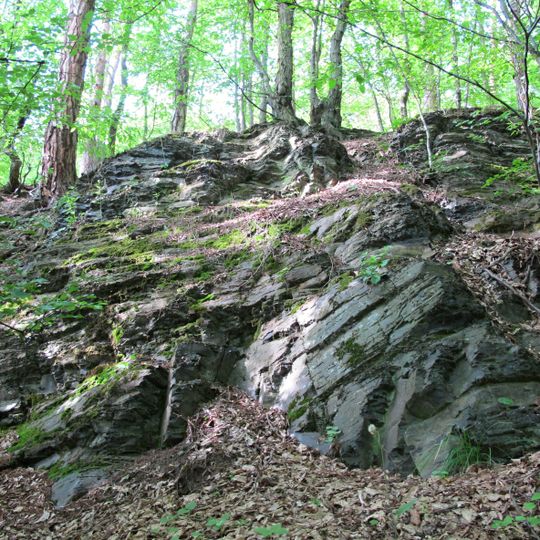
Vinice is a 42.18-hectare forested natural monument on a southwest-facing rocky slope above the Litavka river near Jince station, declared in 1999. Its outcrops of the Middle Cambrian Jince Formation consist of yellow-grey siltstones, greenish greywacke shales and hard quartzites, and the site is known for trilobites such as Paradoxides gracilis and Hydrocephalus minor.
Vinice was declared a natural monument by the Příbram District Office on 30 April 1999, covering 42.18 ha of wooded slope above the Litavka. Its fame is older: the Jince Cambrian fossil beds were known from the second half of the 18th century, and Joachim Barrande studied them in the 19th century. Between 1806 and 1852 vines were unsuccessfully planted here, likely giving the site its name.
The name Vinice ("vineyard") probably comes from an attempt to grow vines here between 1806 and 1852, which failed because of poor soil and lack of water. The exact spot of that vineyard can no longer be determined. A 17.3 km educational trail from Jince to Olymp Brd passes through the territory.
The area is accessible via marked pathways throughout the year and can be visited in any season. Spring and summer offer the best conditions if you want to observe plants and animals actively.
Illegal collecting of trilobites is the main threat to the site, and conservationists have proposed banning the sale of fossils from the Jince Formation and coordinating with criminal police. Collecting also damages the rare plants on the rocky slopes, among them Centaurea triumfettii and Pulsatilla pratensis subsp. bohemica.
The community of curious travelers
AroundUs brings together thousands of curated places, local tips, and hidden gems, enriched daily by 92,399 contributors worldwide.