Letenský profil, Natural monument at Letná, Czech Republic.
Letenský profil is a natural monument made of two separate parcels on the slopes of Letná in Prague, in Holešovice and Hradčany. It exposes the Letná Formation, with layers of greywacke, quartzite and sandy shale dipping 35–45° to the southeast, in beds 6–12 cm thick. The eastern part shows natural rock outcrops, the western part artificial cuts.
Quarrying on Letná is documented as early as 1332, when stone was taken for repairs to Judith Bridge under a mining permit from King John of Luxembourg. The outcrop was later used as vineyards and then parkland. It was declared a natural monument on 4 July 1988 under decree 5/1988, protecting the Letná Formation profile and its fossils.
The trilobite species Deanaspis goldfussi, Dalmanitina socialis and Ecoptochile clavigera were found here, mostly in limestone concretions 3 to 5 cm below the top edge of a layer. Many shells lie in an "inverted position", with the dorsal side facing down. Numerous bioglyphs, traces left by animals moving over the sea floor, cover the harder greywacke and sandstone surfaces.
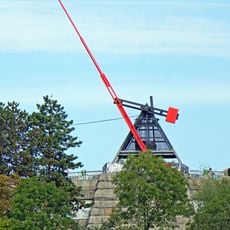
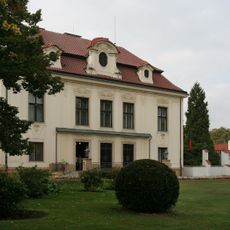
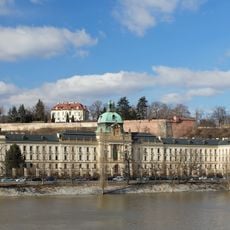
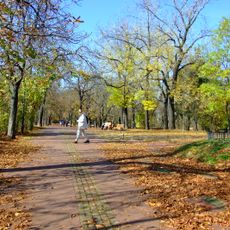
The monument lies on the left bank of the Vltava in Holešovice, on the southeast-facing slope of Letenské sady below the Hanavský pavilion and Kramářova vila, northwest of Čechův most. A second, smaller parcel sits above Pod Bruskou street in Hradčany. The rock faces are viewed from the paths and streets at their foot, not from above.
Fossilized remains of ancient sea creatures are preserved within the rock layers, including shells and traces of tiny organisms. These discoveries prove that a shallow ocean once covered this location.
The community of curious travelers
AroundUs brings together thousands of curated places, local tips, and hidden gems, enriched daily by 93,896 contributors worldwide.