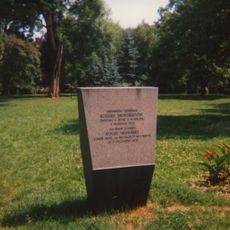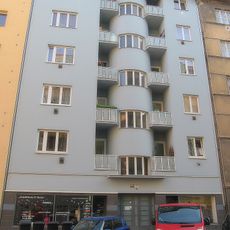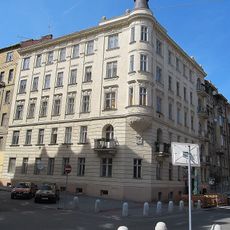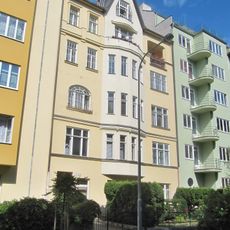
Hus congregation, Cultural monument in Veveří, Czech Republic
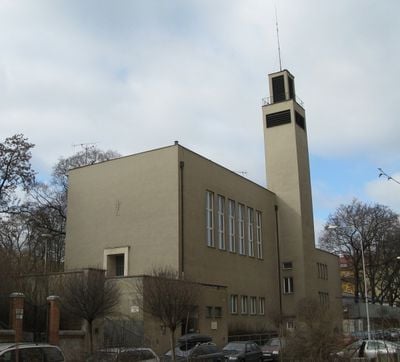
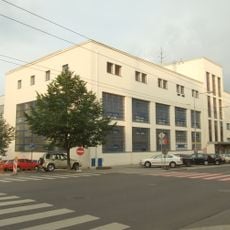
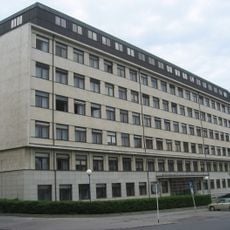
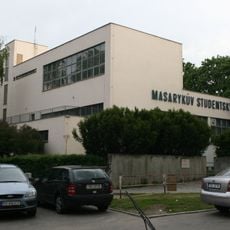
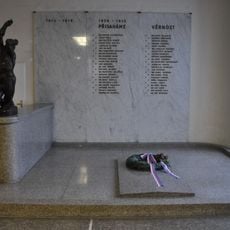
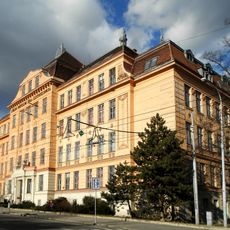
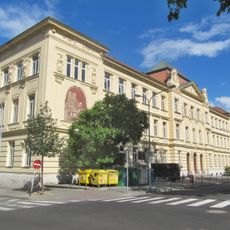
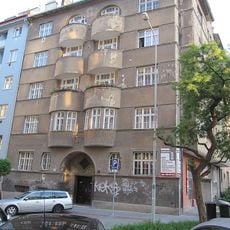
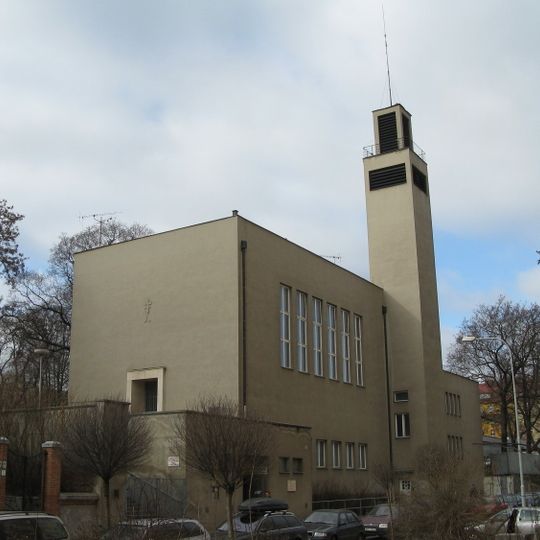
The Hus congregation building in Veveří is a church and cultural monument designed by architect Jan Víšek using modern design principles. It combines spaces for religious services and theater performances under one roof.
The building was completed in 1929, marking the period after World War I when the newly independent Czechoslovakia was developing its own architecture and identity. It exemplifies the modernization that extended to religious spaces.
The building remains an active gathering place for the Hussite Church community to hold services and events. It reflects the desire to bring together faith and community life within a modern shared space.
Note that the building functions primarily as a community gathering place rather than a tourist venue, so advance inquiry about visiting times is helpful. The interior and its features are best appreciated when you understand its current use as an active religious and cultural space.
The unusual feature is the integration of theater spaces within the church building itself, showing how 1920s architects created room for different types of gatherings. This dual-purpose design was quite unconventional for its era.
The community of curious travelers
AroundUs brings together thousands of curated places, local tips, and hidden gems, enriched daily by 92,525 contributors worldwide.