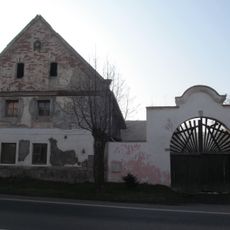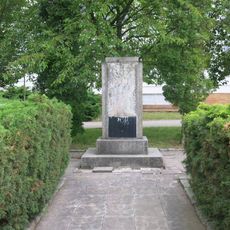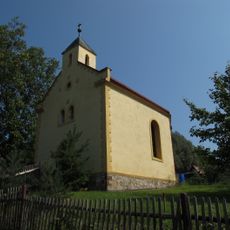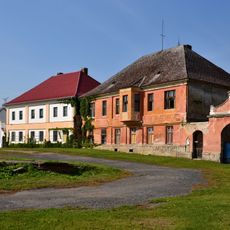
Písečný vrch, nature reserve and cultural monument in Bečov, Czech Republic
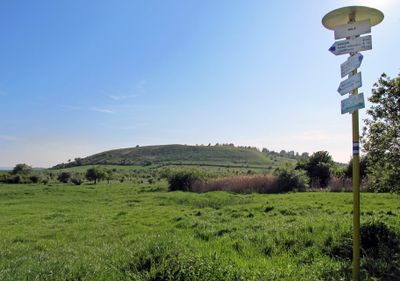
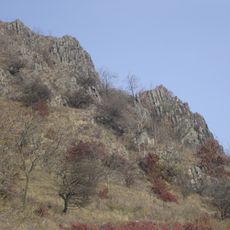
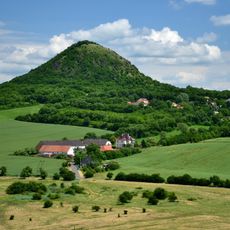
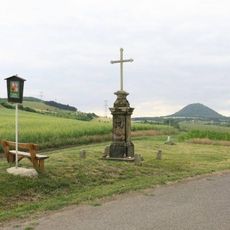
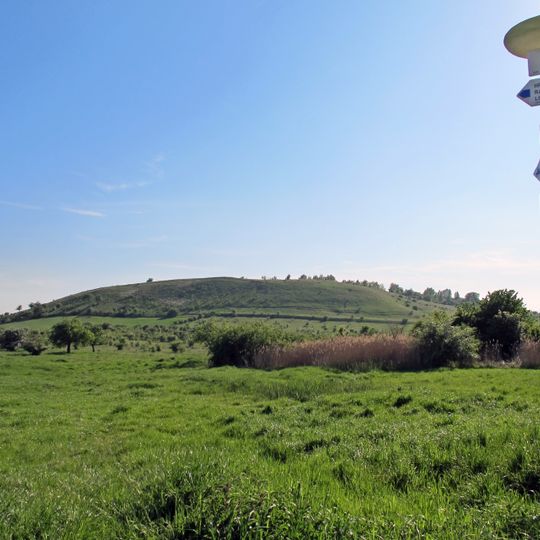
Písečný vrch is a 318-metre hill and nature reserve in the České středohoří, 1.4 km southwest of Milá. Its elliptical ridge, about 1100 by 500 metres, is built of volcanic breccia rich in xenoliths of Cretaceous marl, limestone, older basalt and Proterozoic gneiss, with quartzite boulders on the slopes.
The site was mined for about thirty years starting in 1960 to extract a material called sluňák. This mineral was an important raw material for making semiconductors and laboratory glass before operations stopped in 1993.
The site was occupied in prehistoric times, as shown by discoveries of quartz tools made here. These artifacts reveal that people have used this location for thousands of years.
The site is accessible via a blue-marked hiking trail that connects the volcanic formations of Milá and Raná. The path offers good conditions for walking and allows visitors to experience the geological features from different angles.
The quartzite that once covered the hill was mined until 1993 for semiconductors and laboratory glass. During rescue excavations around 1970, archaeologists found Europe's oldest known quartzite quarry, where Stone Age people knapped the sugary-textured rock into tools.
The community of curious travelers
AroundUs brings together thousands of curated places, local tips, and hidden gems, enriched daily by 92,159 contributors worldwide.