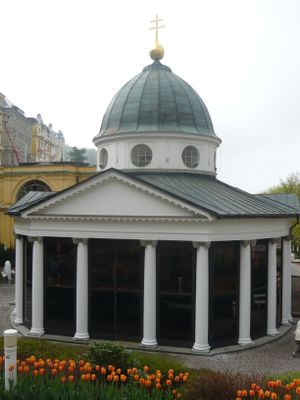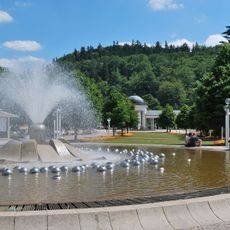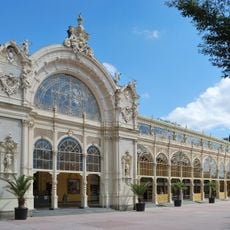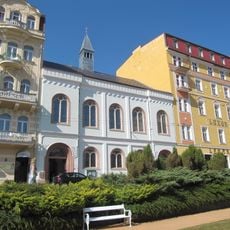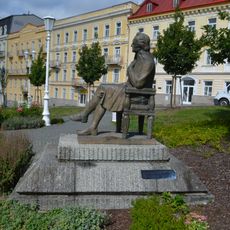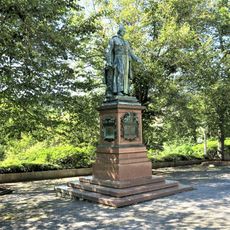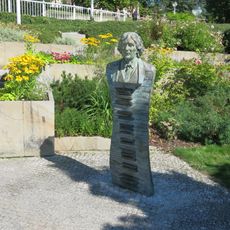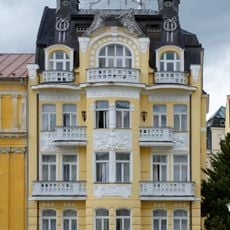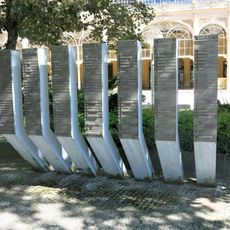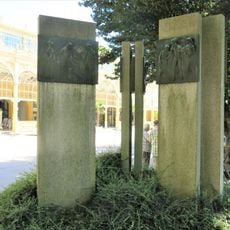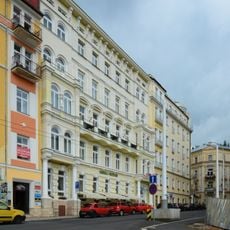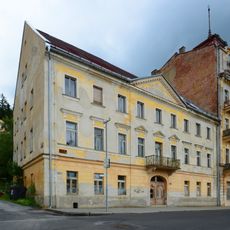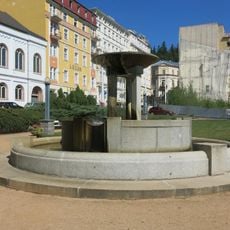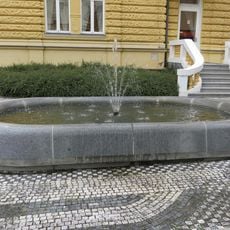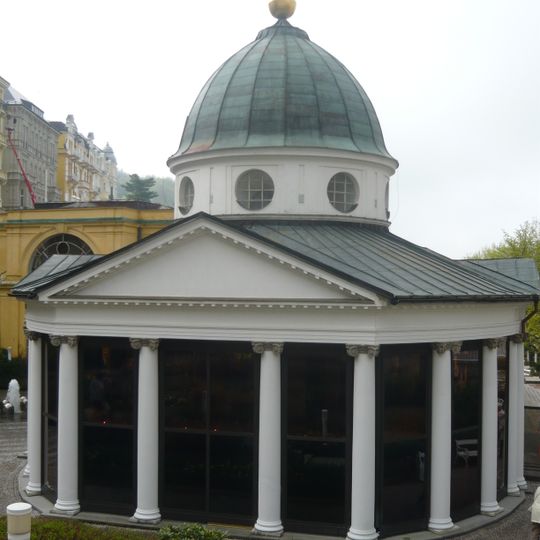
Kreuzquelle, Natural mineral spring in Mariánské Lázně, Czech Republic.
Kreuzquelle is a natural mineral spring in Mariánské Lázně where water rises from an elevation of around 630 meters and is used for drinking cures and bathing treatments. The spring building with its distinctive forms serves as a focal point of the spa town and displays the typical architecture of a European health resort.
The spring was first recorded as a salt spring in 1710 in the annals of the Teplá monastery, and its water was used for bathing and drinking from the start. In 1749 the Teplá pharmacist Damián Schultz made adjustments at the site and erected a tall wooden cross for orientation, which gave the spring its present name. A chapel with a bell replaced it in 1790, consecrated in 1808 and used for Sunday services, then demolished in 1820 for a larger chapel; deeper boreholes captured the spring anew in 1955–56.
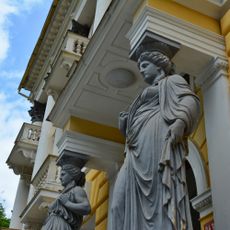
The name comes from the wooden cross that the Teplá pharmacist Damián Schultz had erected by the spring in 1749 as a landmark; it replaced the older name Slaný pramen (Salt Spring). The pavilion appears on the town coat of arms granted by imperial privilege on 1 June 1866. The neo-Baroque colonnade adjoining it, built in 1888–89, was named after Maxim Gorky in 1951.
Visitors can taste the water free of charge directly at the spring, and crowds typically gather around the spring building, especially in the morning. The best times to visit are early hours or autumn when the place is less busy.
The pavilion of the Kreuzquelle appears on Mariánské Lázně's coat of arms, granted by imperial privilege on 1 June 1866. The spring's present name comes from a tall wooden cross erected beside it in 1749 by the Teplá pharmacist Damián Schultz as a landmark.
The community of curious travelers
AroundUs brings together thousands of curated places, local tips, and hidden gems, enriched daily by 94,049 contributors worldwide.