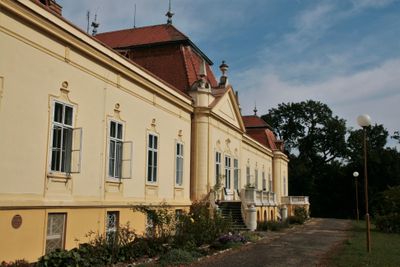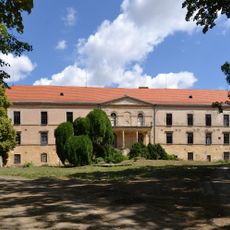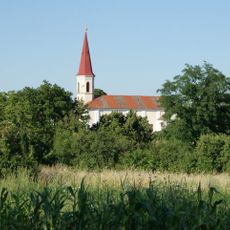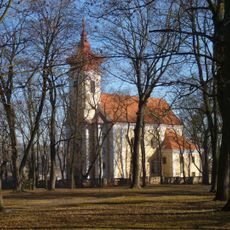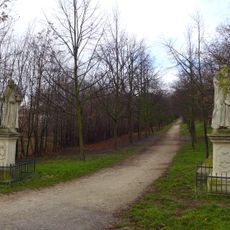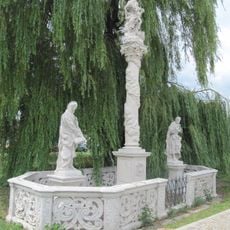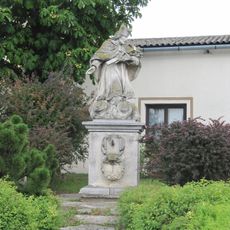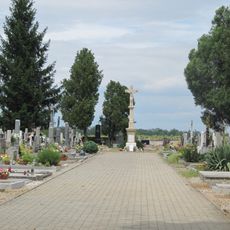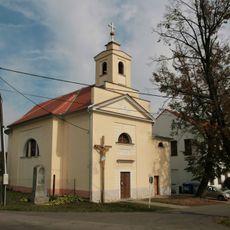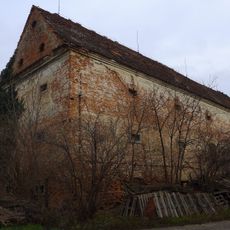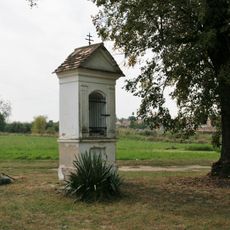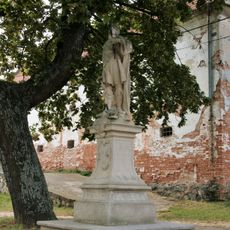
Emin zámek, Baroque revival château in Šanov, Czech Republic
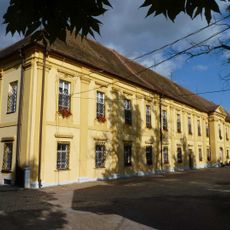
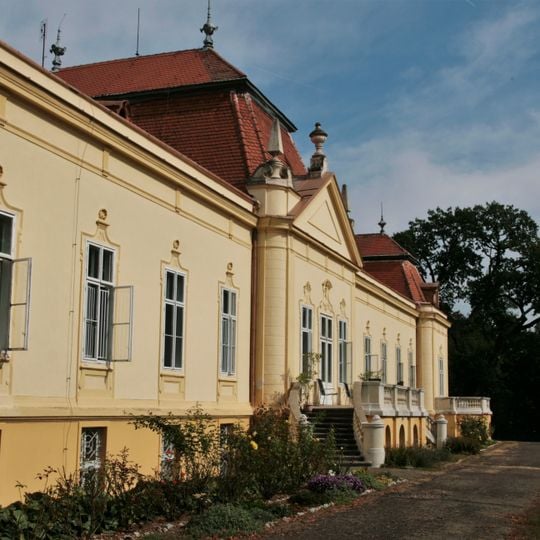
Emin zámek is a neo-baroque château built in 1882 by Edvard Khuen-Belassy, standing in the forests by the Jevišovka River about 4 km west of Hrušovany nad Jevišovkou. It is a cultural monument of the Czech Republic and now houses a social care institute.
The neo-baroque château was built in 1882 by Edvard Khuen-Belassy and named after his wife Emanuela. Alfons Mucha stayed there at the end of the 19th century and painted several works, which a fire destroyed in the early 20th century. Count Karl Khuen-Belasi had it repaired in 1913; the family held it until 1945, when the Beneš decrees nationalized it.
The château takes its name from Emanuela, wife of builder Edvard Khuen-Belassy, who had it built in 1882; it is also called Emín or Emmahof in German. Open-door days and a traditional society ball are held here each year, and the building now houses a social care institute.
No marked hiking trail leads to the château; the easiest approach is the small road from the railway station via the Nový Dvůr settlement, continuing on to Pravice. Cyclists can arrive via the Muchova or Po rovince cycle routes along the Jevišovka river. The building houses a social care institute but is open to the public, with annual open days.
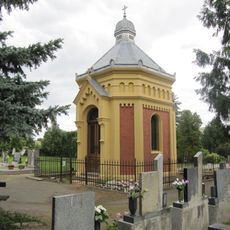
Art historian Max Dvořák of the University of Vienna stayed at the château early in his career and died there in 1921; he is buried in Hrušovany nad Jevišovkou. Alfons Mucha also stayed here in the late 19th century and painted several works that a fire destroyed in the early 20th century.
The community of curious travelers
AroundUs brings together thousands of curated places, local tips, and hidden gems, enriched daily by 94,060 contributors worldwide.