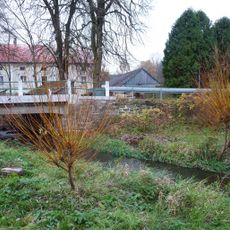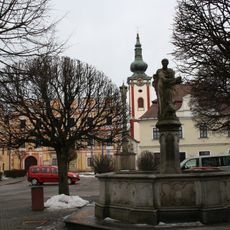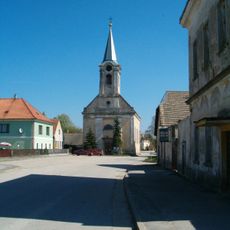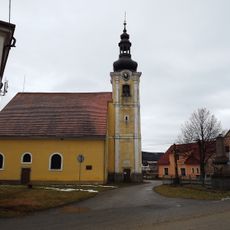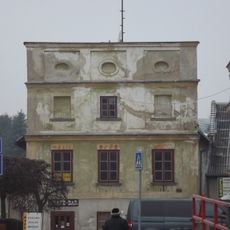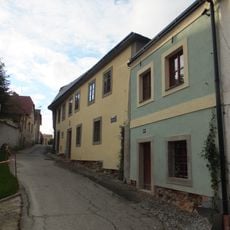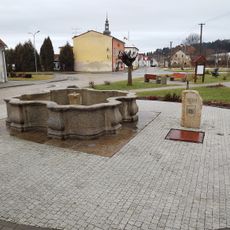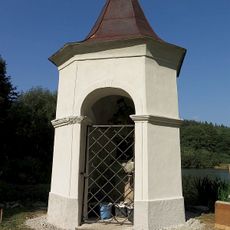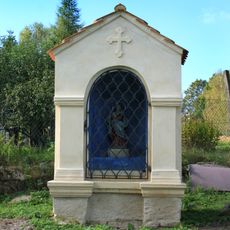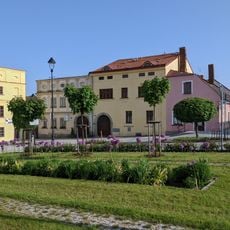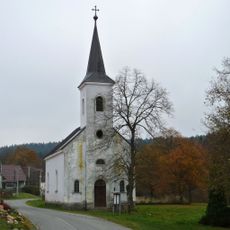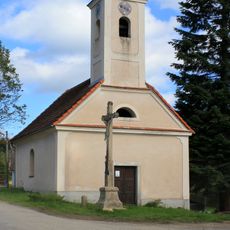
Česká Kanada, Cultural landscape in Jindřichův Hradec District, Czech Republic.
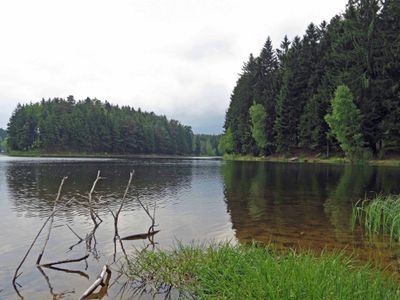
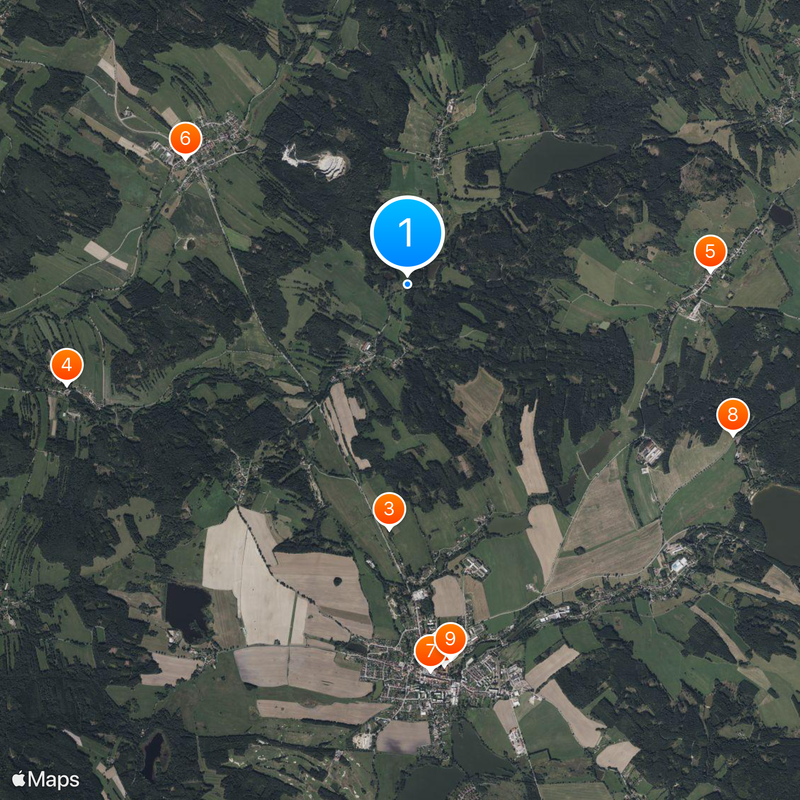
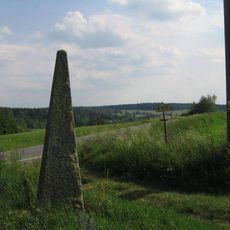
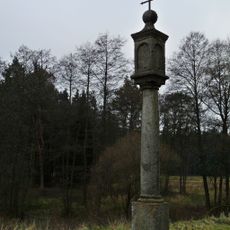
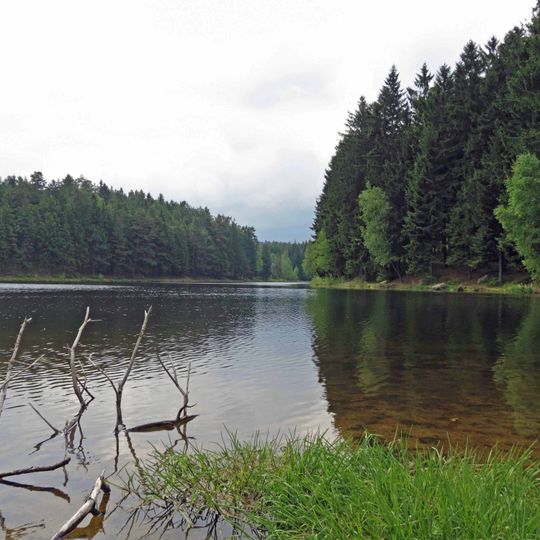
Česká Kanada is a hilly, heavily forested landscape on the Bohemian-Moravian border, continued by Austria's Waldviertel. Its highest point is Vysoký kámen at 738 m, with Šibeník, Kunějovský vrch and Studnice close behind. Boulders, rock basins and perched rocks lie scattered on the mostly flat summits, and ponds such as Kačležský (176 ha) and Krvavý (127 ha) serve fish farming and swimming.
The name was coined by Jaroslav Arnošt Trpák, a Jindřichův Hradec native and Prague journalist, after a trip through North America. The first documented use of "Česká Kanada" is in his 1928 article; the name then spread among tourists in the 1930s. After 1948 it vanished from public use and survived among tramps and paddlers, who narrowed it to the border forests.
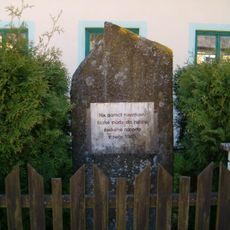
The name was coined by Jaroslav Arnošt Trpák, a Jindřichův Hradec native and Prague journalist, after a trip through North America; the first documented use is in his 1928 article. The pottery settlement of Maříž and the monument to the fictional genius Jára Cimrman near Kaproun are local curiosities. The name fell out of public use after 1948 but survived among tramps and canoeists.
The area features marked hiking trails and cycling routes that connect natural landmarks, historical sites, and villages throughout the region. You can walk or bike at your own pace or join organized tours if you prefer guidance.
The name was coined by Jaroslav Arnošt Trpák, a Jindřichův Hradec native and Prague journalist, after a trip through North America. His first documented use of "Česká Kanada" dates from a 1928 article; the name then faded from public use after 1948 and survived mainly among trampers and paddlers.
The community of curious travelers
AroundUs brings together thousands of curated places, local tips, and hidden gems, enriched daily by 92,142 contributors worldwide.