Jewish cemetery in Úsov, Jewish cemetery in Úsov, Czech Republic
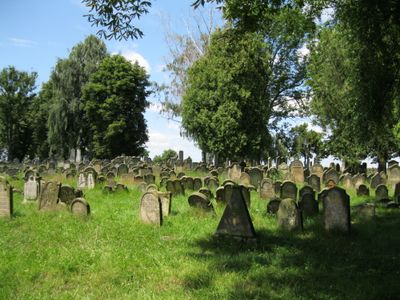
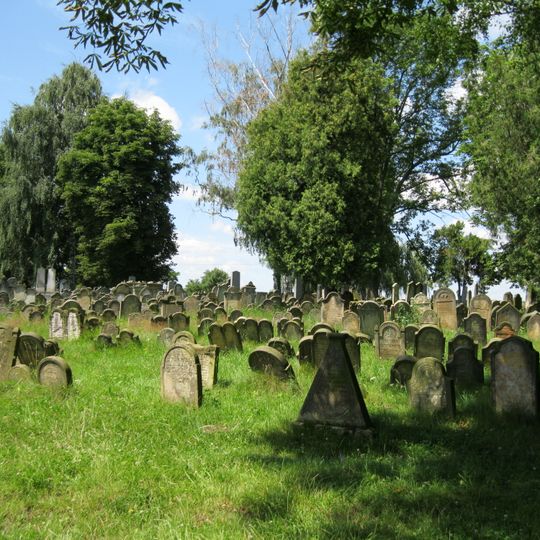
The Jewish cemetery in Úsov is a burial ground holding approximately 500 to 5,000 tombstones made of marble, granite, and sandstone on a sloped site. The grave markers bear inscriptions carved in Hebrew and German.
The cemetery was founded and built between 1643 and 1645, unusually right at the edge of the Jewish ghetto. In 1820 it was enlarged by a 25-metre-wide plot where burials began in 1850; that section was devastated during World War II when it served as a Hitler Youth shooting range. The oldest surviving tombstones date from the 17th century, and burials continued until the 1930s, when the local Jewish community ceased to exist.
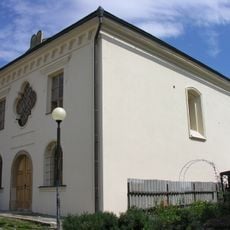
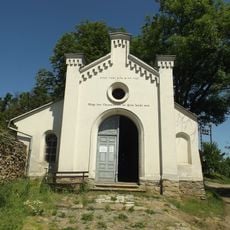
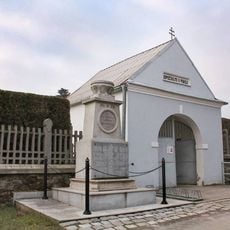
The cemetery's name in Hebrew is bet olam, and its 862 macevot include many with rich Baroque and Classicist ornament. The neo-Romanesque ceremonial hall at the western entrance carries German and Hebrew inscriptions on its facade. A tombstone from 1480, that of Rabbi Don Zapataire de Avalos – Kalonymos Ha-Kohen, was moved here from the older, vanished burial ground.
The site sits on a hillside and is accessible through a gated masonry wall entrance directly from a public road. Visitors should expect sloped paths and wear appropriate footwear.
The oldest tombstone, that of Rabbi Don Zapataire de Avalos – Kalonymos Ha-Kohen, dates from 1480 and was moved here from an older medieval cemetery in Úsov. The neo-Romanesque ceremonial hall at the entrance bears German and Hebrew inscriptions on its facade.
The community of curious travelers
AroundUs brings together thousands of curated places, local tips, and hidden gems, enriched daily by 94,499 contributors worldwide.