Franciscan monastery in Zásmuky, Monastery in Czech Republic
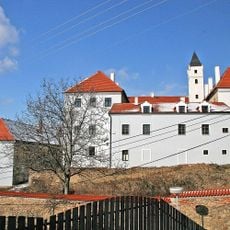
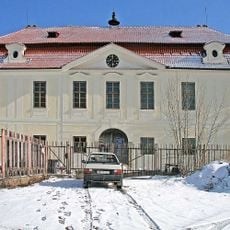
The Franciscan monastery in Zásmuky is a cultural monument of the Czech Republic built around 1690, comprising a simple church, residential buildings, and auxiliary structures. The complex features thick stone walls, small windows, and arched passageways that reflect 17th-century functional architecture.
Adolf Vratislav, Count of Šternberk, documented his plan to found the monastery in a charter dated 11 March 1690. Construction began in 1691 under architect Andrea de Quadri, and the complex was consecrated on 1 August 1694. During World War II the Gestapo used it to imprison more than seventy Catholic priests.
The convent church is dedicated to the Stigmatization of Saint Francis of Assisi, and the dedication inscription with the date 1694 survives above the entrance portal. The church has no towers, and its narrow, right-angled presbytery faces south rather than east. The convent buildings have plain outer facades typical of mendicant orders.
The convent stands in the highest, south-eastern part of Zásmuky, with a large garden attached. The site is owned by the Uhlířské Janovice parish and looked after by volunteers, so access depends on their arrangements rather than on a staffed visitor service.
The late Gothic tomb of Jaroslav ze Šternberka, made after 1500, was moved here from Prague's Anežský klášter; it is a transferred monument, not the grave of anyone buried at this monastery.
The community of curious travelers
AroundUs brings together thousands of curated places, local tips, and hidden gems, enriched daily by 92,418 contributors worldwide.