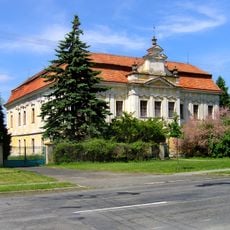
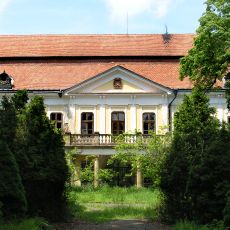
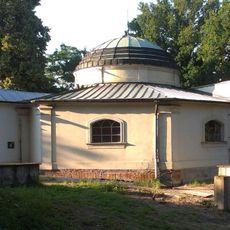
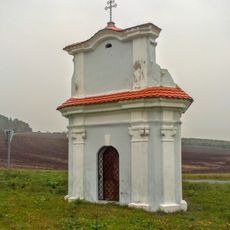
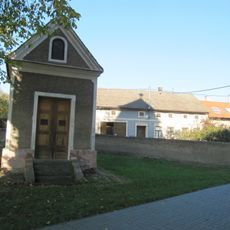
Litenčice Castle, Renaissance castle in Litenčice, Czech Republic.
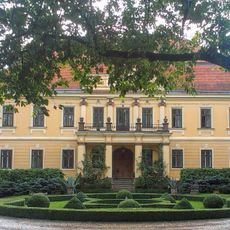
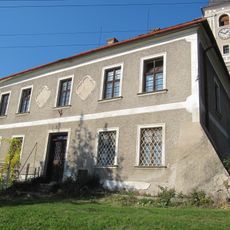
Litenčice Castle is a stone fortress featuring rectangular towers, refined architectural details, and a central courtyard from the Renaissance period of the 17th century. The structure combines fortification design with residential qualities, with window frames and portals receiving particular craftsmanship attention.
A fortress on the site is first documented in 1437, when Pavlík of Pržné sold it with part of the village. After the Thirty Years' War, Mikuláš Pázmány had the fortress rebuilt into a four-winged castle and founded the park. The Podstatský-Thonsern family held it from 1779 to 1948, adding the circular corridors in 1808–1817.
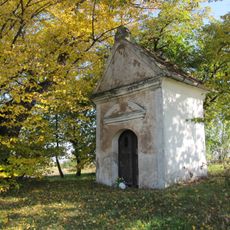
The name Litenčice first appears in writing in 1141, and the castle chapel occupies a tower in the south wing of the forecourt, where the castle library was also kept. The north wing, called the Small Castle, once housed stables and flats for officials.
The grounds are accessible during daylight hours for visitors to explore the exterior facades and take photographs. Visit during good weather to see the stonework and facade details clearly.
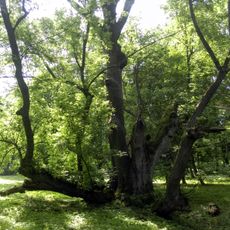
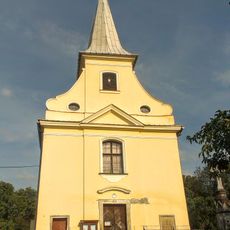
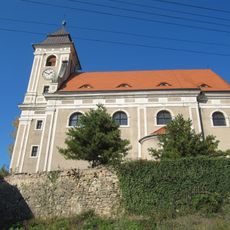
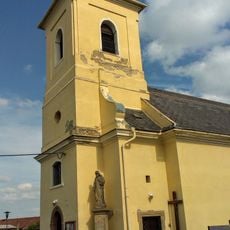
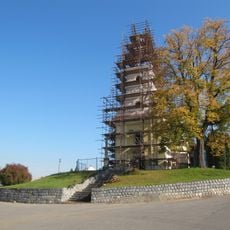
The castle park holds the Litenčický jasan, a protected narrow-leaved ash (Fraxinus angustifolia) noted for its unusual growth. The castle church of St. Peter and Paul, about 250 m north of the castle, dates from after 1700 and has been a cultural monument since 1973.
The community of curious travelers
AroundUs brings together thousands of curated places, local tips, and hidden gems, enriched daily by 92,730 contributors worldwide.