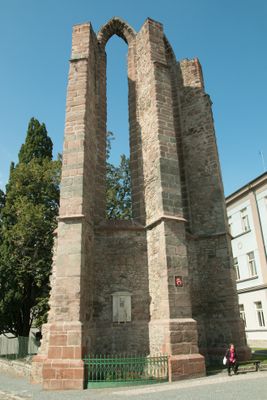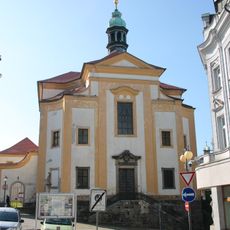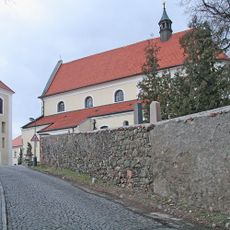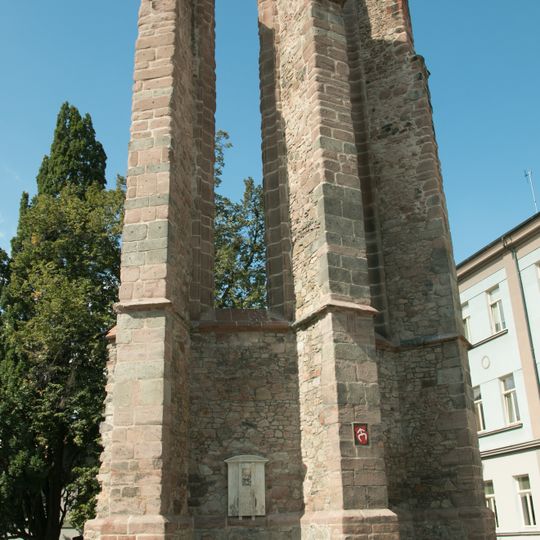
Remains of monastery church in Benešov, Monastery ruins in Benešov, Czech Republic
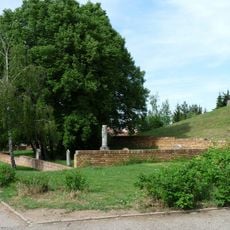
The Benešov monastery ruins are remains of a medieval monastery building with partially preserved walls and stone structures in central Bohemia. The visible sections show how the structure was laid out and the construction methods used in that era.
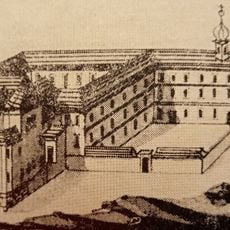
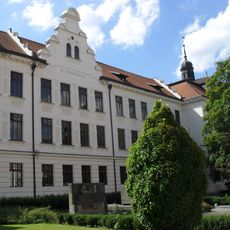
Founded in 1247 by Tobiáš of Benešov, provost of the Stará Boleslav chapter, the monastery church was consecrated in 1257. After a fire in 1294 it was rebuilt and enlarged by Milota of Dědice. Hussite troops under Jan Žižka burned the town on 19 May 1420; the last Minorites left in 1421. Swedish troops burned it again in 1648, and in the early 18th century its convent walls were demolished for a Piarist college.
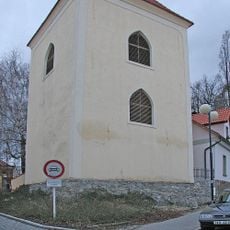
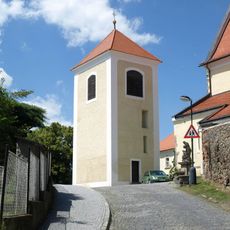
The monastery church was consecrated on 4 October 1257 by Mikuláš z Riesenburka, and in 1400 one of the earliest surviving donation charters written in Czech was drawn up here. The bell Ave Maria, cast in 1322 and hung in the separate square bell tower, is the second-oldest dated bell in the Czech Republic.
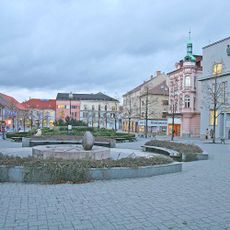
The ruins stand north of Benešov's main square, so the site is reached on foot from the centre. The surviving five-sided apse with two pointed windows and the square bell tower with its pyramid roof are the parts to look for; the convent walls were pulled down in the early 18th century, so expect foundations and fragments rather than standing buildings.
The separate bell tower beside the ruins holds the Ave Maria bell, cast in 1322 and considered the second-oldest dated bell in the Czech Republic. The tower stands on a square plan with a plain entrance on its north side and a pyramidal roof.
The community of curious travelers
AroundUs brings together thousands of curated places, local tips, and hidden gems, enriched daily by 92,749 contributors worldwide.