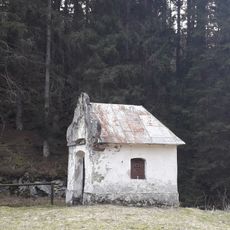
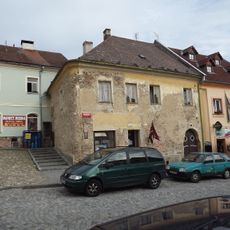
Středověká úpravna zlatých rud, Medieval gold ore processing site in Kašperské Hory, Czech Republic.
The medieval gold ore processing plant in Kašperské Hory was uncovered two metres below ground during 1990s excavations for Krátká street, in a spot called Na Prádle. Archaeologists found the stone base of a roughly 12 × 12 m building from around 1300, with a vaulted stone furnace and a water cistern beside it. Heaps of gold-bearing quartz cracked by heat lay nearby.
The stone base of the processing building, about 12 by 12 metres, dates from the turn of the 13th and 14th centuries. Pottery finds show the facility operated for roughly 150 years. It was discovered two metres underground during sewer excavations for Krátká Street in the 1990s, in the Na Prádle area, whose name recalls quartz washing.
The site lies in a spot called Na Prádle, named for the washing of quartz there. The finds from the cistern bottom — oil lamps, remains of miners' leather clothing, iron objects, pottery including imports, and glass — are kept and displayed in the Museum of Šumava in Kašperské Hory. A silver parvus of John of Luxembourg was found on the spot.
The site can be reached on foot via a marked path starting from Kašperské Hory center and is best visited during warmer months. Consulting information from the local museum before or after your visit helps explain what you see among the stone remains.
The water cistern beside the furnace held miners' lamps, iron objects, pottery including imports, glass and remains of leather clothing. A silver parvus of John of Luxembourg was also found there. The finds are stored and displayed in the Museum of Šumava in Kašperské Hory.
The community of curious travelers
AroundUs brings together thousands of curated places, local tips, and hidden gems, enriched daily by 94,020 contributors worldwide.