Dixon Waterfowl Refuge, Natural wetland refuge near Hennepin, United States
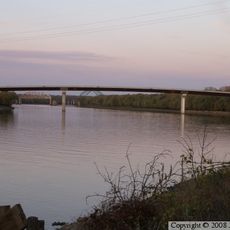
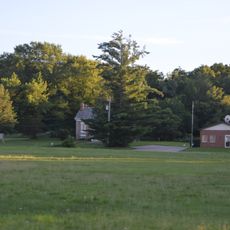
The Sue and Wes Dixon Waterfowl Refuge is a 3,100-acre riverine wetland in Putnam County, Illinois, just south of Hennepin, on the former beds of Hennepin and Hopper lakes. Since 2001 its drained farmland has been reflooded into a pattern of backwater lakes, marshes, wet and dry prairies, and wet meadows. A 30-foot birdwatching tower and about seven miles of trails opened in 2015.
The area was drained and converted to farmland in 1908 by the Hennepin Drainage and Levee District. Restoration of the natural wetlands began in 2001 and transformed it into the protected refuge it is today.
The refuge's name honors donors Sue and Wes Dixon, who were recognized in 2005. Birdwatchers log sightings here, and the pied-billed grebe, listed as threatened in Illinois before 2001, increased in numbers until the Illinois Department of Natural Resources delisted it. Volunteers pull invasive common carp from the backwater lakes and invasive plants from the wet meadows and Dore Seep.
Visitors can walk on multiple boardwalks and trail systems throughout the grounds and use a dedicated bird observation tower for viewing. Peak visiting times are during spring and fall migration seasons when bird diversity is at its highest.
In February 2012 the Dixon Waterfowl Refuge became the United States' 35th Wetland of International Importance under the Ramsar treaty, joining the Emiquon Complex downstream on the Illinois River. The site covers 3,100 acres of former Hennepin and Hopper lakebeds.
The community of curious travelers
AroundUs brings together thousands of curated places, local tips, and hidden gems, enriched daily by 92,599 contributors worldwide.