Head Tide Historic District, historic district in Maine, United States
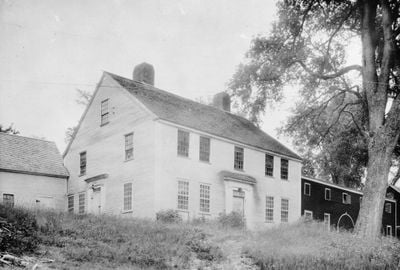
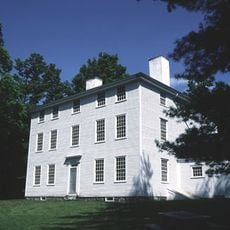
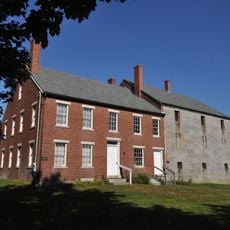
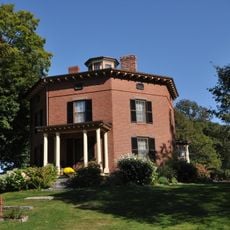
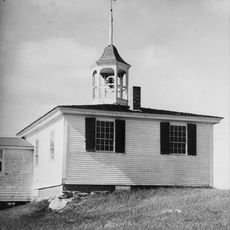
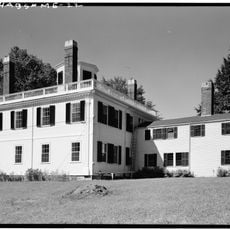
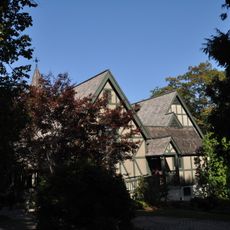
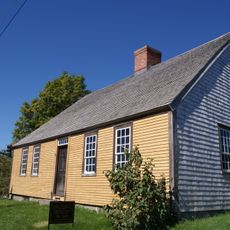
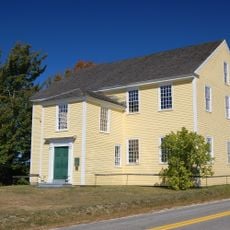
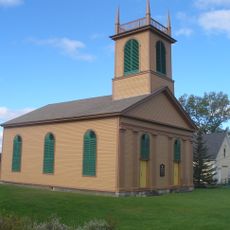
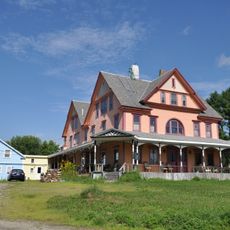
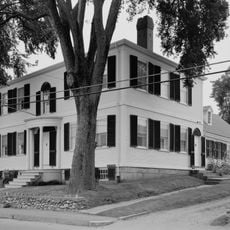
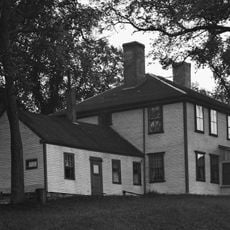
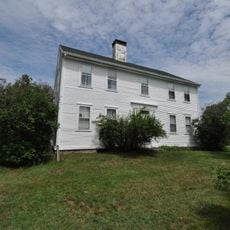
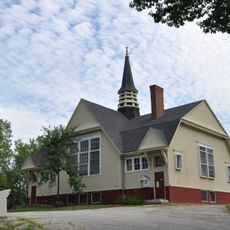
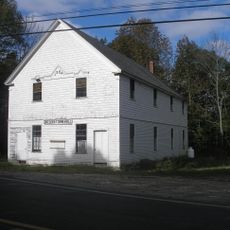
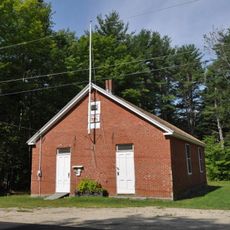
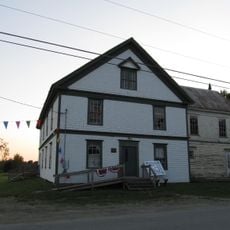
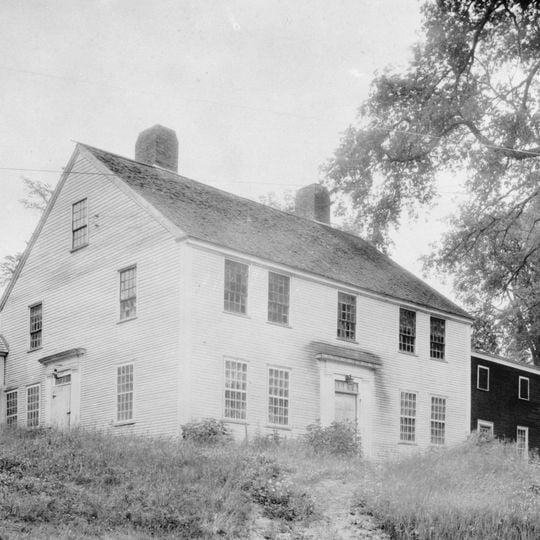
Head Tide Historic District is a village area with fourteen old houses dating from the 1700s and 1800s, located on both sides of the Sheepscot River and surrounded by gentle hills. The district also includes a school, a church, and a few small stores or warehouses that together form a compact village settlement.
The district was established around 1761 by Silvester Gardiner, who divided the land and built mills to harness the river's water power. Six waterwheels powered sawmills, grain mills, a planning mill, and a cloth finishing mill, making the area an important manufacturing center.
The district's name comes from a Native American word meaning alder tree, reflecting the natural surroundings of the area. The Georgian and Federal style homes display fine craftsmanship, and visitors can observe how skilled builders incorporated their techniques into the architecture while walking through the village.
The area is quiet and good for walking, particularly if you want to enjoy the old architecture and the river landscape. The houses are spread across a small compact area, making it easy to explore most structures on foot.
Behind the cloth finishing mill are terraces cut into the hillside that were used for drying dyed fabrics and remain visible today. These unusual outdoor steps reveal a detail of historical textile production that visitors often overlook.
The community of curious travelers
AroundUs brings together thousands of curated places, local tips, and hidden gems, enriched daily by 92,890 contributors worldwide.