Besser Museum for Northeast Michigan, Regional history museum in Alpena, United States.
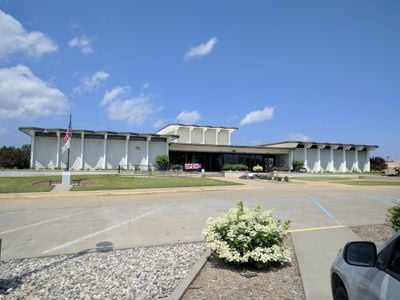
The Besser Museum is a repository of art, scientific objects, and regional history across indoor galleries and outdoor grounds. The collection features paintings by well-known European and contemporary artists, along with archaeological finds and historical artifacts from the Northeast Michigan area.
The museum was established to preserve and display the history of Northeast Michigan. The complex includes reconstructed structures from the 1890s that show what early settlements and commercial life looked like in this region.
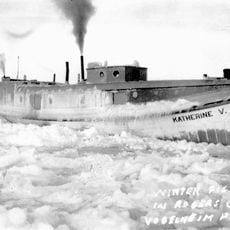
The museum holds one of the country's finest collections of Great Lakes Indian artifacts, shown alongside paintings by Cézanne, Renoir, Picasso, Chihuly and Rivera. A reconstructed "Avenue of Shops" of 12 storefronts includes an 1890s pharmacy window with pharmaceutical bottles and drugstore ephemera. The fishing tug Katherine V, a wooden Lake Huron gill-net boat, is displayed on the grounds.
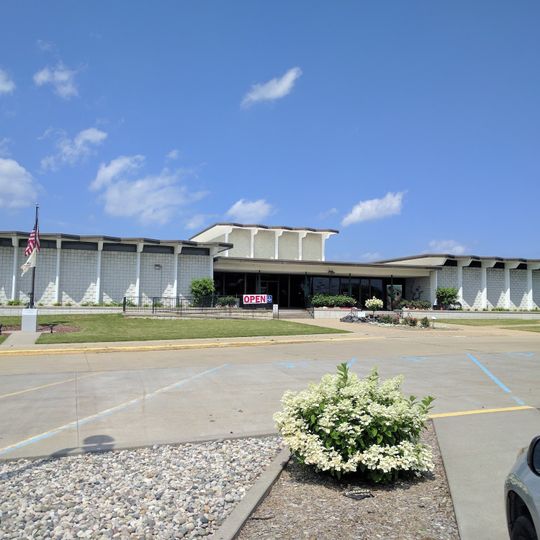
The museum occupies a 42,000-square-foot building on an 8-acre campus, so plan time for both the indoor galleries and the outdoor exhibits, including the Lafarge Fossil Park and the fishing tug Katherine V. A two-story Foucault pendulum hangs in the lobby, a useful landmark when you enter. The site sits in Alpena, on Lake Huron, within the Thunder Bay National Marine Sanctuary area.
The museum holds the original Besser hand-tamp block machine; Jesse Besser developed the first such machine in 1904, and the company's headquarters remains in Alpena. Outside, the fishing tug Katherine V, listed on the National Register of Historic Places in 2003, is believed to be the last intact wooden Great Lakes fish tug.
The community of curious travelers
AroundUs brings together thousands of curated places, local tips, and hidden gems, enriched daily by 92,626 contributors worldwide.