Nouakchott, Capital city on Atlantic coast, Mauritania
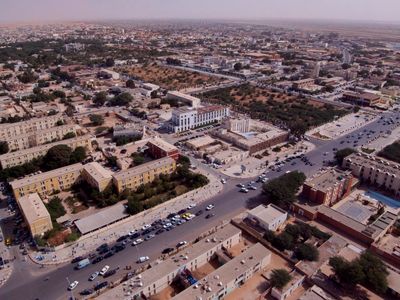
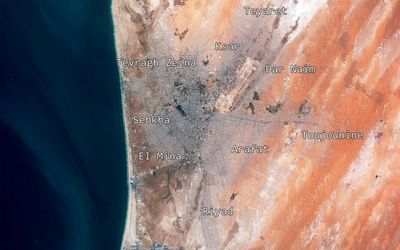
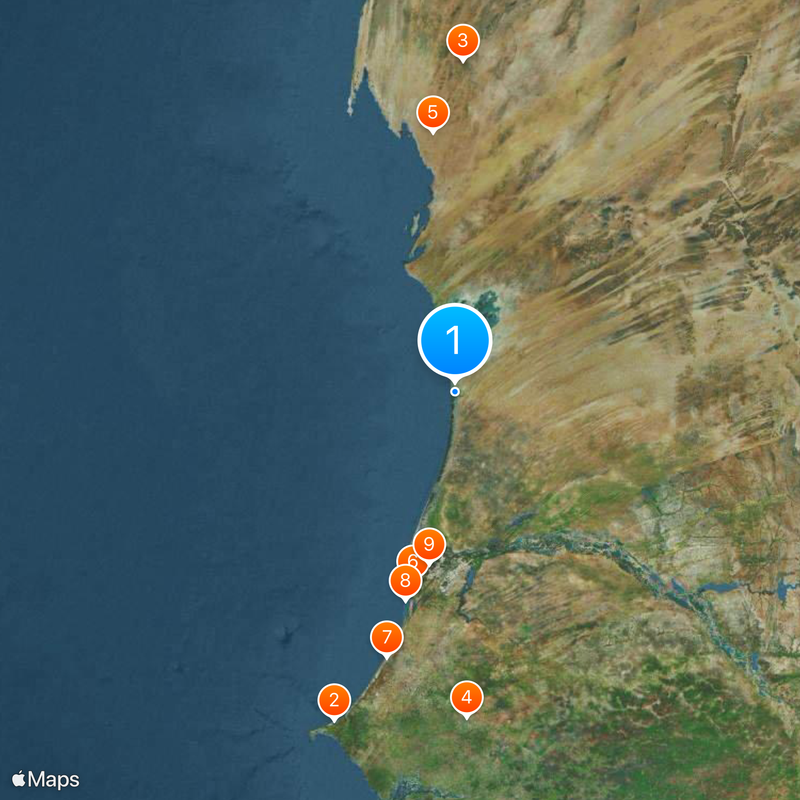
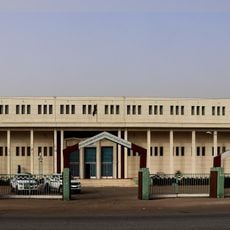
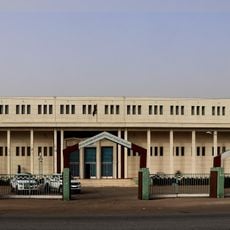
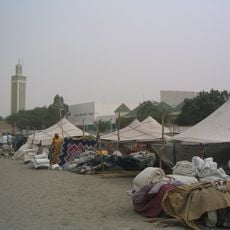
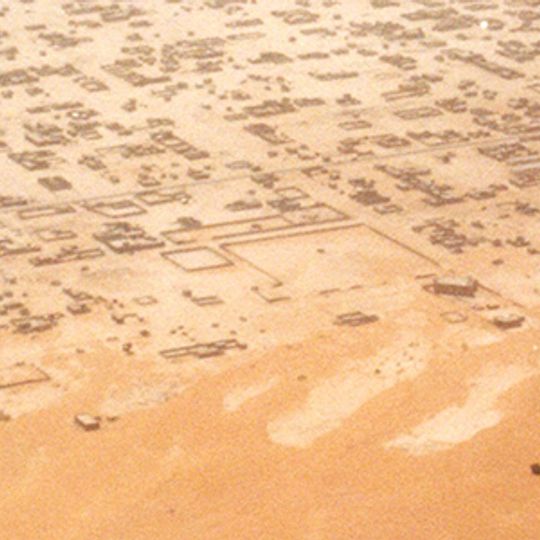
Nouakchott sits on sandy ground between the Sahara and the Atlantic, with residential quarters spreading outward from the administrative center. Streets run in wide grids across the flat landscape while low buildings scatter over broad expanses.
The city grew from a small fishing village of roughly 15,000 people into a large urban center after Mauritania gained independence in 1960. Rapid growth brought residents from different parts of the country who settled here permanently.
The National Museum holds artifacts and textiles from across the region along with documents tracing the nomadic past of the population. Its displays offer insight into traditional ways of life and craftsmanship practiced by the different ethnic communities in the country.
The port sits roughly 8 kilometers from the city center and handles copper and petroleum shipments through specialized terminals. Visitors should carry enough water when exploring as the dry climate and open landscape offer little shade.
Three separate administrative regions divide the city, with some neighborhoods sitting below sea level and requiring special construction techniques. This particular topography makes certain building methods necessary to prevent flooding during the rainy season.
The community of curious travelers
AroundUs brings together thousands of curated places, local tips, and hidden gems, enriched daily by 91,655 contributors worldwide.