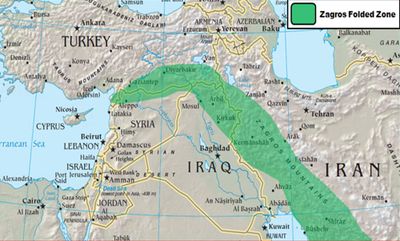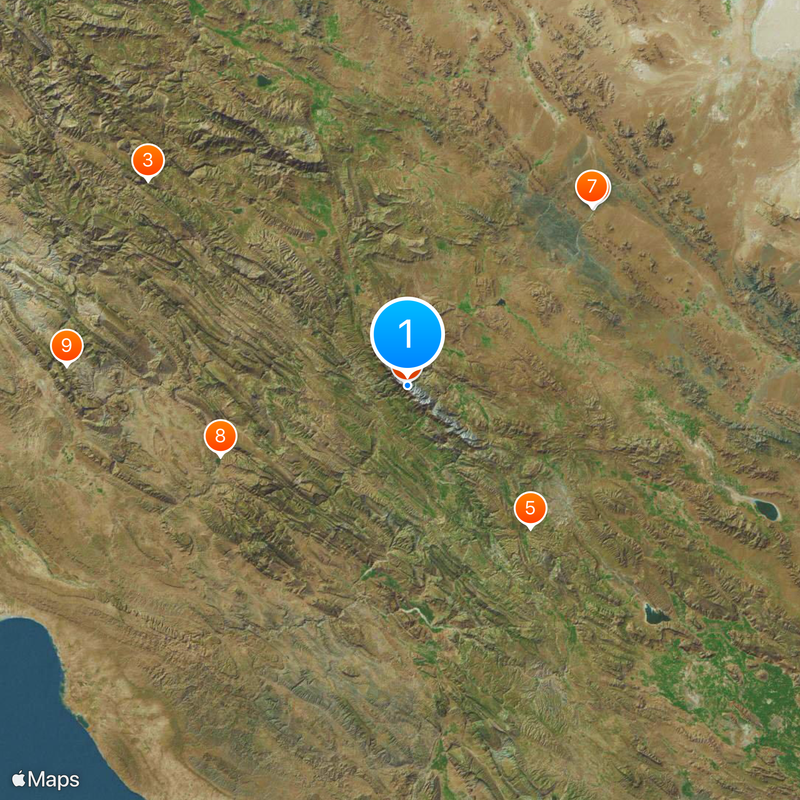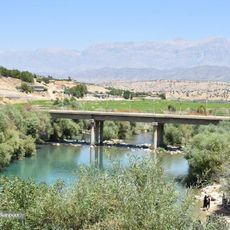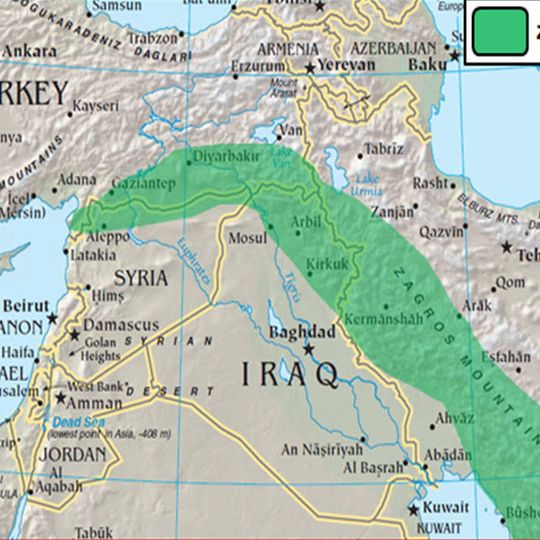
Zagros Mountains, Mountain range in western Iran and eastern Iraq.
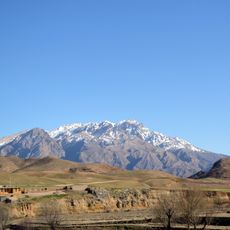
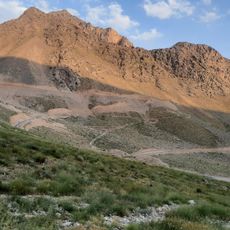
The Zagros Mountains form a long chain stretching across western Iran and eastern Iraq, resting on sedimentary layers of limestone. Several peaks rise above 4,000 meters (13,000 feet), including Mount Dena at 4,409 meters (14,465 feet), and the terrain shows deep valleys, steep slopes, and broad plateaus.
The mountain chain formed about 25 million years ago when the Eurasian and Arabian plates collided, pushing the seafloor upward. This movement continued over time, shaping the folds and layers visible along the mountain slopes today.
Several communities have lived in these mountains for centuries, moving their herds between valleys and high pastures with the changing seasons. Villages along the slopes show building styles in stone and mud that adapt to the harsh climate and match the daily needs of the people.
The best time to visit is between spring and autumn, when temperatures in the valleys and plateaus are comfortable. Visitors should bring clothing for changing weather, as elevation and terrain can shift conditions sharply within a single day.
Beneath the southwestern foothills lie large petroleum deposits that have driven economic activity in the region for over a century. Rainfall between 400 and 800 millimeters falls mostly in winter and spring, feeding rivers that flow into the lowlands.
The community of curious travelers
AroundUs brings together thousands of curated places, local tips, and hidden gems, enriched daily by 91,996 contributors worldwide.