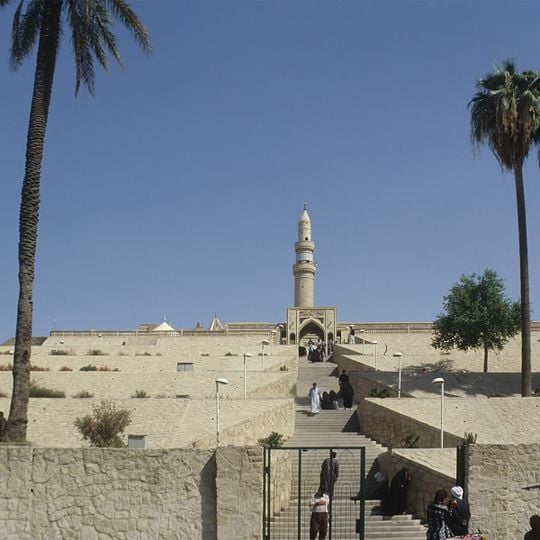
Mosque of the Prophet Yunus, Destroyed mosque and shrine in Mosul, Iraq
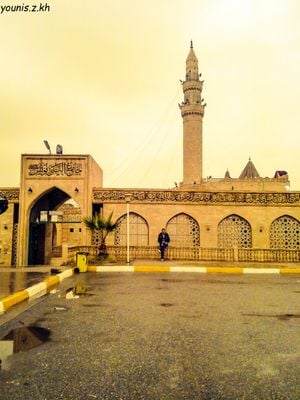
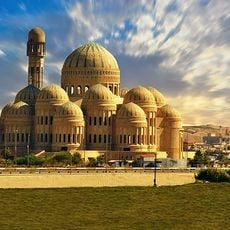
The Mosque of the Prophet Yunus was a religious building in Mosul featuring traditional Islamic architecture set upon a hill. The structure consisted of stone walls and multiple prayer halls designed to accommodate worshippers during religious ceremonies.
Jalal al-Din Ibrahim al-Khatni built the mosque in 1365 over a demolished monastery, announcing the discovery of Jonah's grave. Timur visited in 1393 and was shown the tomb. Islamic State destroyed the building with explosives on 24 July 2014.
Mosul families held the mosque in special regard, and Turkish pilgrims treated prayer there as a rite completing the Hajj; many households near Tooba Hill spoke Turkish. Ibn Battuta described the hill's ribat, where a silk-draped chamber marked the spot of Jonah's prayer. A spring called Ain al-Damlamaja seeps from its sides in summer and swells in spring.
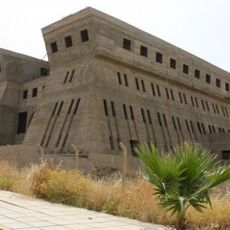
The location sits on elevated ground and requires a modest climb to reach the remains. Visitors should be aware that this is an excavation site where archaeological work may still be ongoing.
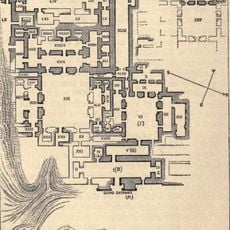
The tunnels under the mosque were dug by Islamic State fighters, not by medieval builders; more than fifty were recorded after 2017, some over 20 metres long and up to 3.5 metres high. Looters took portable finds, while larger carvings stayed on the palace walls. In 2025 a 6-metre lamassu, the largest yet found, was uncovered in the throne room.
The community of curious travelers
AroundUs brings together thousands of curated places, local tips, and hidden gems, enriched daily by 92,637 contributors worldwide.