Mosul, Historic metropolis in Northern Iraq
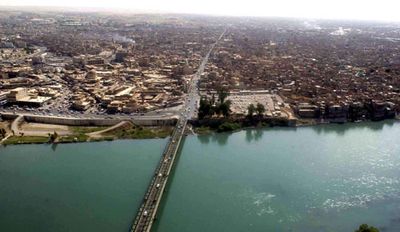
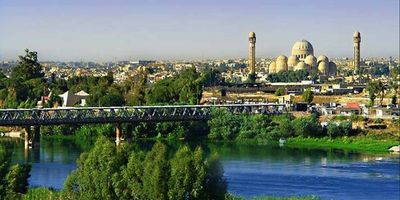
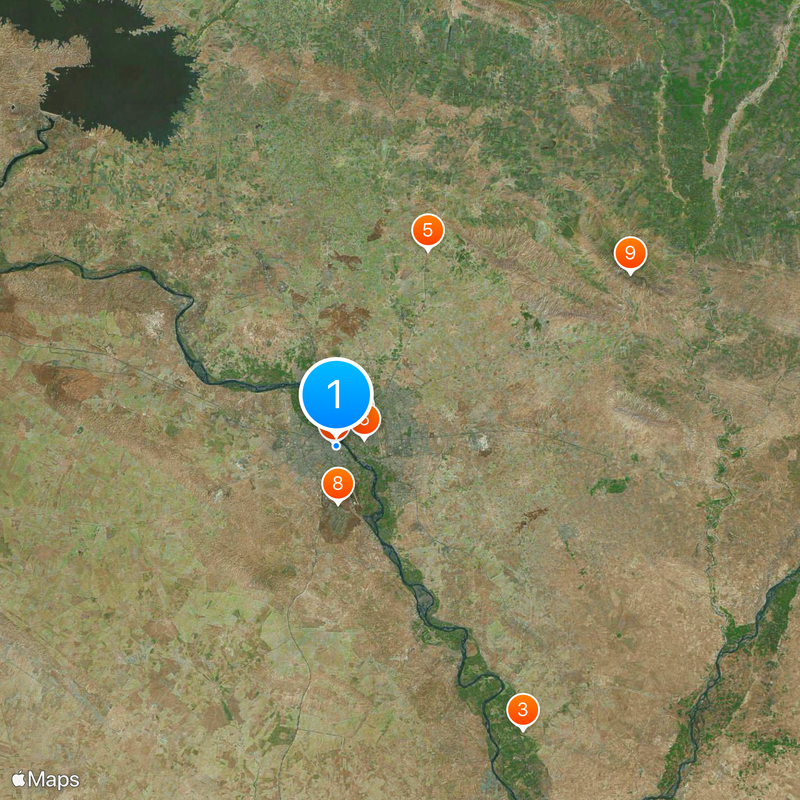
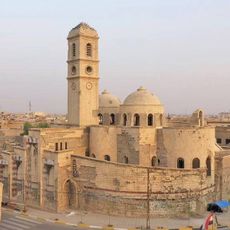
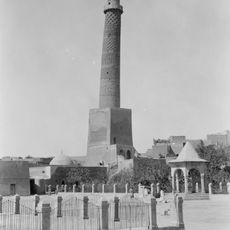
Mosul lies on both banks of the Tigris, with five bridges connecting residential and commercial neighborhoods to the remains of ancient Nineveh. Minarets and low buildings define the skyline, with narrow lanes and wider thoroughfares weaving through the quarters.
The settlement appeared in the 6th century on the western bank and grew into northern Mesopotamia's main hub during the 8th century Abbasid period. Conquests and shifts in rule reshaped it over the centuries before modern conflicts left deep scars.
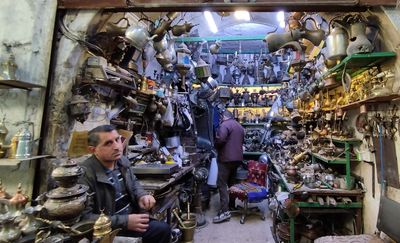
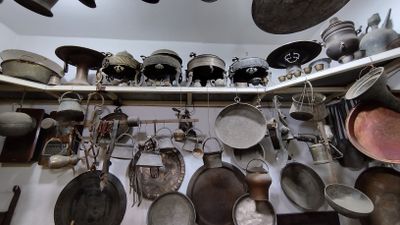
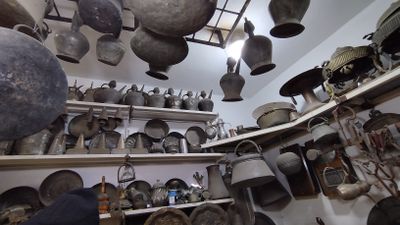
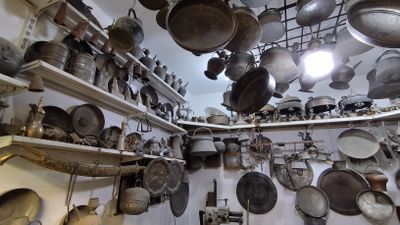
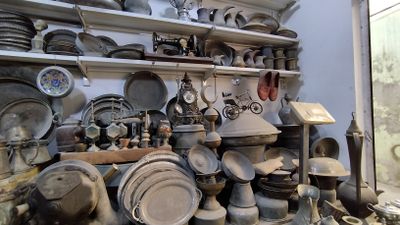
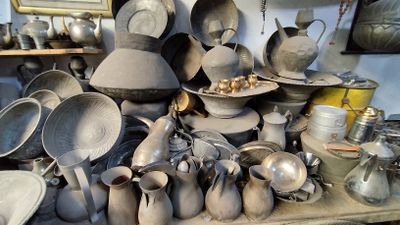
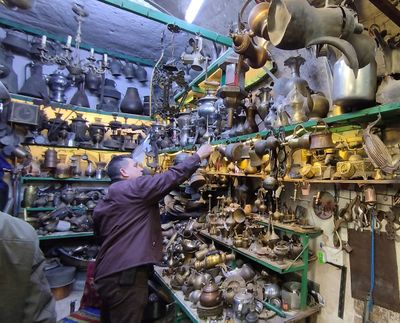
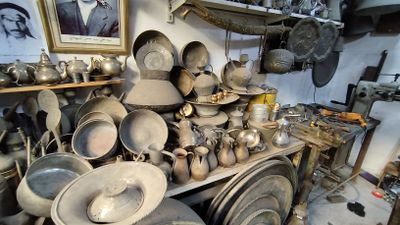
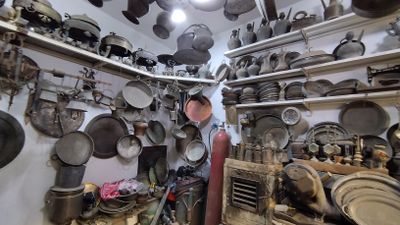
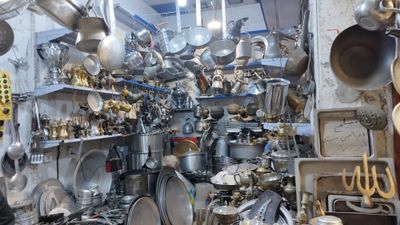
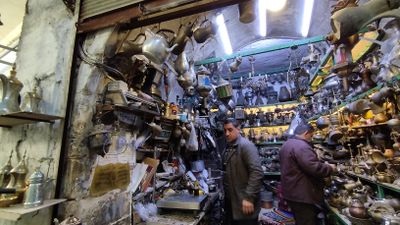
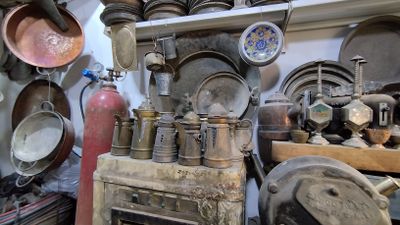
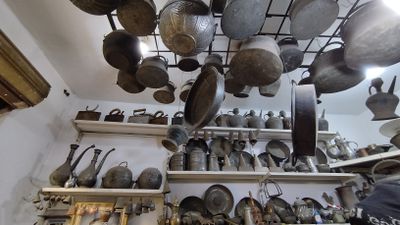
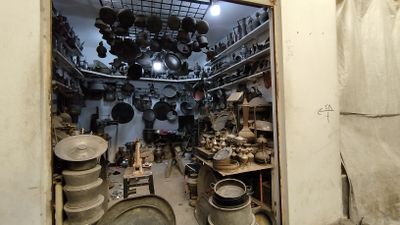
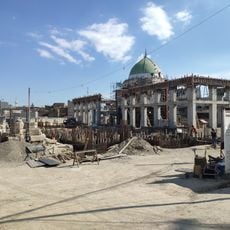
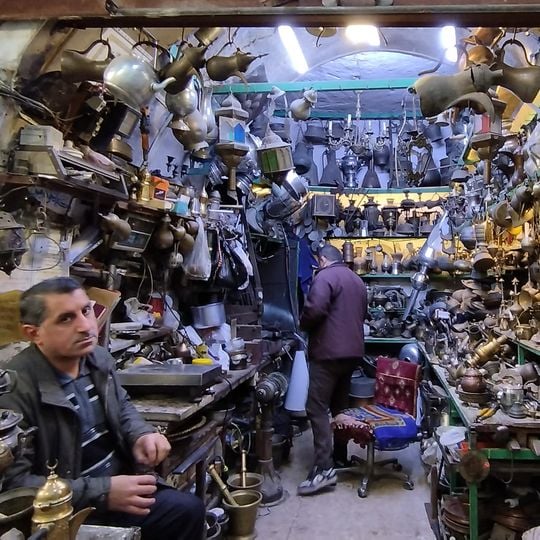
Merchants sell spices, pottery and textiles in the markets south of the river, continuing trading practices handed down over centuries. Communities organize daily life around neighborhood mosques where people gather for prayers and conversation.
Visitors should have basic Arabic or arrange a local guide, as the North Mesopotamian dialect known as Moslawi dominates and English is rarely spoken. The river serves as the main reference point, with the eastern bank being more modern and the western side more densely built.
Local workshops once produced fine cotton cloth that entered European languages as muslin, named after the place itself. The university near the center remains one of the largest education institutions in the Middle East despite damage during recent conflict.
The community of curious travelers
AroundUs brings together thousands of curated places, local tips, and hidden gems, enriched daily by 92,498 contributors worldwide.