Malgium, Archaeological excavation site in Babylonia, Iraq
Malgium is a single mound of about 15 hectares rising 17.6 metres above the plain at Tell Yassir, in Wasit Governorate, Iraq, 20 kilometres northwest of Maškan-šāpir. Its outer margins are cut by modern agriculture, and small mounds of 3 to 5 hectares lie mainly to its west, part of the group called Tulūl al-Fāj.
Malgium appears in the Cuthean Legend of Naram-Sin and, after year 10 of Ibbi-Sin, conquered Irisaĝrig, whose tablets name its kings Nur-Eštar, Šu-Kakka, Nabi-Enlil, Šu-Amurrum, Imgur-Sin and Ištaran-asu. Larsa's Gungunum celebrated its defeat around 1914 BC, Sin-Iddinam in about 1844 BC and Warad-Sîn around 1831 BC. Under Ḫammu-rāpi it joined a coalition of states beyond the Tigris, and mentions cease at the end of the Old Babylonian period.
Malgium's chief deities were Ea, whose temple was called Enamtila, and Damkina; a temple of Ulmašītum also stood there, as did one to Bēlet-ilī named Ekitusgestu and a temple to the god Anum. A year name of the ruler Šu-Kakka honours Damkina, and a fragmentary lament commemorates the city's destruction alongside Kesh.
Tell Yassir lies in Wasit Governorate, about 20 km northwest of Maškan-šāpir, reached by road from the direction of Kut; no visitor facilities are recorded at the mound. The single mound rises 17.6 m above the plain and its outer margins are cut by modern agriculture, so expect uneven ground. The central area was heavily looted after 2003, and inscribed bricks found in surface surveys are best left in place.
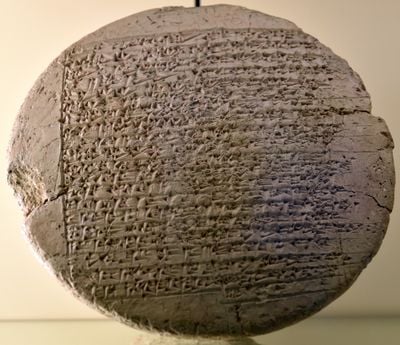
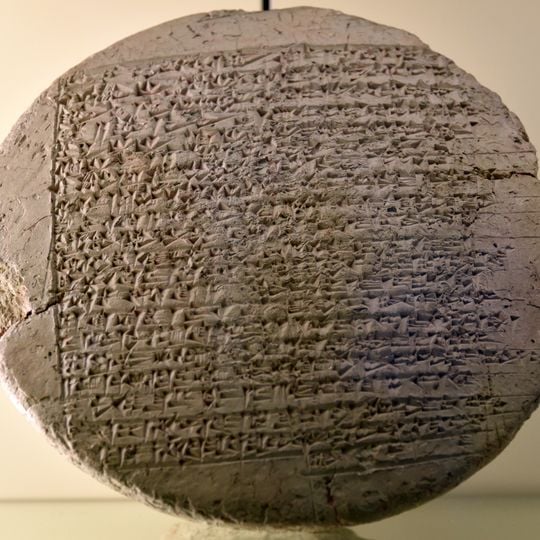
For years the true identity of this site remained unclear until researchers found inscribed bricks bearing royal names that solved the mystery. These written records became crucial evidence for understanding its past.
The community of curious travelers
AroundUs brings together thousands of curated places, local tips, and hidden gems, enriched daily by 93,768 contributors worldwide.