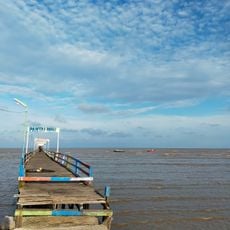
Malesia, Historical and geographic region in Southeast Asia
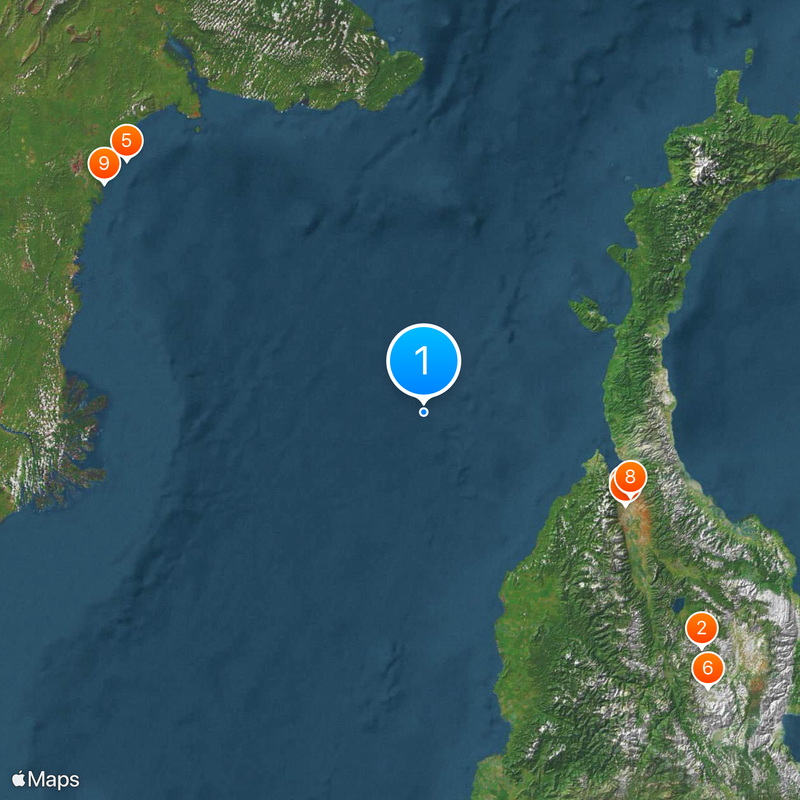
Malesia is a historical and geographic region in Southeast Asia that extends across Sumatra, Borneo and smaller islands between Thailand and Papua New Guinea. This zone connects land and water with dense rainforests, coastal strips and mountain ranges managed by several countries.
The territories developed from the 15th century as a pivot point for traders from China, India and Arabia who sailed through the Strait of Malacca. Later, European colonial powers brought new administrative borders to these islands, shaping the political map that persists today.
The name comes from botanical tradition and describes the connected plant life of islands between Asia and Australia. Travelers today see the connection between different cultures in ports and markets, where Malay, Chinese and indigenous traders offer their goods.
The climate is tropical with temperatures between 25 and 32 °C (77–90 °F) throughout the year and frequent rainfall during both monsoon seasons. Travelers should bring light, quick-drying clothes and prepare for changing weather conditions.
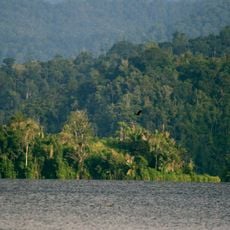
The zone shelters over 40,000 plant species, ranking among the most botanically rich areas on Earth. Scientists regularly discover new orchid and fern species here in remote valleys and mountain forests.
The community of curious travelers
AroundUs brings together thousands of curated places, local tips, and hidden gems, enriched daily by 92,309 contributors worldwide.