Ayacucho, Colonial mountain city in south-central Peru
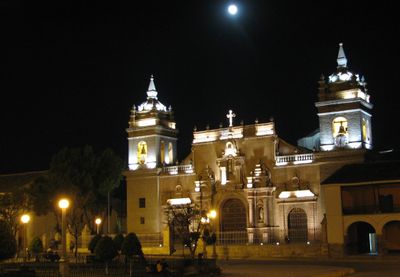
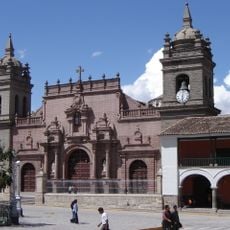
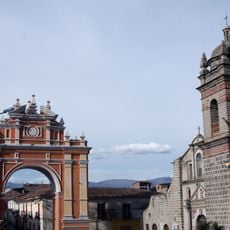
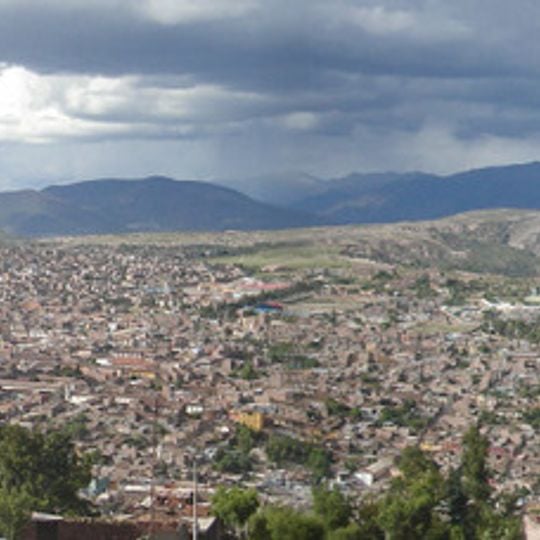
Ayacucho is a city in Huamanga Province in the south-central Andes of Peru, sitting in a fertile valley at roughly 2750 meters above sea level. Several dozen colonial-era churches line cobbled streets, while the 17th-century cathedral overlooks the central square.
Francisco Pizarro founded the settlement in 1539 under the name Huamanga as a waypoint on the silver routes between coast and highlands. In 1825 it received its current name after the Battle of Ayacucho, which ended Spanish colonial rule in South America.
The city takes its name from a Quechua phrase meaning "corner of the dead," which locals adopted after the independence battle that ended Spanish rule in South America. Every April, residents fill the streets for ten days of processions that mix Catholic ritual with Andean tradition, creating one of the longest Holy Week celebrations on the continent.
Regular flights from Lima take about an hour, while overland buses offer several routes through the Andes connecting the city to Huancayo and Cusco. The elevation makes acclimatization advisable, especially for travelers arriving directly from lower areas.
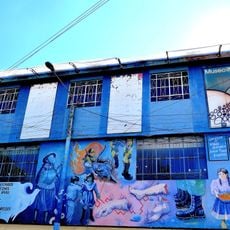
Artisans in workshops around the market craft retablos, painted wooden boxes with religious or everyday scenes that originally served as portable altars. UNESCO recognized the city as a Creative City of Folk Art in 2019, acknowledging centuries-old traditions in textiles, ceramics, and leatherwork.
The community of curious travelers
AroundUs brings together thousands of curated places, local tips, and hidden gems, enriched daily by 91,834 contributors worldwide.