Qala-i-Jangi, 19th-century fortress in Balkh Province, Afghanistan
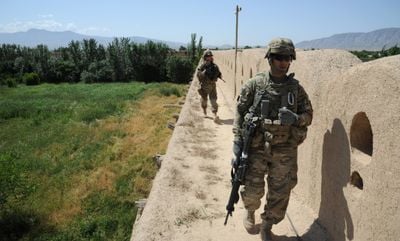
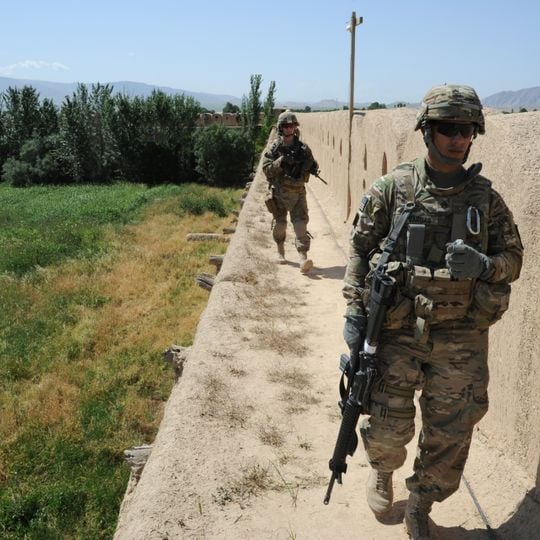
Qala-i-Jangi is a mud-brick fortress in Balkh Province featuring sturdy corner towers and multiple interior courtyards. The compound contains numerous connected buildings that once served different military and administrative functions.
Abdur Rahman, the "Iron Amir", built the fort in 1889 with British funds to defend against a Russian invasion and to suppress Uzbek tribal revolts. It took 18,000 workers 12 years to finish, and Rahman called it the largest and strongest fort ever built in Afghanistan. Known then as Dehdadi, it received the name Qala-i-Jangi probably only in the 1940s. In 1929 about 300 Russian troops were besieged inside by 20,000 Turkmens.
The fort's name, Qala-i-Jangi, means "fortress of war" in Dari and Pashto, though it was probably not applied until the 1940s; before that the site was called Dehdadi after the nearby village. Inside the walls stand a gold-domed mosque and the square "Pink House", built in the 1980s by the Soviet occupiers as a medical facility.
Visiting the fortress requires coordination with local authorities in the region before arrival. It is advisable to check current conditions beforehand, as access and safety situations can change depending on local circumstances.
The north-eastern corner tower was destroyed on 26 November 2001 by an errant American JDAM missile, during the uprising in which at least 470 people died, including CIA officer Johnny "Mike" Spann. The fort had been General Abdul Rashid Dostum's Northern Alliance garrison.
The community of curious travelers
AroundUs brings together thousands of curated places, local tips, and hidden gems, enriched daily by 92,611 contributors worldwide.