Ughtasar Petroglyphs, Ancient rock art site in Angeghakot, Armenia
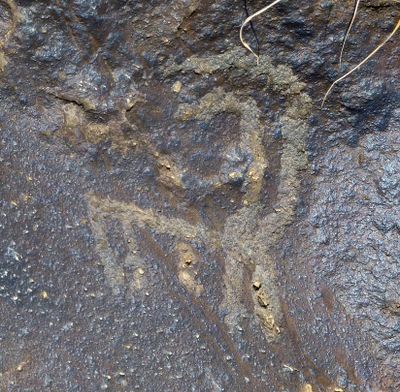
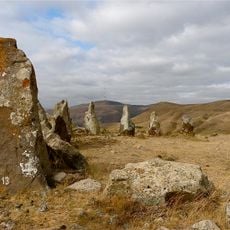
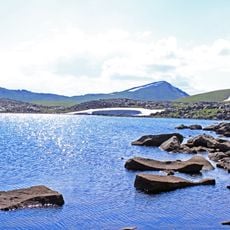
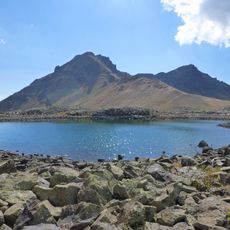
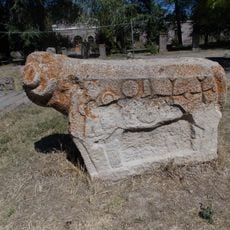
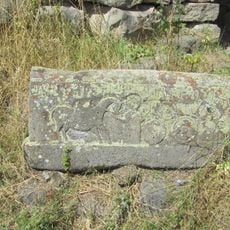
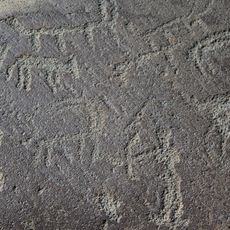
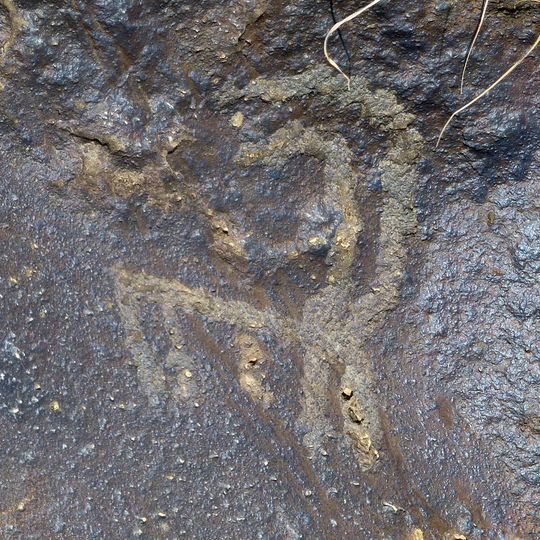
Ughtasar is a site containing over 1000 decorated rock fragments spread across the caldera of an extinct volcano at 3300 meters elevation. The petroglyphs include hunting scenes, animal figures, and abstract symbols carved into the scattered stones.
The carvings began in the Paleolithic period around 12000 BCE and continued through the Bronze Age, with nomadic tribes adding to them over millennia. The varying carving styles suggest that people returned to this location repeatedly across many centuries.
The rock carvings depict hunting scenes, animal figures, and geometric designs that show how early people recorded their world visually on stone. These images reveal the daily life and beliefs of shepherds and hunters who used this mountainside as their artistic canvas.
Access requires specialized vehicles and a guide, since the site remains snow-covered for nine months each year. Visitors should prepare for cold weather and steep terrain while being aware of the high altitude conditions.
Researchers from Armenia, the UK, Japan, and the USA collaborate to document and preserve the ancient carvings through an ongoing research project. This international effort continues to reveal new details about the petroglyphs that earlier visitors may have overlooked.
The community of curious travelers
AroundUs brings together thousands of curated places, local tips, and hidden gems, enriched daily by 91,364 contributors worldwide.