Bora Bora, Volcanic island group in the Society Islands, French Polynesia
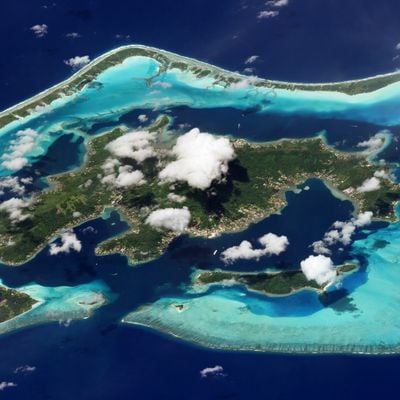
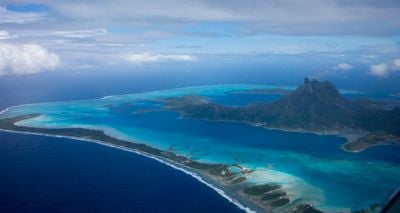
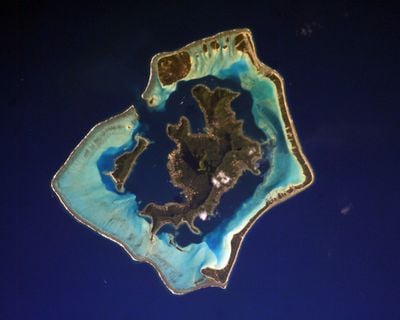
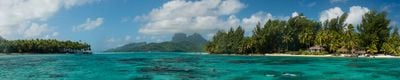
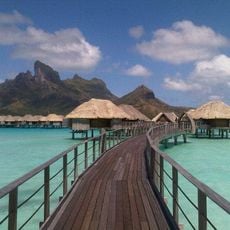
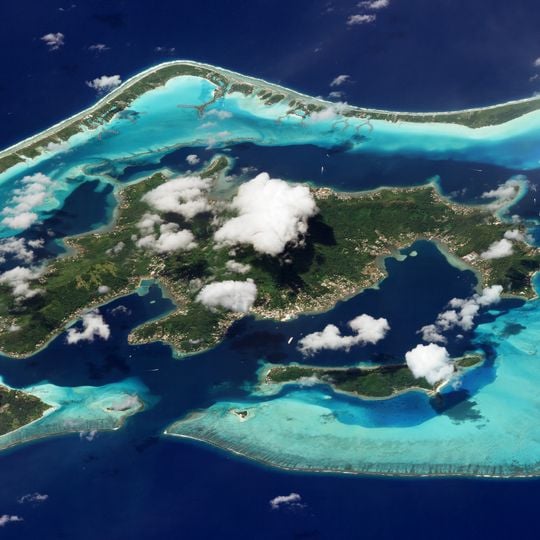
Bora Bora is a volcanic island in the South Pacific with a central mountain surrounded by a lagoon and coral reef. Small islets called motus sit on top of the reef, forming a ring of land parcels between the lagoon and open ocean.
Polynesian settlers reached Bora Bora around the 3rd century CE, and the island remained an independent kingdom until France annexed it in 1888, forcing Queen Teriimaevarua III to abdicate. In 1942 the U.S. Navy's Operation Bobcat landed nearly 7,000 soldiers and built an airstrip on Motu Mute; the base closed on 2 June 1946.
Locals use outrigger canoes and small boats to move between different parts of the island, and daily life follows the rhythms of tides and wind patterns. Visitors see traditional flower garlands offered as a welcoming gesture and local dances performed during evening gatherings at hotels.
The main village of Vaitape offers basic services while transport between resorts and the mainland requires scheduled boat connections. The airport sits on a separate motu, making water crossings necessary to reach all lodgings, and the dry season from May through October brings more favorable conditions for outdoor activities.
The barrier reefs enclosing the central lagoon create multiple water depths and support different marine ecosystems for underwater activities. Several channels cut through the reef and allow boat passages between open ocean and lagoon, with each passage displaying different current patterns and marine conditions.
The community of curious travelers
AroundUs brings together thousands of curated places, local tips, and hidden gems, enriched daily by 92,135 contributors worldwide.