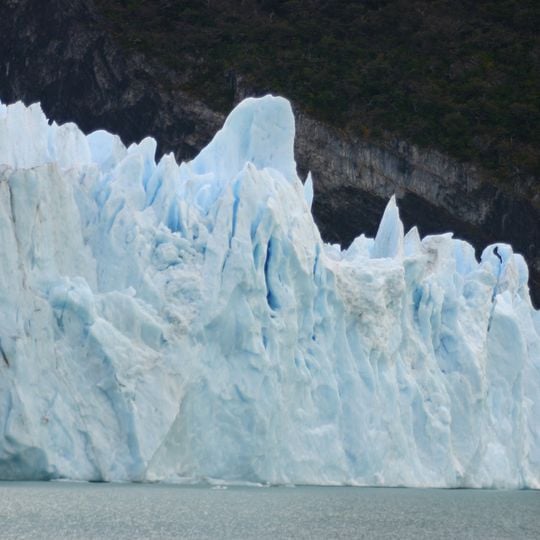
Patagonia National Park, National park in Santa Cruz Province, Argentina
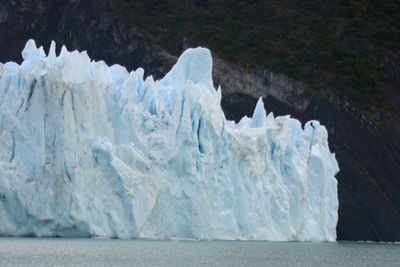
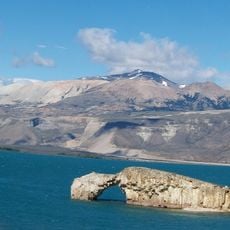
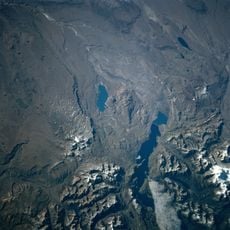
Patagonia National Park is a nature reserve in Santa Cruz Province that stretches across mountains, valleys, grasslands, and river systems. The landscape shifts between rocky peaks and open plains typical of southern Patagonia.
The park's creation began on 14 March 2013, when Santa Cruz's legislature unanimously passed law 3306 ceding 18,000 hectares of fiscal land plus over 35,000 private hectares to the national state; the bill was pushed by provincial deputy Oscar Sandoval of Los Antiguos. National law 27081, passed on 16 December 2014 and promulgated on 21 January 2015, accepted the transfer and created the park. The campaign was driven by biologists and rangers seeking to protect the macá tobiano, a grebe breeding only on these western plateaus.
The park's creation came from local pressure: in 2007 residents of Los Antiguos wrote to national authorities to protect the Lake Buenos Aires basin from gold mining projects. Provincial deputy Oscar Sandoval pushed the 2013 land-transfer law, voted unanimously. The documentary El Ocaso del Macá Tobiano, by Marcelo Viñas and Juan María Raggio, helped build support.
Vehicles with high clearance are recommended since many roads are unpaved. The best time to visit is between December and March during the southern summer when the weather is milder.
The park's creation was driven by the critically endangered hooded grebe (macá tobiano), whose main breeding colonies lie on the Lago Buenos Aires plateau. In 2012 the Rewilding Argentina foundation bought Estancia El Sauco to protect Laguna El Sauco, one of the bird's key nesting sites, and the land was later added to the park.
The community of curious travelers
AroundUs brings together thousands of curated places, local tips, and hidden gems, enriched daily by 92,751 contributors worldwide.