Nahuel Huapi National Park, National park in Río Negro Province, Argentina.
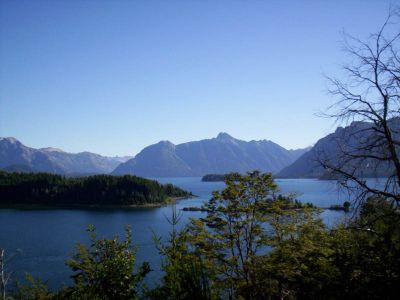
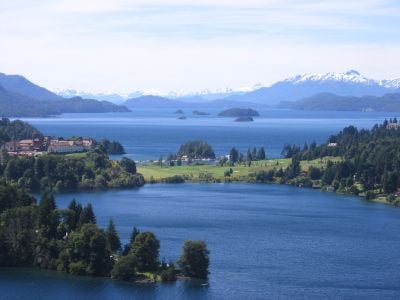
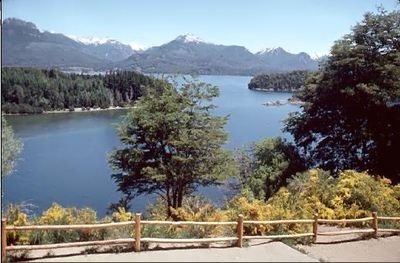
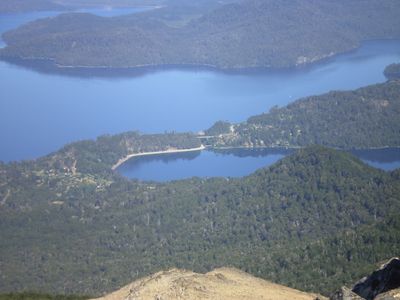
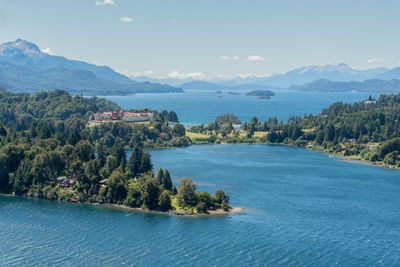
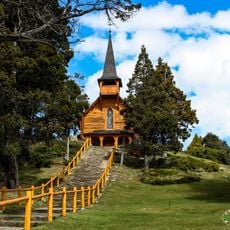
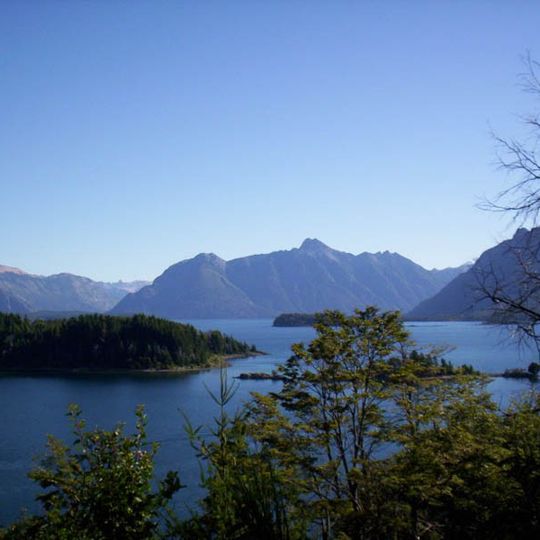
Nahuel Huapi stretches across 705,000 hectares along the Patagonian Andes, encompassing snow-capped peaks, deep lakes, dense forests, and extensive hiking trails between 720 and 3,574 meters elevation. The area protects different habitats, from temperate rainforests on the western shores to drier steppes in the east.
Explorer Francisco Moreno donated part of his land to the state in 1903, which became the first nature reserve in 1922 and finally the first national park of Argentina in 1934. This founding laid the groundwork for the present system of protected areas across the country.
The name comes from the Mapuche language, combining ‚nahuel' for puma and ‚huapi' for island. This designation recalls the indigenous past of Patagonia and refers to the big cats that once roamed the region.
Visitors reach the protected area through San Carlos de Bariloche, where accommodations and starting points for hiking, skiing, and water sports are located. Trails vary greatly in difficulty, so checking conditions beforehand and bringing weather-appropriate clothing is advisable.
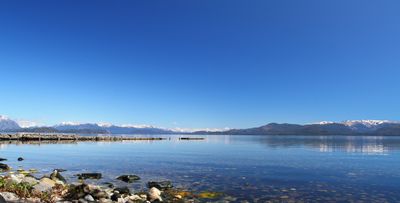
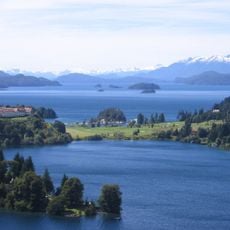
The lake of the same name reaches a depth of 454 meters and features several fjords that recall Scandinavian landscapes. In the higher elevations grows the arrayán, a rare tree with cinnamon-colored bark found only in this part of South America.
The community of curious travelers
AroundUs brings together thousands of curated places, local tips, and hidden gems, enriched daily by 60,000 contributors worldwide.