Vaca Muerta Formation, Geological formation in Neuquén Province, Argentina.
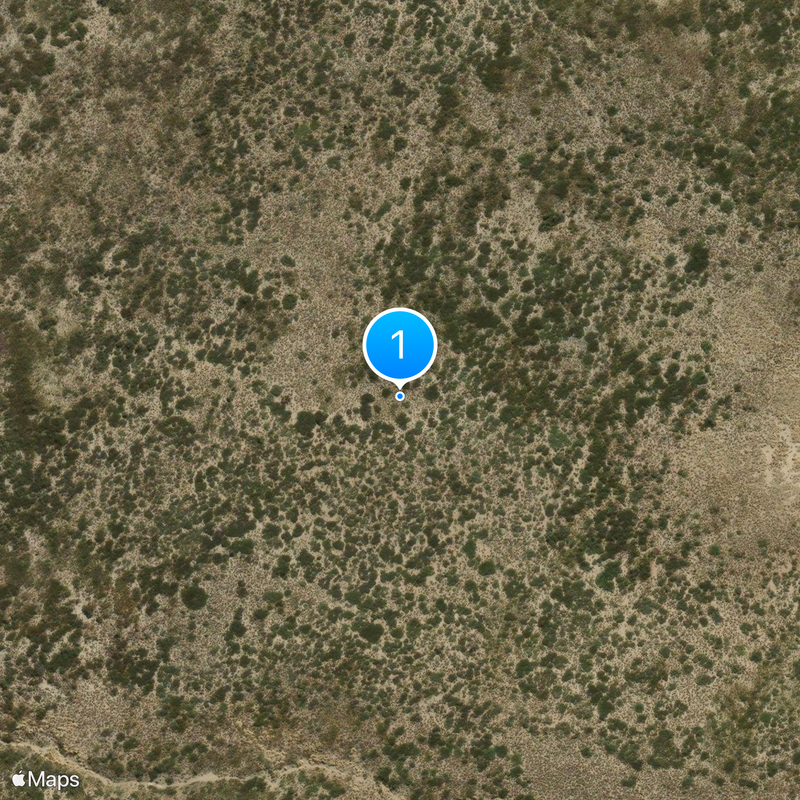
Vaca Muerta is a geological formation in Neuquén Province, northern Patagonia, spanning a vast underground area composed of marl, shale, and limestone layers. These deposits lie at great depth and record a seafloor that existed more than one hundred million years ago.
Charles E. Weaver first described this formation in geological literature in 1931, establishing the foundation for its scientific study. Decades later, deep drilling revealed significant hydrocarbon reserves, sparking economic interest in the region.
The formation's development has transformed the Neuquén region into an industrial center, attracting workers and companies from across Argentina and worldwide.
Access to certain sections requires permits and participation in guided tours, as much of the area falls within industrial zones. The city of Neuquén serves as a base for visitors interested in the geological features of the region.
The sediment layers contain numerous fossilized marine creatures from the late Jurassic and early Cretaceous periods, including ammonites and small marine reptiles. These fossils provide clues about a warm shallow sea that once covered much of present-day Patagonia.
The community of curious travelers
AroundUs brings together thousands of curated places, local tips, and hidden gems, enriched daily by 60,000 contributors worldwide.