Río Abiseo National Park, Natural and archaeological reserve in San Martín Region, Peru.
Río Abiseo National Park is a protected area in Peru's mountains spanning three distinct landscape zones, from wet forests in the valleys to high grasslands. The terrain ranges from forested lowlands up to elevations above 4,200 meters, creating home to thousands of plant species.
Created on 11 August 1983 by Supreme Decree No. 064-83-AG, the park was set up to conserve its natural environments and species, including the cloud forests of the Abiseo basin. UNESCO declared it a World Heritage Site in 1990, and in 2016 it became a core zone of the Gran Pajatén Biosphere Reserve.
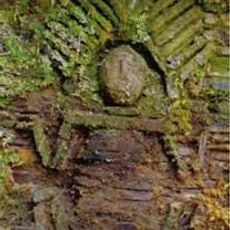
Archaeological ruins scattered throughout the park reveal how ancient peoples built settlements high in these mountains. The structures show the skills and knowledge of communities who adapted to life among steep slopes and dense forests.
Entry to this protected area is restricted and requires special authorization to preserve both the ecosystem and archaeological sites. Visitors need advance planning since the terrain is remote and challenging to reach.
The yellow-tailed woolly monkey, once believed extinct, was the main reason the area became a national park and a World Heritage Site in 1983. The white-fronted spider monkey also lives here but is not endemic; its range extends beyond the park.
The community of curious travelers
AroundUs brings together thousands of curated places, local tips, and hidden gems, enriched daily by 92,783 contributors worldwide.