Lago Colhué Huapí Formation, Geological formation in Chubut Province, Argentina
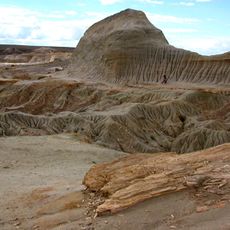
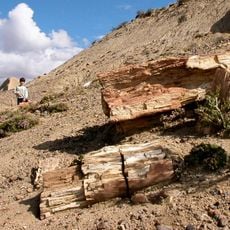
The Lago Colhué Huapí Formation is a geological layer in the Golfo San Jorge Basin in central Patagonia, composed of tuff and sandstone deposits. These rock layers hold abundant fossils from the late Cretaceous period.
The layer formed between 80 to 66 million years ago during the late Cretaceous period. It was created through gradual sedimentation in a shallow marine basin that once covered much of South America.
Scientists from multiple institutions conduct field research at the formation to study the evolution and distribution patterns of titanosaur dinosaurs in South America.
This location lies in the remote region of central Patagonia and is accessible mainly for specialized field research. Visitors should be prepared for extreme weather conditions and rugged terrain.
The fossils reveal a striking mix of plant-eating giants and an unnamed predatory dinosaur species sharing the same ecosystem. This combination offers clues about how different species coexisted millions of years ago.
The community of curious travelers
AroundUs brings together thousands of curated places, local tips, and hidden gems, enriched daily by 90,757 contributors worldwide.