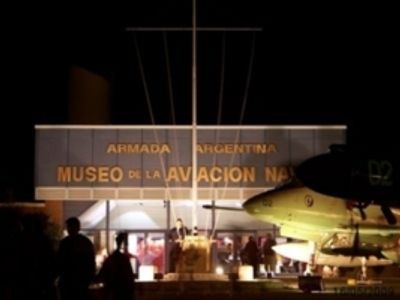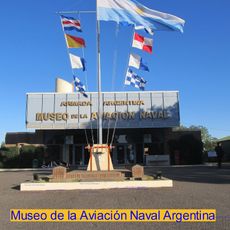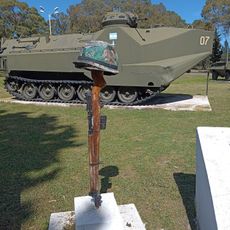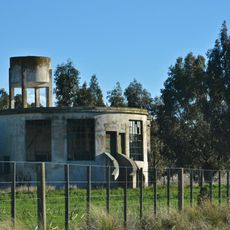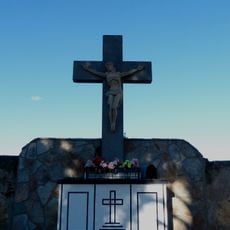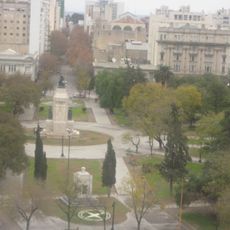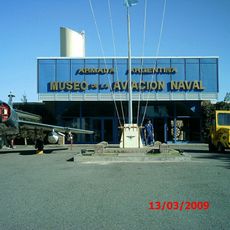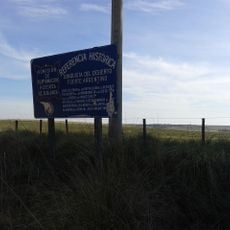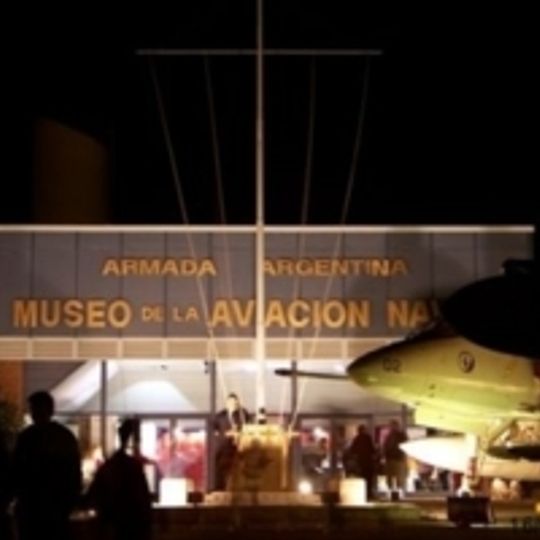
Naval Aviation Museum, Military museum in Grünbein, Argentina.
The Naval Aviation Museum in Grünbein holds aircraft from different eras of Argentine naval service, along with equipment, instruments, and documentation. The collection spans from single-engine trainers to larger military jets, offering a view of how aircraft evolved for maritime operations.
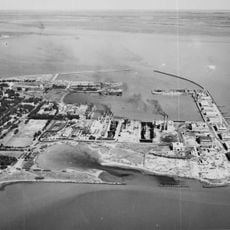
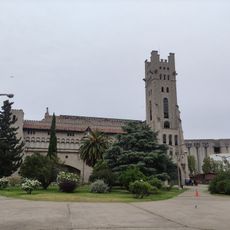
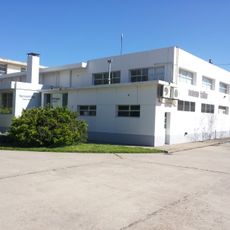
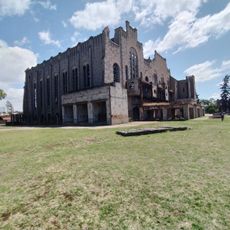
The museum opened in 1996 at the entrance of the Comandante Espora Naval Air Base. Its historic hall, named for Vice Admiral Hermes Quijada, occupies the base's former cinema and assembly hall, a 450 m² building. The technology hangar honours Joaquín Oytaben, the first naval aviation pilot killed on duty, on 16 October 1915, and is one of the navy's first hangars, built in 1926.
The museum reflects how naval aviation shaped Argentina's military history and national identity. The displayed aircraft tell stories about the country's relationship with air power and maritime defense.
The museum is located along a main road in a military area and has set visiting hours during weekdays. Weekend access may be more restricted, so planning ahead is helpful for longer visits.
The A-4Q Skyhawk 3-A-302, flown by Lieutenant Commander Marco Aurelio Benítez, took part in the sinking of the frigate HMS Antelope on 23 May 1982 and was the last A-4Q to fly. The SP-2H Neptune 2-P-112 contributed to the sinking of HMS Sheffield. The F9F-8T Cougar 3-A-151 broke the sound barrier on 30 March 1962 at Norfolk, a first for Argentine naval aviation.
The community of curious travelers
AroundUs brings together thousands of curated places, local tips, and hidden gems, enriched daily by 94,478 contributors worldwide.