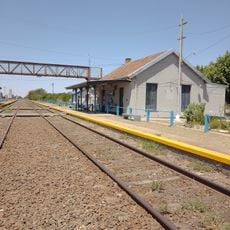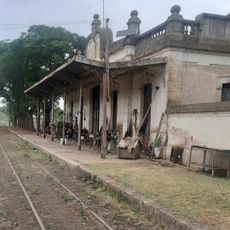
Alberti, Buenos Aires, human settlement
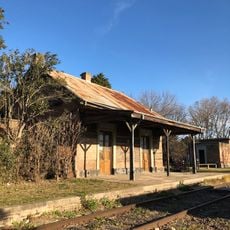
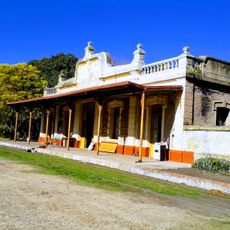
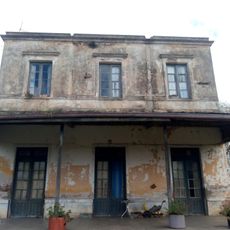
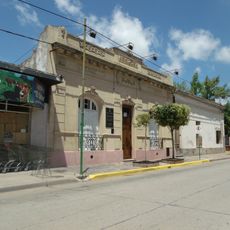
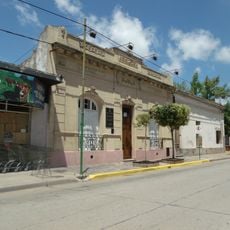
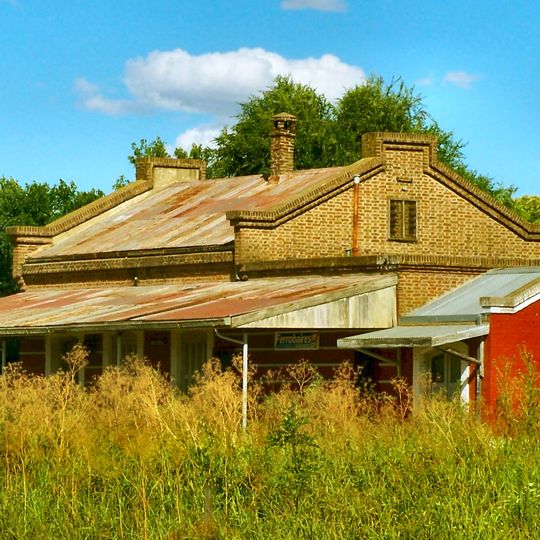
Alberti is a town in Buenos Aires province set in a region with a well-preserved past where families have lived for many generations. The streets are quiet with modest houses and small shops, while the flat countryside around it is marked by farmland and pastures that extend in all directions.
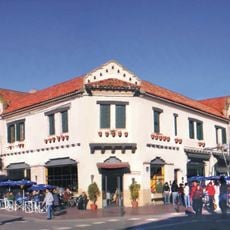
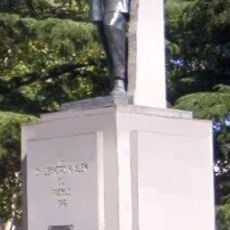
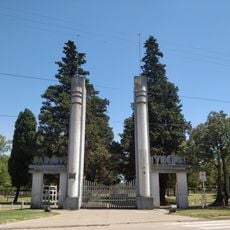
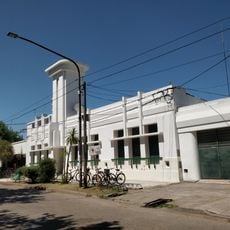
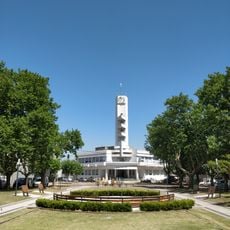
The town was founded in the late 1800s by Andrés Vaccarezza, who introduced Argentina's first steam-powered mill to the area. In the 1930s, the renowned designer Francisco Salamone left his mark with public buildings that brought a distinctive architectural style to the place.
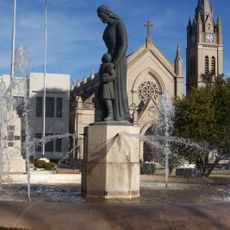
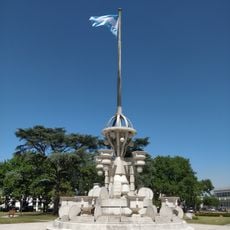
The town was named after Andrés Vaccarezza, its founder, who brought Argentina's first steam-powered mill to the area. The community preserves its identity through annual festivals featuring folk music and dances held in the main square, where visitors and residents participate in celebrations that reflect the spirit and history of the region.
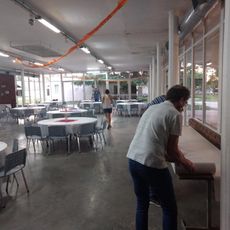
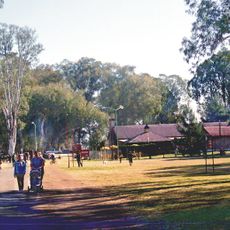
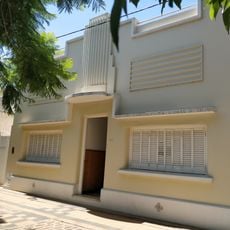
The town is easy to explore on foot, with small shops and open spaces to sit and watch daily life unfold. There are restaurants for traditional meals and a hotel for overnight stays, with the best experience coming from simply walking the quiet streets and discovering the architecture and friendly people.
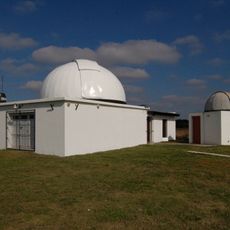
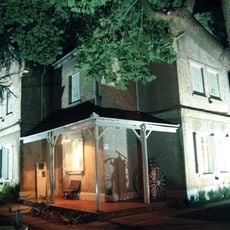
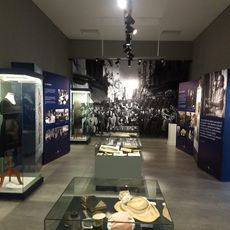
The Hotel Espana from 1906 lets visitors see old objects that tell stories from the past, including a special bottle of European cider. An ongoing project is also working to build a small observatory at a former school site where visitors can enjoy the shining stars on clear nights.
The community of curious travelers
AroundUs brings together thousands of curated places, local tips, and hidden gems, enriched daily by 60,000 contributors worldwide.