Jáuregui, human settlement in Argentina
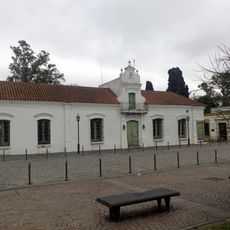
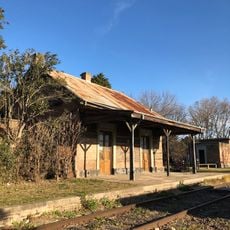
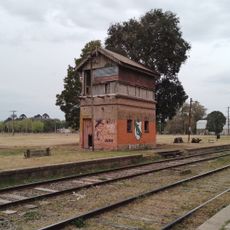
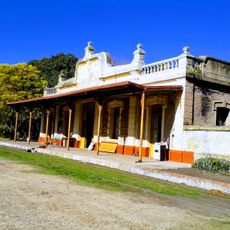
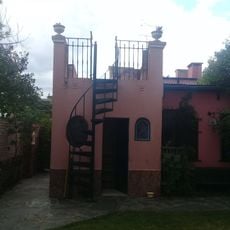
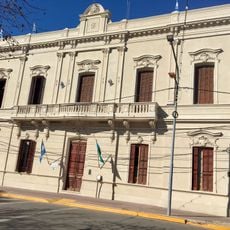
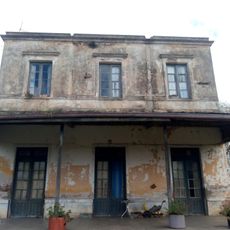
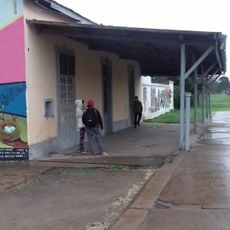
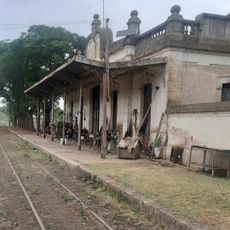
Jáuregui is a small village in Luján Partido, Buenos Aires, connected by a railway station and divided by the Luján river into northern and southern sections. The town features old houses, a preserved train station, and remnants of former factories with notable industrial architecture scattered throughout its quiet streets.
The village was founded in 1884 when José María Jáuregui built a mill and a railway connection brought the town into the region's network. In the 20th century, the Belgian textile factory Flandria transformed it into a thriving industrial center, until a military coup in 1976 forced its closure and prompted many residents to leave.
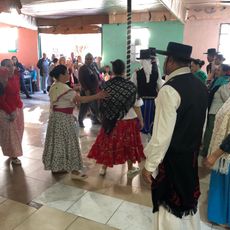
The place carries the names of two figures from its past: José María Jáuregui, a businessman who built a mill, and the Flandria factory, a Belgian-rooted textile company that shaped community life. Residents keep this history alive through local traditions and stories about the days when factories and plantations defined daily rhythms.
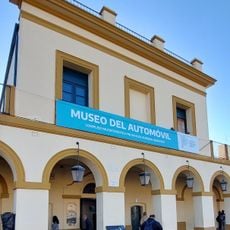
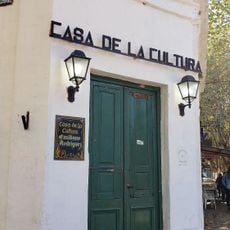
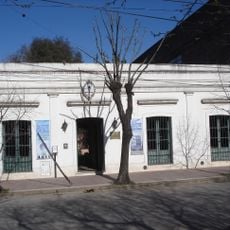
The village is accessible by train through a station serving routes between Moreno and Mercedes, and sits along a main road for easy arrival. A small museum housed in a former workers' dining hall displays old looms and textiles from the factory era, offering insight into the town's industrial past.
The town was once a major center for hemp and flax cultivation with a large factory operating until 1976, but this industry was halted due to government policies and remains a sensitive chapter in local history. Today some residents and community groups are working to document and potentially revive this agricultural and economic past.
The community of curious travelers
AroundUs brings together thousands of curated places, local tips, and hidden gems, enriched daily by 91,872 contributors worldwide.